


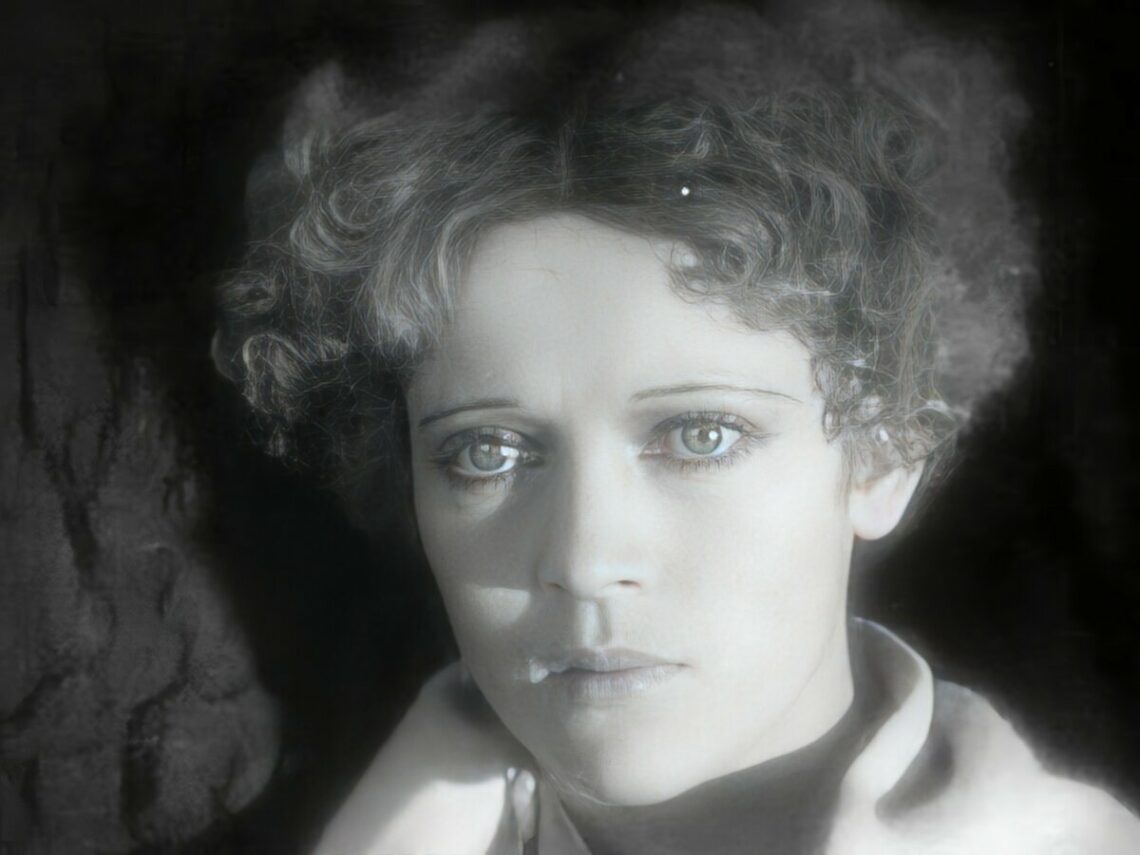
‘Autumn Mists’: Dimitri Kirsanoff’s poetic dream

The world of silent cinema is one that is far removed from ours now, especially due to the rapidly changing frameworks of the cinematic spectacle. Due to the superabundance of images and symbols in our technological society, it’s difficult to imagine what audiences experienced when film was still a nascent art form. However, it becomes easier to recapture that feeling when we revisit the works of pioneers like Dimitri Kirsanoff.
In an interview that was included in Paul Cronin’s compilation Herzog on Herzog, Werner Herzog explained one of the biggest crises in modern cinema. He said: “I have often spoken of what I call the inadequate imagery of today’s civilisation. I have the impression that the images that surround us today are worn out; they are abused and useless, and exhausted. They are limping and dragging themselves behind the rest of our cultural evolution.”
The filmmaker continued: “When I look at the postcards in tourist shops and the images and advertisements that surround us in magazines, or I turn on the television, or if I walk into a travel agency and see those huge posters with that same tedious image of the Grand Canyon on them, I truly feel there is something dangerous emerging here. The biggest danger, in my opinion, is television because, to a certain degree, it ruins our vision and makes us very sad and lonesome.”
Herzog’s comments become self-evident when we compare the images that currently surround us (and suffocate us) to the ones that have been relegated to the archives of silent cinema. Kirsanoff’s 1929 work Autumn Mists is the perfect example of this, presenting images of an external world and inner turmoil that are much more transparent than the opacity we are familiar with. Intended as a “cinematic poem”, it speaks in a visual language that is no longer compatible with modernity.
Often associated with the French Impressionist movement, Kirsanoff is mostly remembered for his more famous film Ménilmontant but Autumn Mists also deserves attention for the imagery that isn’t just adequate but overwhelming. In an attempt to capture the violent seasonal changes during autumn, Kirsanoff also managed to paint a compelling picture of the oscillation between sadness and hope that is fundamental to the human condition.
Devoid of a traditional plot, Autumn Mists compares the melancholy of a heartbroken lover (played by Kirsanoff’s then-wife Nadia Sibirskaïa) to images of a world that no longer exists. Dealing in metaphors and other poetic elements, Kirsanoff creates something that is hard to come by these days: a purely cinematic experience.
Watch the film below.
