


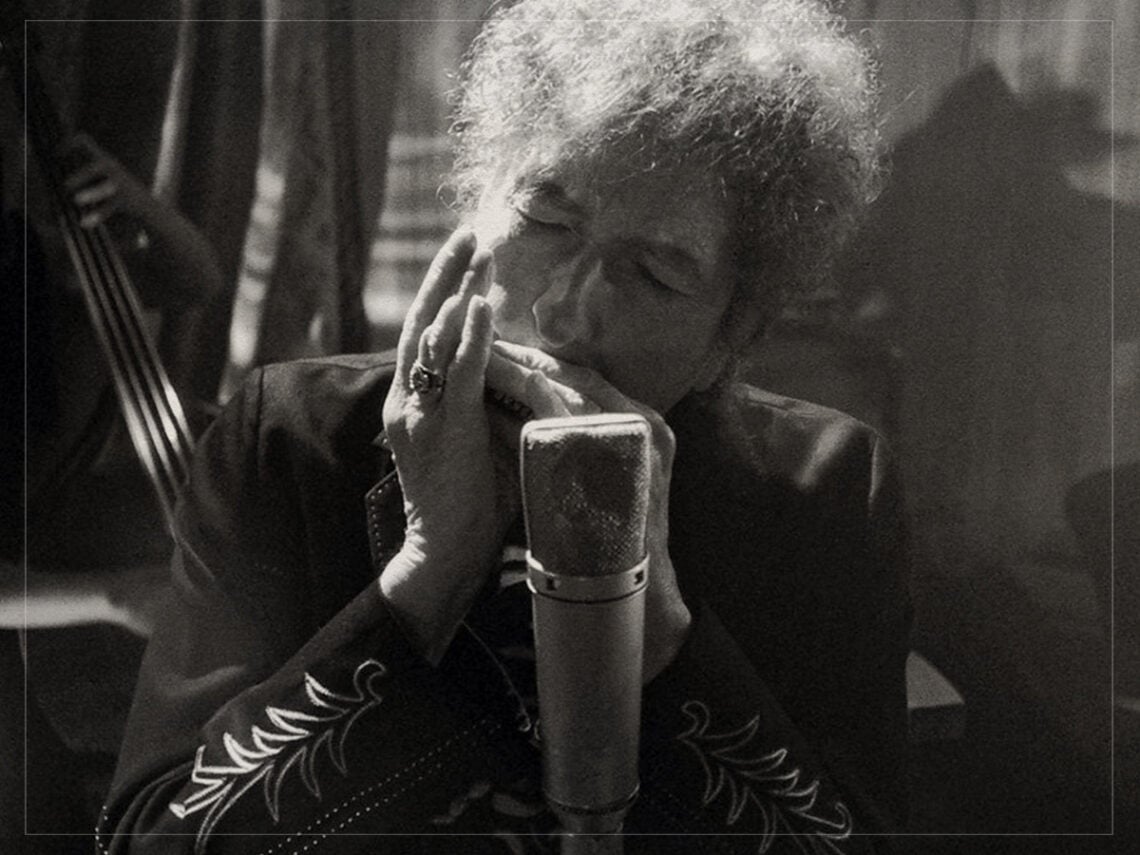
The artists Bob Dylan said were a musical “atom bomb”

Hearing Bob Dylan for the first time in the 1960s would have been a massive goddamn revelation for any music fan.
There had been folk music before, but listening to someone blend the rock and roll attitude with poignant lyrics about the state of the world was enough to captivate listeners for life. Although Dylan had a massive lineage of folk artists that he always went back to, he knew that he was telling a story that needed the energy of the heavyweights that he heard when he was first putting his tunes together.
Because while Dylan would forever be considered a folk rock icon, there was always going to be room for him to grow. He had always been a fan of rock and roll since he was in school, and when listening to Elvis Presley for the first time, it felt like the teenagers had finally found their collective voice.
In fact, let’s take a look at what the pop charts looked like before rock and roll swept everything away. While none of the songs by acts like Bing Crosby and Frank Sinatra are bad per se, it’s not like it was setting the world on fire or anything. This was simple background music that could be a pleasant way to pass the time after a long day at work, but when Chuck Berry kicked off ‘Johnny B Goode’, every kid realised that they were hearing music that belonged to them.
And as strange as it might sound, there was at least some link between the beginnings of rock and the kind of tradition that folk music was all about. Both genres were indebted to the blues in one form or another, and while Berry might not have been as clever a wordsmith as Woody Guthrie or Pete Seeger, his compact stories painted a picture of America that made a lot more sense to Dylan.
But that excitement wasn’t strictly to appeal to the teenage market. There was a different feeling in the air after World War II, and in between the kids having tune jamming to acts like Little Richard and Jerry Lee Lewis, you can hear that growing sense of paranoia as everyone wonders if anyone is going to drop a bomb on their houses at any moment.
It might not have been the most comfortable point in history, but Dylan felt that rock and roll needed that sense of urgency when he first heard it, saying, “The atom bomb fueled the entire world that came after it. I know it gave rise to the music we were playing. If you look at all these early performers, they were atom-bomb-fueled. Jerry Lee, Carl Perkins, Buddy Holly, Elvis, Gene Vincent, Eddie Cochran. They were fast and furious, their songs were all on the edge. Nobody was singing with that type of fire and destruction.”
While it doesn’t sound like much listening to it today, Dylan’s reaction to early rock and roll makes a lot more sense when listening to his own records. The minute that he went electric was always going to be a pivot point in rock history, but the sense of urgency in his voice feels like the ideal combination of Guthrie’s musical weight and the furious energy of Carl Perkins and Elvis Presley.
Dylan could have done without the ‘Voice of a Generation’ tag that came along with going electric, but it’s not like the boot doesn’t fit, either. He was doing for the 1960s what Presley had done for music in the 1950s, and he didn’t even need the dance moves and the show-stopping voice to get people to stand up and pay attention.

Never Miss A Tale
The Far Out Bob Dylan Newsletter
All the latest stories about Bob Dylan from the independent voice of culture.
Straight to your inbox.