


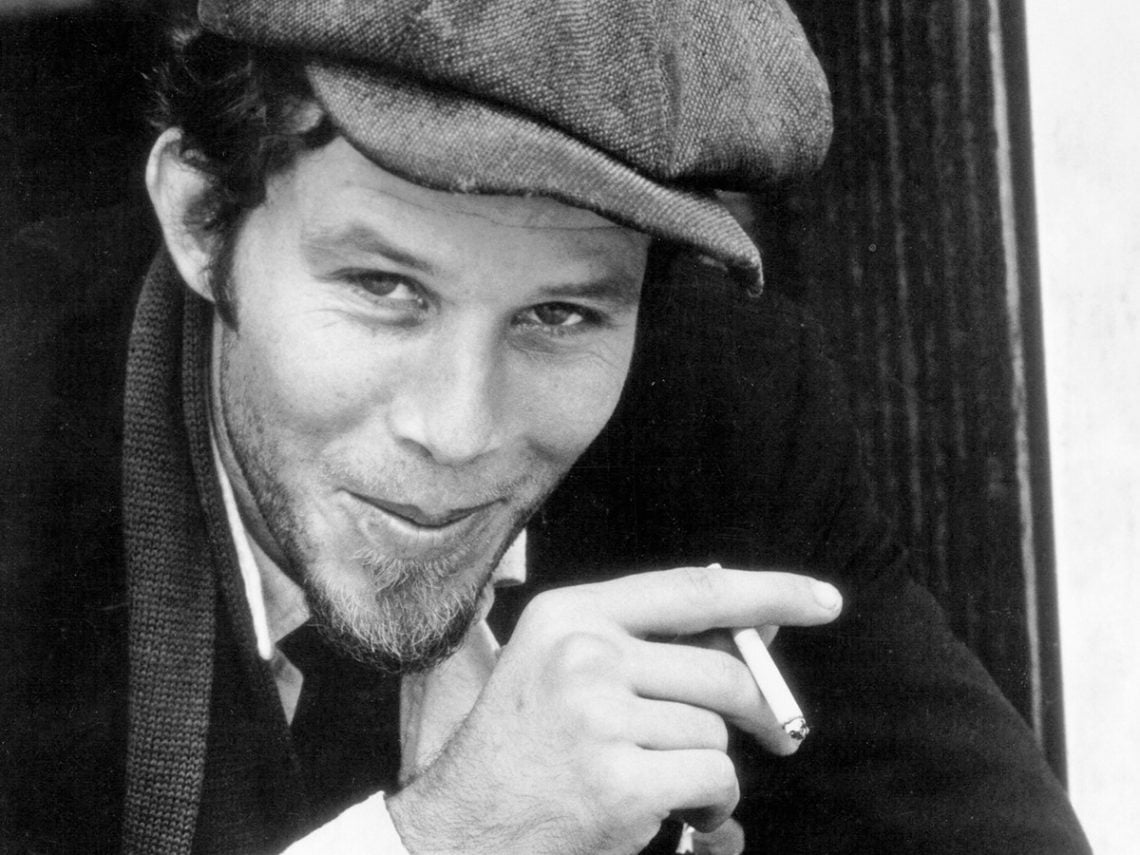
The overlooked artist who had a “strong influence” on The Beatles, The Rolling Stones and Bob Dylan, according to Tom Waits

Not everybody gets their fair dues in music. Tom Waits knows that more than most. There were times when he would serve as an opening act for the Mothers of Invention and get so much detritus hurled his way that he could stop the show and make a “fruit salad”. But by no means is that an indicator of the impact that the great man has had on the music industry—inspiring a slew of his peers and advancing the art form with poetic aplomb.
As Brian Eno once said, “I was talking to Lou Reed the other day, and he said that the first Velvet Underground record sold only 30,000 copies in its first five years. Yet, that was an enormously important record for so many people. I think everyone who bought one of those 30,000 copies started a band!” Needless to say, a great deal of influence comes through secondhand conduit.
According to Waits, one of the keenest purveyors of this was the often overlooked but never underappreciated Mose Allison. “I like Mose Allison, I think he’s a very economical songwriter with his – he’s so damn stylised that you can’t help but love him to death – he’s like honey poured all over you – I admire him a great deal,” Waits once told KPFK in 1974. It was clear to the ‘Grapefruit Moon’ singer even then that Allison was a pioneer for pushing individualism forward.
The American jazz pianist and songwriter even cut a unique figure when he first started to gain attention in New York City in the mid-1950s. He looked like a proto-hippie and Chanson Lothario hybrid. His words were full of wit, irony, and societal incision at a time when everyone else was just trying to convince the masses that they were larger-than-life rock stars. This was not only novel but vital for the vibrant sagacity that the forthcoming counterculture movement would look to uphold.
While the masses might not have widely noted this, the fact that everyone from Pete Townshend to The Clash and Bonnie Raitt have covered him, and even the Pixies have written songs in tribute proves that to his peers, he is readily revered. He’s been named a Jazz Master despite it being debatable that he even operates strictly in that genre; he was nominated for three Grammys, and you doubt he gave a damn about any of those accolades.
As his wife said of his passing aged 89 back in 2016, “I could tell that he was someone who generated his own joy.” Adding, in a manner that is perfectly aligned with the wit of his singular music, “Mose has always paid attention to what is happening in the world, and has always read voraciously both past and present histories.”
All of this charm and quirky spirit offered inspiration for the milieu of future performers who didn’t see themselves as quite as polished as Elvis Presley. This was particularly important in the UK prior to the British invasion, as Waits told Contemporary Keyboard in 1977, “I think Mose Allison has been a strong influence on more artists than you can name, The Beatles, The Stones, Dylan. When Mose played Ronnie Scott’s club in London in the mid-60s, it was a real event.”
That event reverberated through pop culture, enshrining what lay ahead with a smattering of cursive charisma, style, and confidence to say things about the state of the world in music that could otherwise be considered pop. In many ways, he’s the ultimate musician’s musician, backed as an “idol” by Waits, who, in all likelihood, sits second on that very same podium.
