


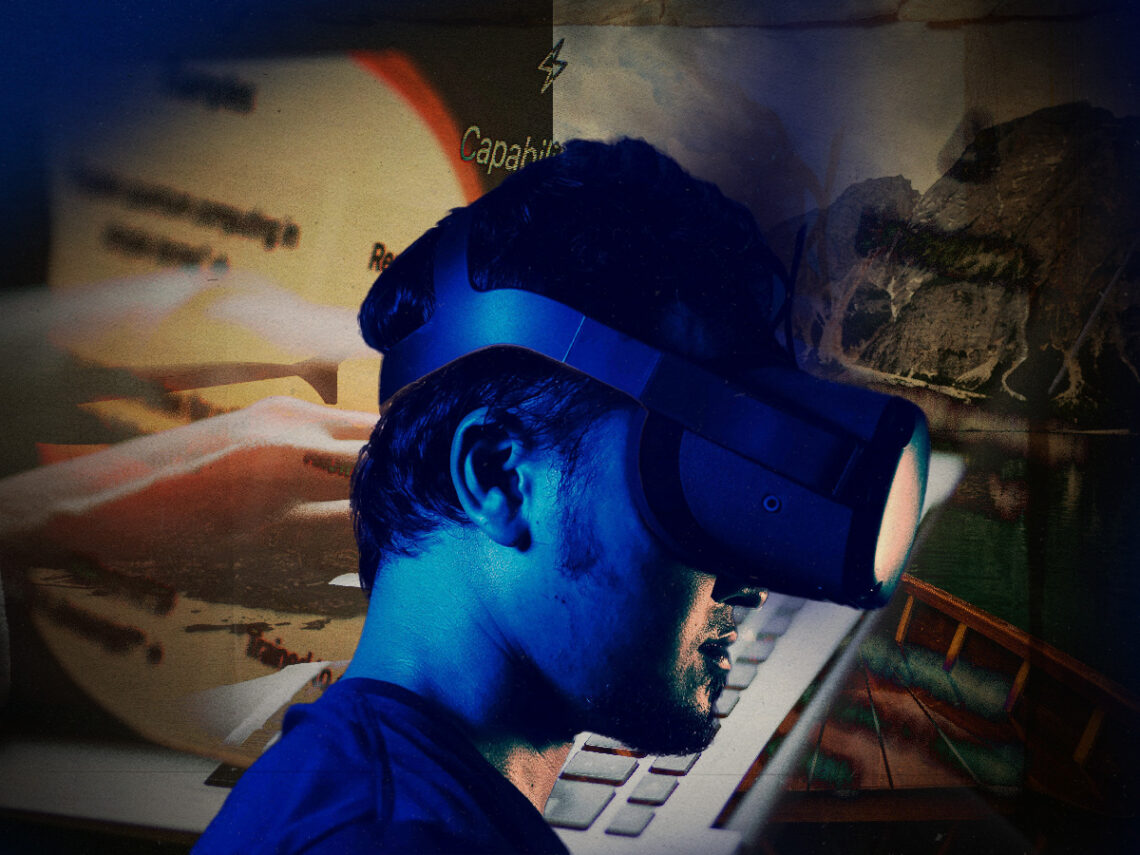
Are we on the despairing brink of ‘virtual vacations’?

The AI-ification of everyday life is upon us, and it’s creeping into every area of life, wherein the internet is full of AI slop, social media is just AI bots arguing with each other, and you can even buy toothbrushes that are allegedly powered by AI.
As somebody who works in a creative field, I’m deeply sceptical about its proliferation and hate how it’s being used to create ‘art’, and since my work also crosses over into the travel industry, I’m not entirely sure how much it can benefit exploration and adventure. However, even an analogue man can admit that AI does have some uses, and I’ll be the first to admit that when I’m visiting a new destination that I ask ChatGPT for a brief summary of the history of the area, or to recommend some food spots to grab a bite.
Sadly, it looks like we are on the brink of something incredibly depressing with AI, alongside augmented reality technology, ushering in a new era of soul-destroying, fake travel with potential holiday-makers enjoying a vacation from the comfort of their own sofa.
The idea of taking somebody with you into a new environment has long been a part of travel media, with the best travel literature helping you feel the energy of the area, painting a picture that allows you to see and smell everything. Travel documentaries have done similarly, and the explosion of YouTube has since allowed every destination and niche travel interest to become accessible to the world.
From my own personal experience, both as a consumer of travel content on TikTok, to the videos I’ve produced for my YouTube channel, I know the importance of feeling like you’re walking those streets, going off-piste and exploring the nooks and crannies when you stumble over them. Now, thanks to AI, this is being ramped up a notch, with virtual-tourism a rising figure in the industry.
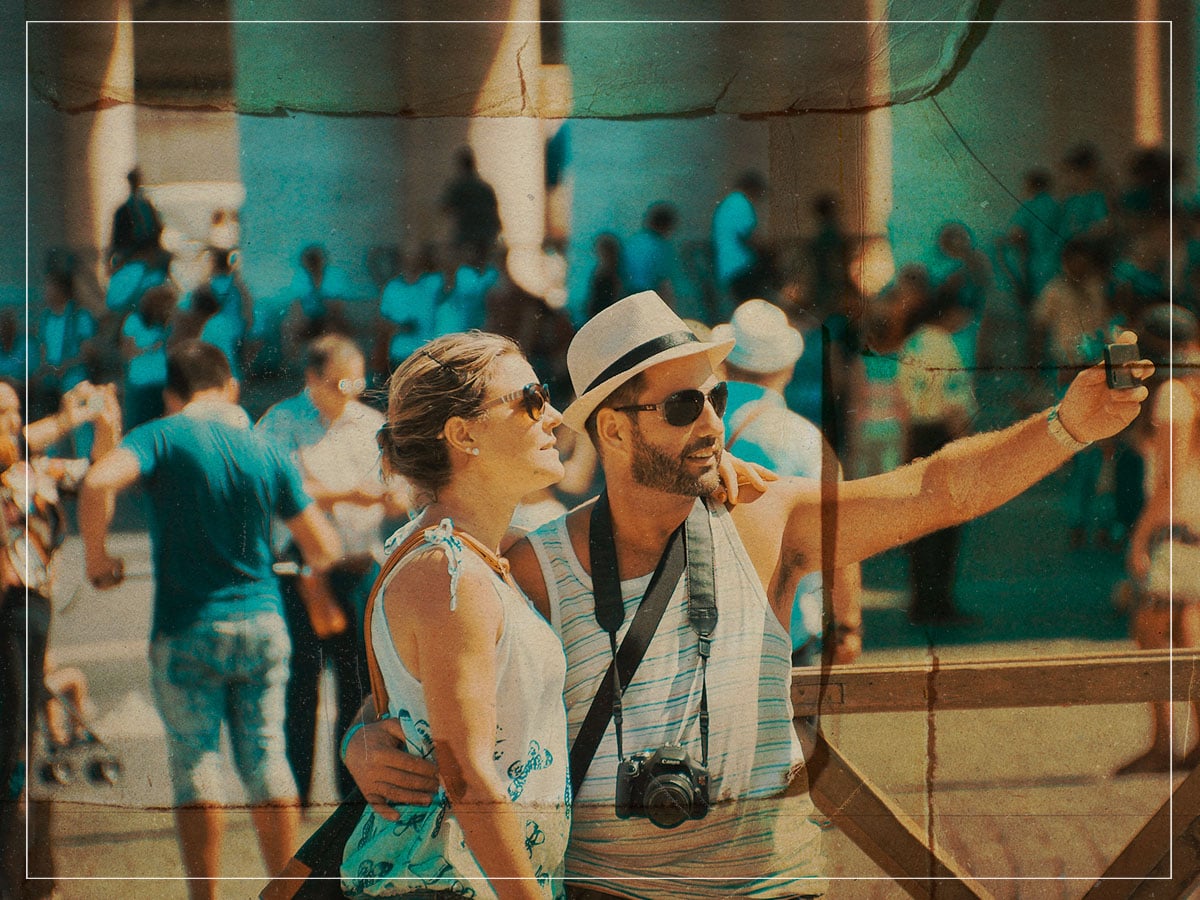
We’ve seen Abu Dhabi advertise visiting the petro-state of UAE via an immersive experience at the Outernet building, the huge multi-screened, digital experience space that sits just outside one of the entrances to the Tottenham Court tube station, and this isn’t just marketing but a way for you to see the Sheikh Zayed Grand Mosque without the need for travel, eyeballing those beautiful white and gold domes without having to ask questions around how the staff in the hotel you’re staying at are paid and treated.
Ethical questions abound this technology, such as its potential benefits for local people and businesses, or whether the money is just going to be hoovered up by tech companies and multi-national businesses rather than helping the people that truly make these locations so special.
These questions can bend both ways, with proponents of the technology certain to echo statements about sustainability and the positive impact that fewer flights would have on the climate, and while both might be true, it feels like a convenient marketing coincidence than a pre-determined reason to develop this technology.
There’s an argument that this is the same as watching your favourite YouTuber explore the cyber-city of Chongqing or walk through the souks of Tunis, but there’s a stark difference; in those videos, you get a true sense of the area and they tell the history of a city, the moments that define how it looks today, rather than a shiny, clean, PR-friendly mirage of how they want to appear.
Where a Parisian guide will still tell you about the smell of baked bread permeating a certain street, or you can understand how claustrophobic it feels navigating the Shibuya crossing, virtual vacations lack this essential human connection, outlining travel without everything that makes it so vital and such a huge part of the human experience.
Random interactions, such as chats over bottled beers in far-away bars, conversations with old Chinese uncles wanting to take a photo with you, or kickabouts with kids on the street, despite not sharing a language, are what make travel memorable, and without human connection, the whole endeavour is worthless, and we should resist virtual vacations at all costs.
