


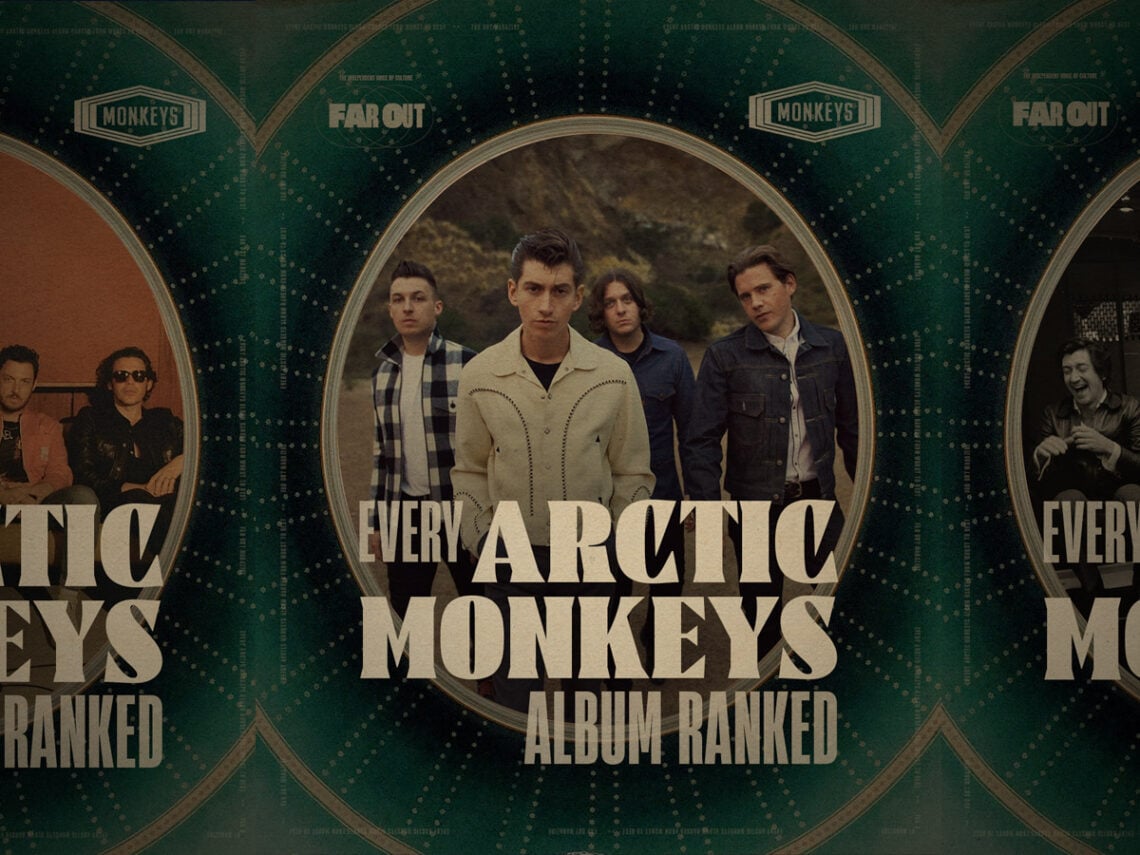
Every Arctic Monkeys album ranked

If you look back over the 21st century so far, it’s hard to regard anyone as being a bigger, and arguably, better band than Arctic Monkeys.
The Sheffield-born band have transcended their kebab shop origins and are now a Michelin-starred band capable of filling stadiums and festival sites wherever they go. From headlining Glastonbury a hat-trick of times to remaining one of the most perennially listened to bands on streaming, no matter how long ago their latest release was, if there was one band to have dominated the century in rock ‘n’ roll so far, it has to be Arctic Monkeys.
Alex Turner, Jamie Cook, Matt Helders and Nick O’Malley have asserted themselves as rock music’s last hope of mingling with the mainstream. Over seven albums, they have proven that they’re robust enough to remain popular no matter what their latest twist entails. Like all great bands, they have evolved and matured, too.
As the band declared in their not so covert mantra on way back at the very beginning, a mantra that they have never wavered from since, in the wry track ‘Who the Fuck are Arctic Monkeys’ with the lines: “But we’ll stick to the guns / Don’t care if it’s marketing suicide / We won’t crack or compromise / Your derisory divides / Will never unhinge us”.
However, the unflinching bravery to face ‘marketing suicide’ head on was a serious concern for those close to the group after they unleashed their uproarious, unprecedented debut, Whatever People Say I Am That’s What I’m Not. The LP was so intensely built out of the tangible world around them that many worried that once their world changed, their music would suffer. Instead, the band have only ever propelled themselves forward both musically and commercially, something they once again delivered with The Car.
Since that LP landed and a shockwave ran through Britain, the band have slowly begun to globalise. For a few months, the group remained one of Britain’s own, a point of pride and an attainable way to get inside the psyche of modern Britain, but as the hype grew, Arctic Monkeys made good on its promise and delivered countless songs, albums and performances which cemented their place at the top of the music world’s rock pile.
Simply put, there’s no other band in the world that could score a number one album with a record about a retirement home for rock stars on the moon. Especially considering that sonically, that same album incorporated the first true marriage of Soviet lounge music and indie rock.
If somehow you’ve remained under a rock of a more mineral variety since he band rose to their dominant precipice in 2006, and you aren’t sure where to start with the group, then below we’ve got you covered. We’ve ranked the band’s studio albums in order of greatness to give you the perfect place to begin your fascination with the band.
Ranking every Arctic Monkeys album:
‘The Car’ (2022)

There are many moments in the Arctic Monkeys’ back catalogue where it would seem like they have creatively run the gauntlet. Whether it is using the concept of an interplanetary leisure resort or the simple rejection of their amphetamine-rock roots. The same murmurs seeped into the music world when the first notes of their latest record, 2022’s The Car, hit the airwaves.
The track, ‘There’d Better Be A Mirrorball,’ suggested the band were progressing their sound again. As ‘Body Paint’ landed and the references to The Beatles’ absurd orchestral elegance seemed to abound, the realisation that Alex Turner and co had once again created an album capable of becoming a timeless masterpiece abounded.
Though it may be the first LP from the band to fail to reach number one – we have Taylor Swift, and her legion of fans to thank for that – its chorus-less charm, intelligent delivery, and complete control of sonic divinity ensure that despite being in last place, the band are clearly yet to make a record that is anything short of satisfying.
It’s notable that detractions from this offering are all relative to the rest of their output, while its widely accepted that if another band managed this mystically original sound, it would certainly been hailed as a progressive breakthrough in alternative music. However, it is also the one that ardent fans and casual listeners alike return to the least.
‘Suck It and See’ (2011)
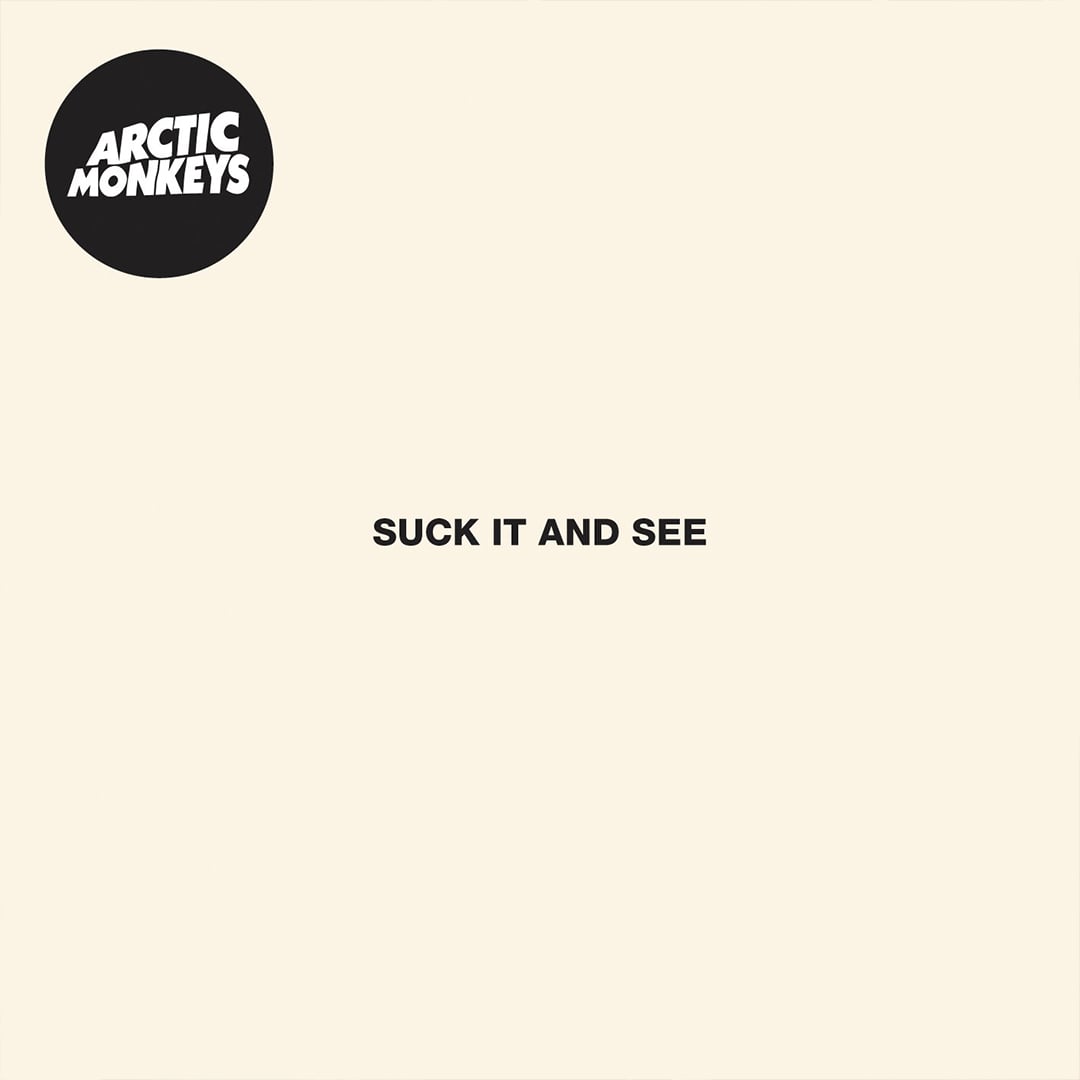
Released in 2011, it wouldn’t be too far out of place to suggest that this album is one of the only makeweights in the band’s canon. The album was, in comparison to the rest of their catalogue, a little confused trying to straddle the duality of “poppy” hits and “vintage” stylings, never truly achieving both.
The band were trying to move away from the darkened sounds of Humbug as they were keen to break out of the pigeonhole they had created. While the album certainly does that, using the band’s new technique of rehearsing and changing songs as they went, it never really delivers on the pop bangers we were promised.
When looking through the album, it’s hard to pick out many tracks that would make a top 20 list of the band’s best. For that reason alone, we’ve every right to make this our least favourite AM album. While songs like ‘Brick By Brick’ may sneak into your top 20, it’s the only one that really comes close.
‘Favourite Worst Nightmare’ (2007)
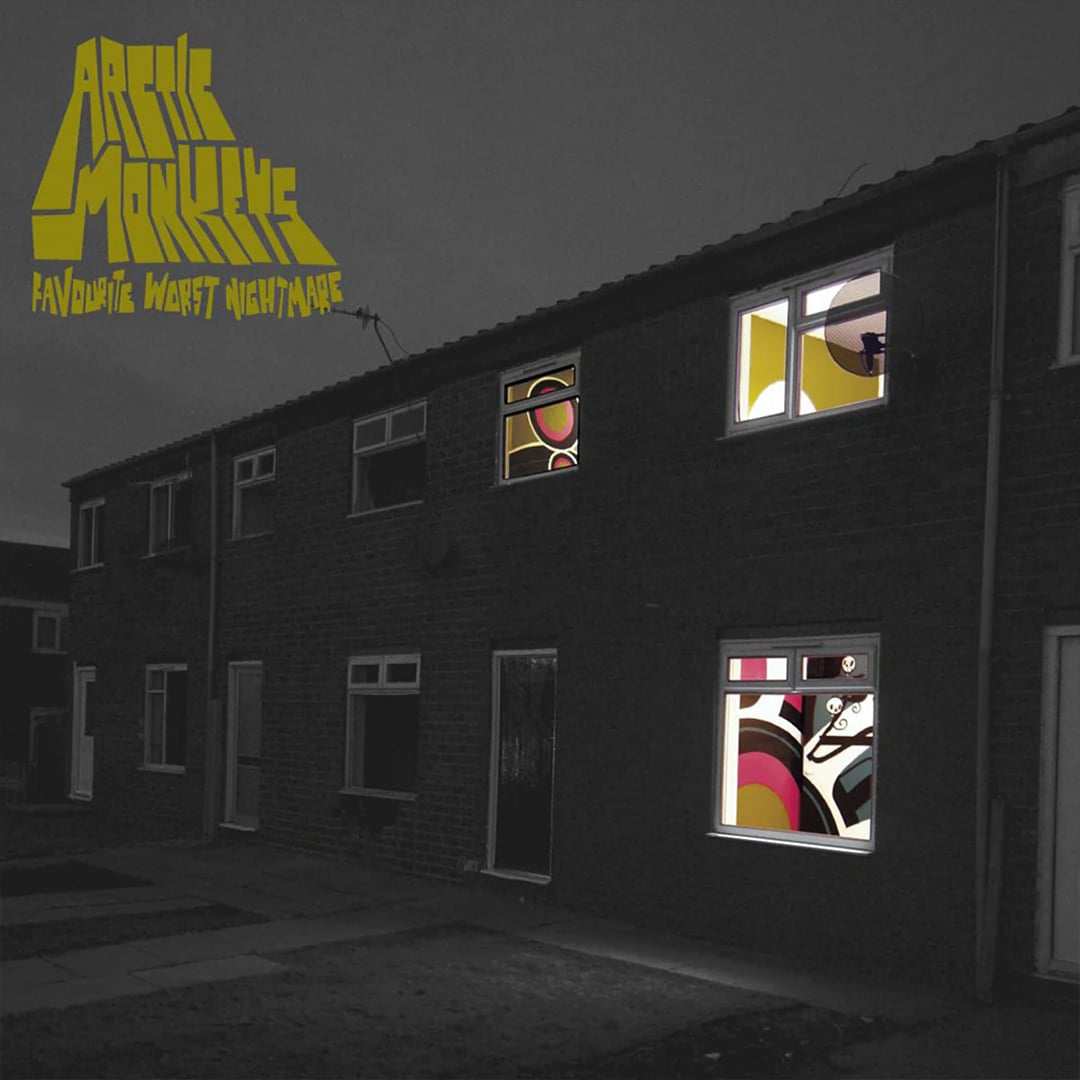
The dreaded ‘second album syndrome’ threatened to derail the Arctic Monkeys. Having had such a landmark debut record, the pressure had increased tenfold by the time they came to record the follow-up, Favourite Worst Nightmare. But, as they would prove time and time again, the Arctic Monkeys were more than capable of handling any pressure that was thrown at them.
The first album to feature Nick O’Malley on bass, having replaced the previous bassist, Andy Nicholson who departed the band before they toured North America in support of the debut. With O’Malley’s introduction, the sound dramatically changed, and their previous razor-sharp buzzsaw sound got heavier and much, much louder.
Big hits from the record like ‘Brianstorm’, ‘Teddy Picker’ and ‘Fluorescent Adolescent’ suggested the band had lost none of their zip and other notable songs like ‘505’ and ‘Only Ones Who Know’ showcase a band on the move. That’s the most impressive thing about this record, it provides a paint-by-numbers kit for making the perfect sophomore album — keeping enough of the old style to show a transition but providing enough change to promote evolution.
‘AM’ (2013)
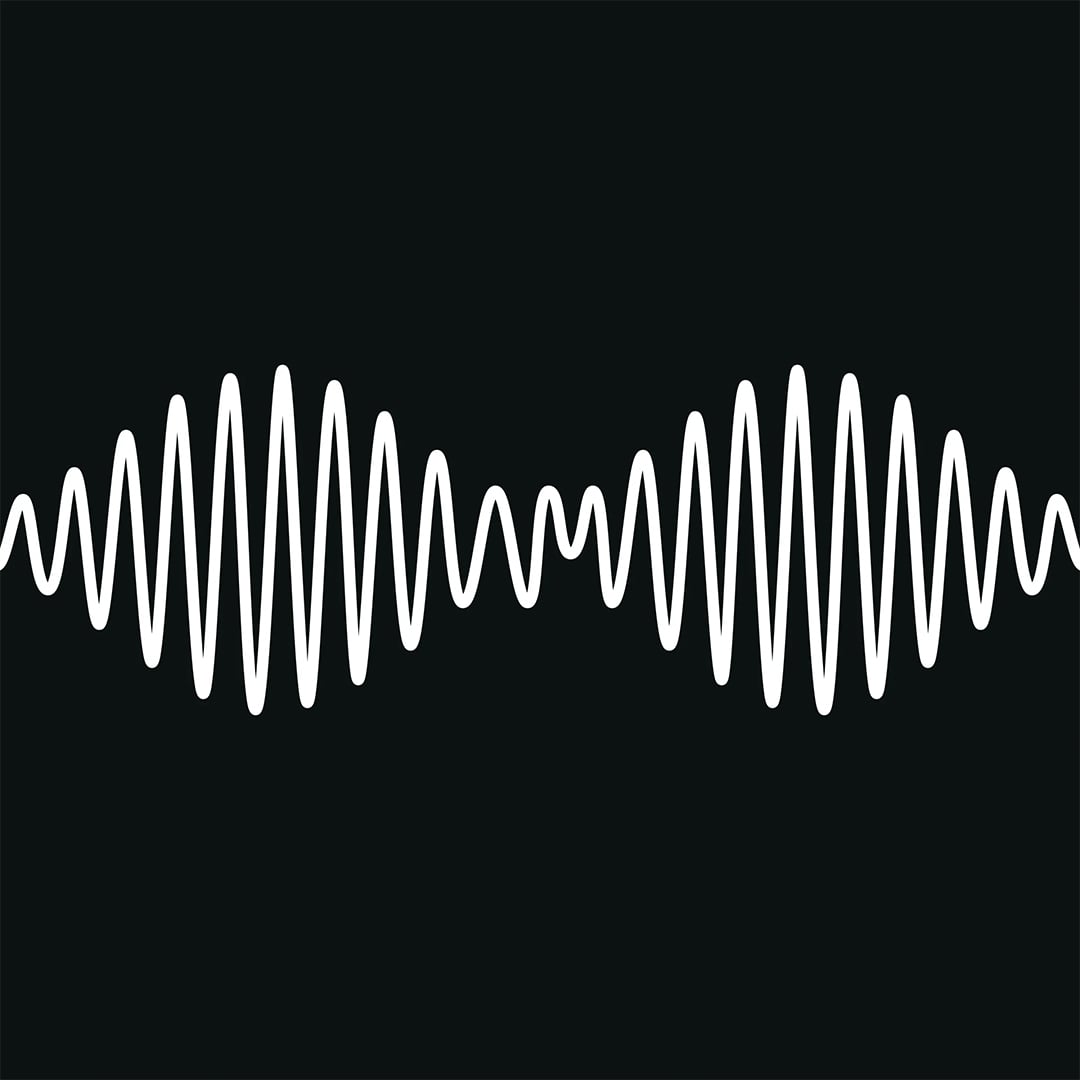
Sharpen your pitchforks! We’re expecting a bit of a furore around this one. For many people who haven’t been with the band from the start of their journey, it’s quite likely that AM was the introductory Arctic Monkeys album. It is so chock-full of notable songs that it feels a bit of a crime to leave it so lowly on the list.
Though the record is undoubtedly the perfect album for your favourite Netflix dark comedy, it feels a touch contrived in the scope of the band’s albums. It feels like a deliberate attempt for the band to become a commercial powerhouse, with songs like ‘Why Do You Only Call Me When You’re High?’, ‘R U Mine’, ‘Arabella’ and ‘Do I Wanna Know’ were mainstays of college radio.
Topping the charts in countries across the globe, the LP is one of the band’s most successful. Influenced by some of rock’s biggest names, including Josh Homme, who helped with production, David Bowie, whose Ziggy album was the only one they played in the studio, and a host of acts Turner cited as an influence (including Outkast, Black Sabbath and more), the album certainly has the credentials to be the best. The only reason it falls down is that the record was so purposefully created to do so.
‘Humbug’ (2009)
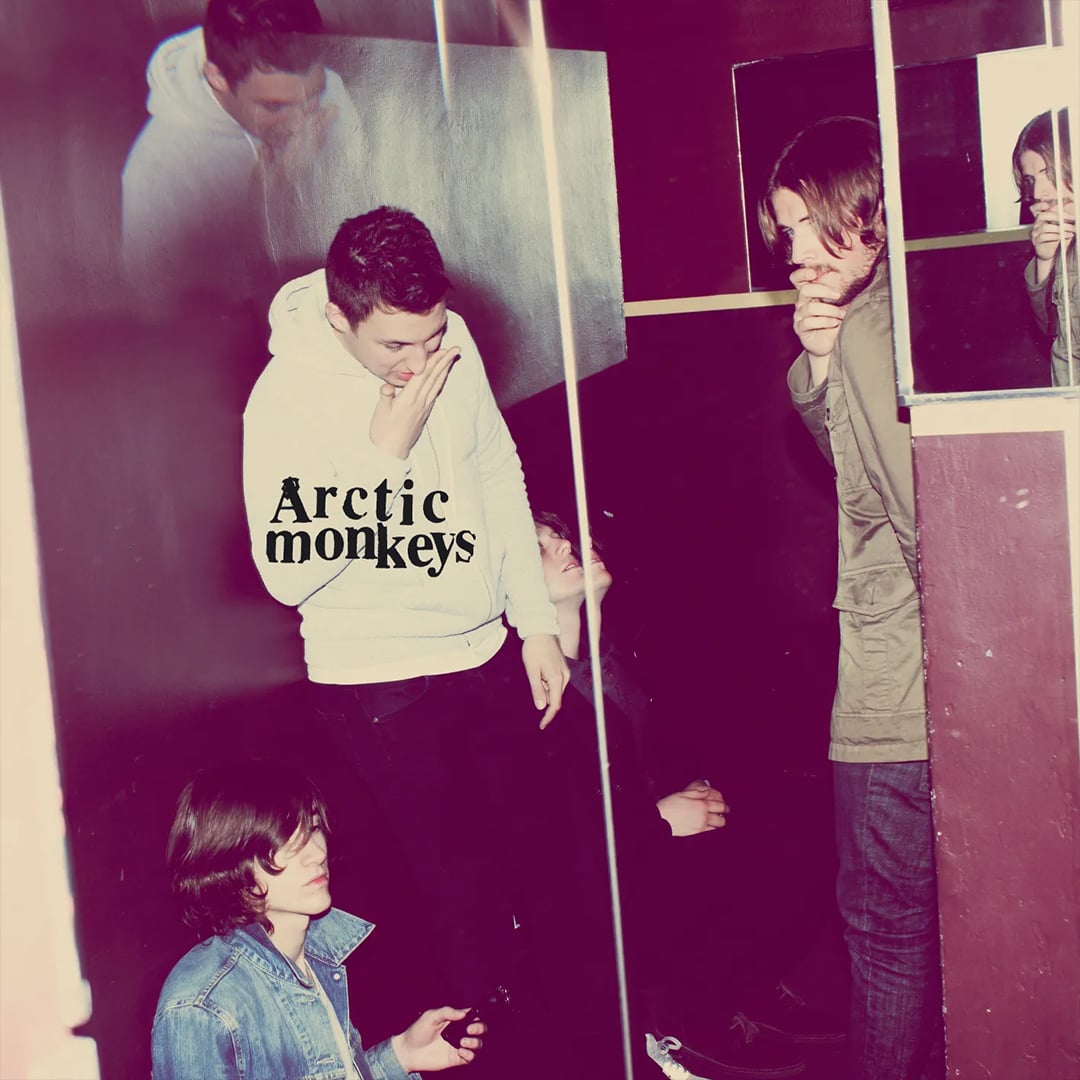
By 2009, the Arctic Monkeys were already the biggest band on the planet. Two albums had confirmed they weren’t one-hit wonders, and the next record was set to be another moment from which the group could excel. Perhaps as a way of kicking out against the huge praise that they were receiving, the band turned their back on their former style.
Humbug is regarded as the band’s heaviest album, and they don’t pull any punches on the record. It was a sonic exploration aided in no small part by Queens of the Stone Age lead singer Josh Homme. The acclaimed rocker helped the band to write the songs on the record, and his influence can be felt in the distorted guitars and vibrations one feels in their chest when listening to the LP.
‘Crying Lightning’ may be the most notable song on the LP, but the Japanese release also came equipped with one of the band’s best covers, as they share a version of Nick Cave’s classic ‘Red Right Hand’. The album works as the perfect refresher if listening to the canon from front to back and suggests that while the group were being championed as teen idols, their intent was far more twisted and tortured.
‘Tranquility Base Hotel & Casino’ (2018)
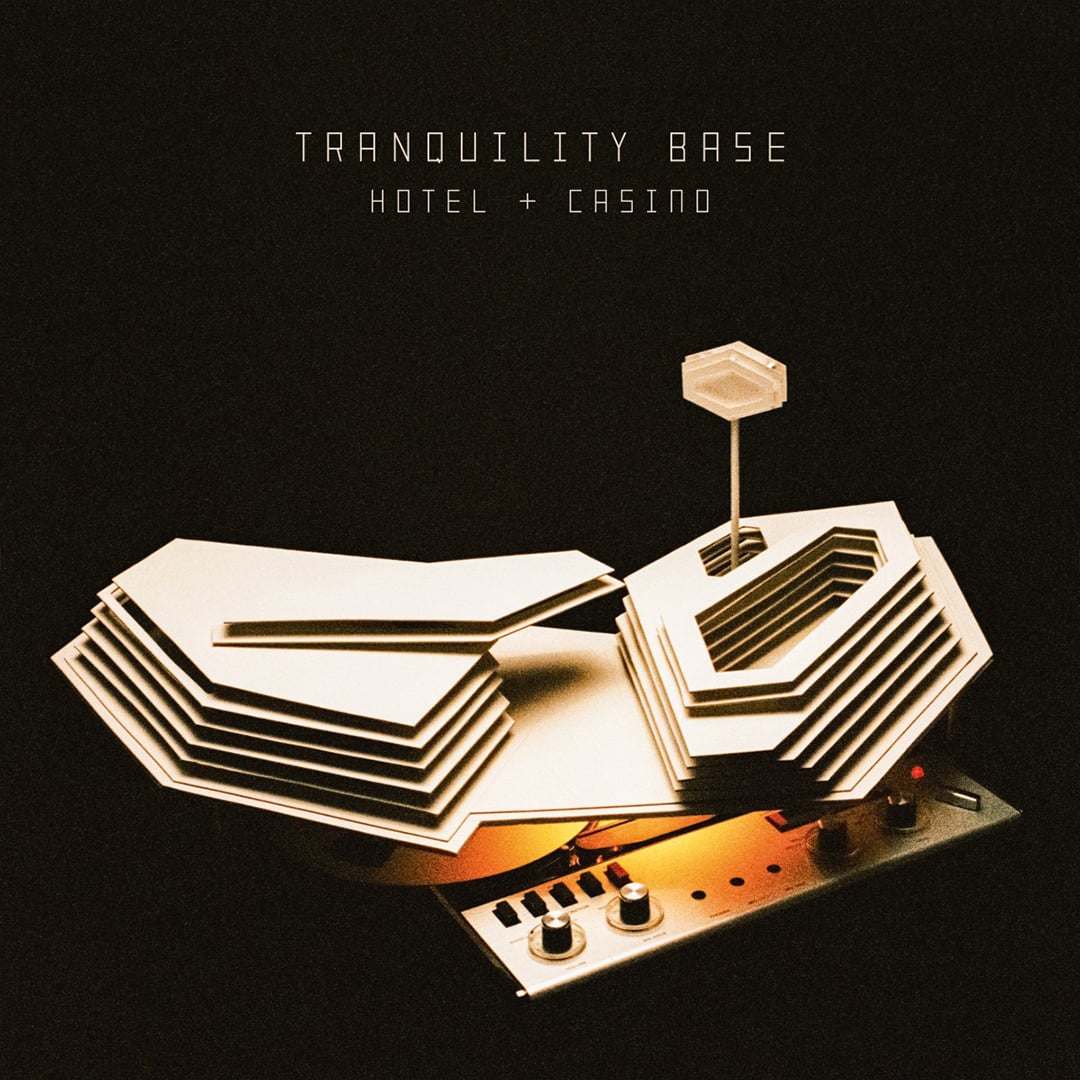
One of the more recent LPs from the Arctic Monkeys very nearly took the top spot as their best. It’s a decision which we’re sure will divide fans as quickly as when Alex Turner confirmed that most of this album, unlike the rest of their catalogue, was written primarily on a piano. Whether it was because rock’s last great hope had turned to a piano or just a reaction to the change of musical pace, but the album had a habit of upsetting the group’s diehard fans.
If you were such a fan and the change of musical direction came as an unwelcome shock to you, then you really should have been paying more attention. Throughout their entire career, the group have always moved at their own pace and with their own style, it seems fitting that after five years without an LP, their next would be a huge statement.
A concept album of sorts (though arguably not the band’s first), Tranquillity Base Hotel & Casino draws heavily from science fiction and film and explores themes of consumerism, politics and religion through the idea of a luxury resort on the moon. With this instruction, we are offered a view of a band that had irrevocably changed and not just Alex Turner’s vocals.
It was clear from this record that the Arctic Monkeys were far removed from the snivelling brats we all fell in love with. They were not only men but also musical icons, and, on this LP, it really shows.
‘Whatever People Say I Am That’s What I’m Not’ (2006)
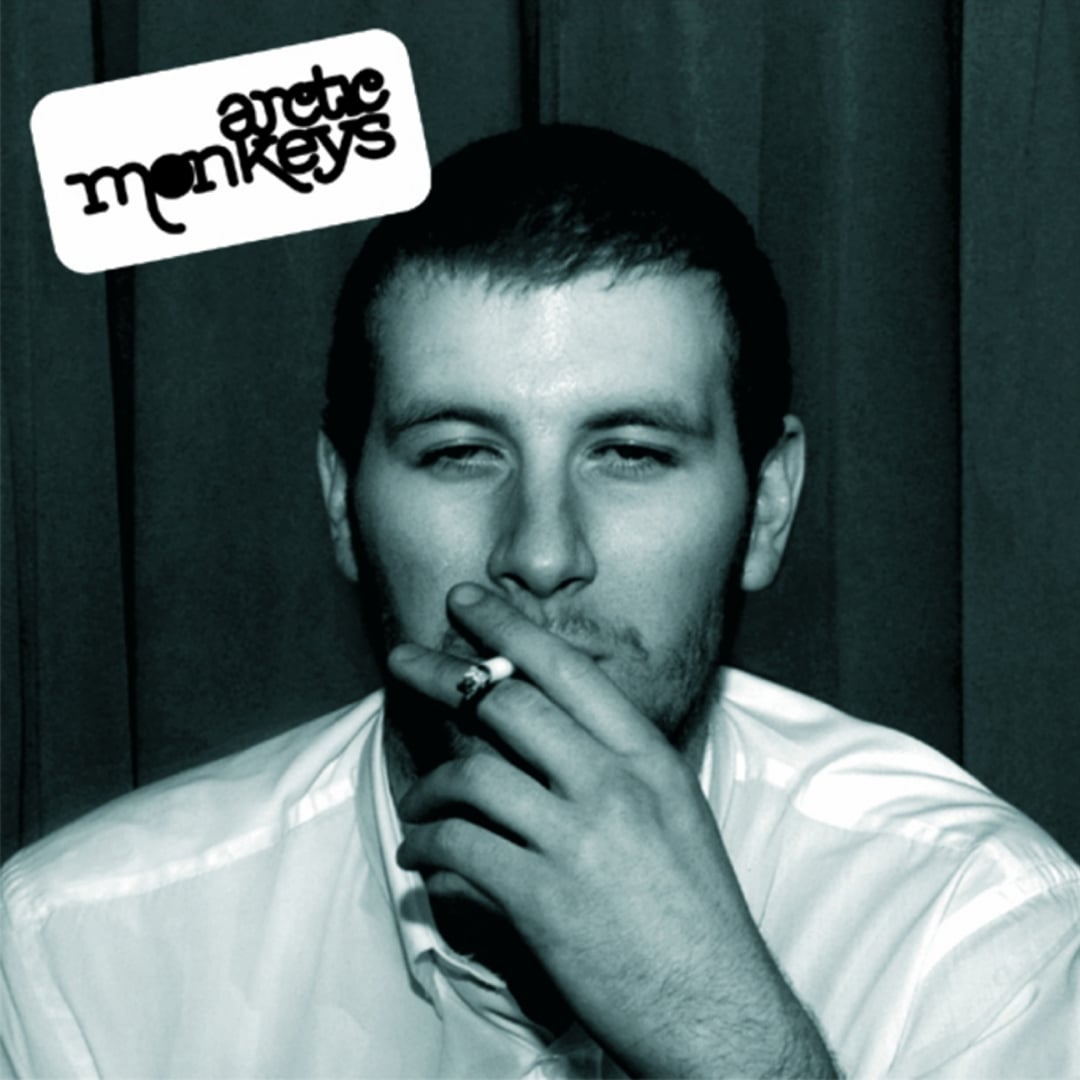
Here we are, where it all began. The Arctic Monkeys’ debut album is right up there in contention for the title of ‘best debut LP of all time‘, and it rightly takes the top spot of their own canon, filled to the brim, front to back, with brilliant songs. The album remains, to this day, as one of the last truly great rock and roll records and rightly takes its place in the pantheon of British music history.
The album was a hive of buzzing intent and frenetic energy when it roared onto our turntables in 2006, marking the beginning of the most important artist of recent years, Arctic Monkeys. The Sheffield band, just young upstarts at the time, already had a number one song under their belts with ‘I Bet You Look Good On The Dancefloor’, and despite protestations from their lead singer, Alex Turner, many people had already begun to believe the hype.
Whatever People Say I Am That’s What I’m Not would go on to win the Mercury Music prize in 2006, the LP’s concept album status growing by the minute. The record would encapsulate the crystalline feeling of stupid youth and see the band launch into the stratosphere, the likes of which nobody had seen since the glory days of Britpop. The difference was that AM’s contribution had been a level above the rest.
Arctic Monkeys not only delivered a guitar album capable of pulling everyone onto the dancefloor, but they did it without artistic compromise, changing the culture of Britain as they went. It lives on. It always will.
