


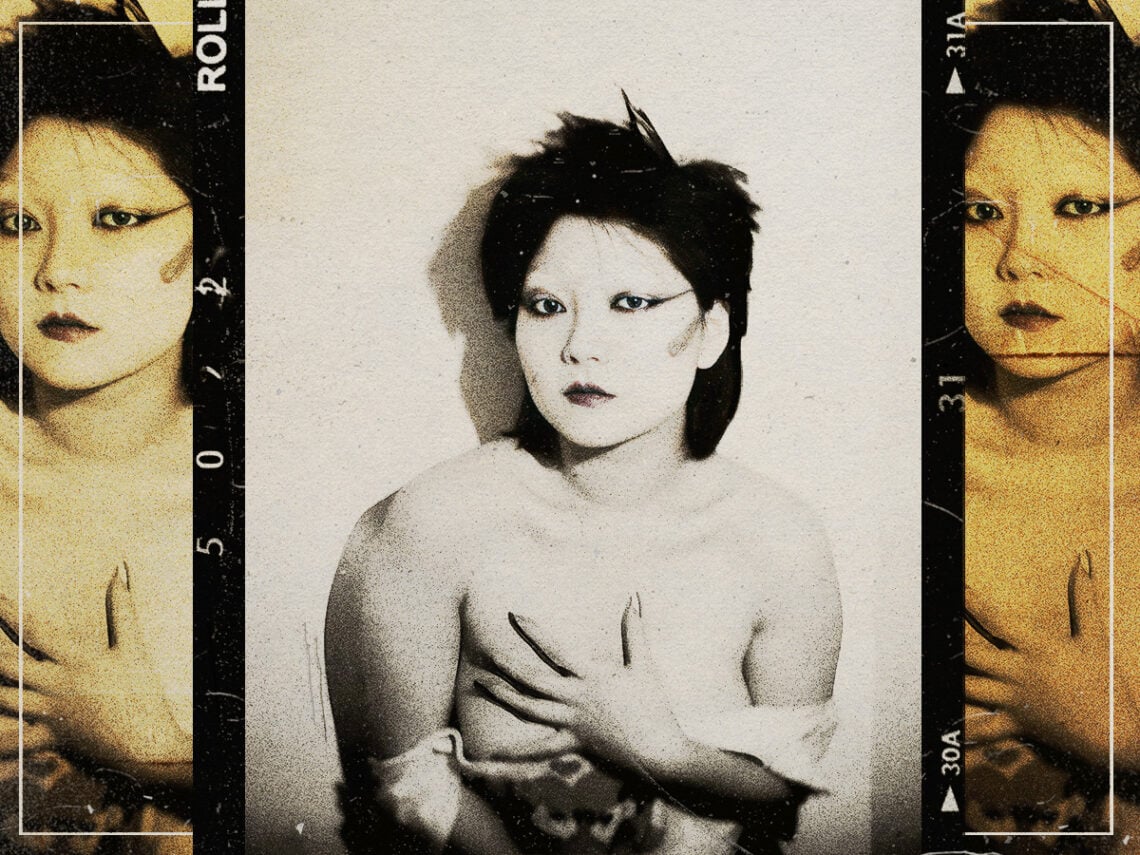
Anya Phillips: the forgotten hero of New York’s no-wave movement

The punk genre emerged in the 1970s from the seeds planted by the preceding decade’s avant-garde and garage rock bands, from The Velvet Underground to The Stooges. New York venues such as CBGBs and Max’s Kansas City fostered welcoming environments for passionate creatives to experiment and perform, giving rise to the likes of Patti Smith, Television and the Ramones.
However, as punk found popularity across the pond, with bands such as the Sex Pistols, The Clash and Buzzcocks helping to further establish the movement, reactionary subgenres soon emerged, such as no-wave. Born out of a desire to subvert punk’s simplicity, the no-wave movement defined New York’s underground during the tail end of the 1970s.
No-wave musicians, such as Teenage Jesus and the Jerks, James Chance and the Contortions, and Theoretical Girls, experimented with unconventional influences, which they incorporated into their guitar-based sounds. From free jazz to sharply angular riffs, dissonance, unusual vocal performances and disco-esque rhythms, no-wave music was incredibly influential, shaping the early trajectory of bands like Sonic Youth.
This movement welcomed a variety of artists to unite in celebration of musical and stylistic innovation. Drawn to the scene was Anya Phillips, who had left Taiwan in the hopes of becoming a fashion designer. She immersed herself in the scene, and Phillips became a defining figure of New York’s underground, acting as a multidisciplinary talent. Not only did she design clothes, but she managed bands and even co-founded the iconic Mudd Club.
Phillips had limited technical fashion skills, dropping out of university after a few days, yet that didn’t stop her from making clothes. Instead of sewing, she would tie fabrics and materials such as Latex together to make revealing bodycon dresses, which have since been replicated countless times, even inspiring an Anna Sui collection. Debbie Harry from Blondie, a friend of Phillips, often wore her clothing, most notably donning a hot pink design on the cover of Plastic Letters. The sleeve of The Contortions’ Buy also features one of Phillips’ pieces, a stringy blue number that looks like a spiderweb of bright, shiny fabric.
The designer managed James Chance and The Contortions, as well as dating Chance, helping to shape his distinctive image. Talking to Vacant, the musician explained, “She was always up to something, designing clothes, drawing sketches. I really think if she was still alive, she would have become a designer. Many other people have been using her ideas.”
When she wasn’t managing bands (she also briefly worked with Lydia Lunch), making clothes, or starring in avant-garde films, she was partying with some of the underground scene’s biggest names, welcoming them into the Mudd Clubb, which she opened with Steve Maas and Diego Cortez in 1978. The venue was incredibly ahead of its time, complete with gender-neutral bathrooms, and hosted a variety of art icons, from Keith Haring to Talking Heads and Allen Ginsberg.
Sadly, Phillips’ life was cut short when she received a cancer diagnosis, passing away at the age of 26 in 1981. Phillips’ legacy is routinely overlooked, but her influence is still here, from her clothing designs to her contributions to the incendiary no-wave underground scene.
Watch a clip of Phillips starring in Amos Poe’s The Foreigner below.

Never Miss A Beat
The Far Out Punk Newsletter
All the latest Punk content from the independent voice of culture.
Straight to your inbox.