


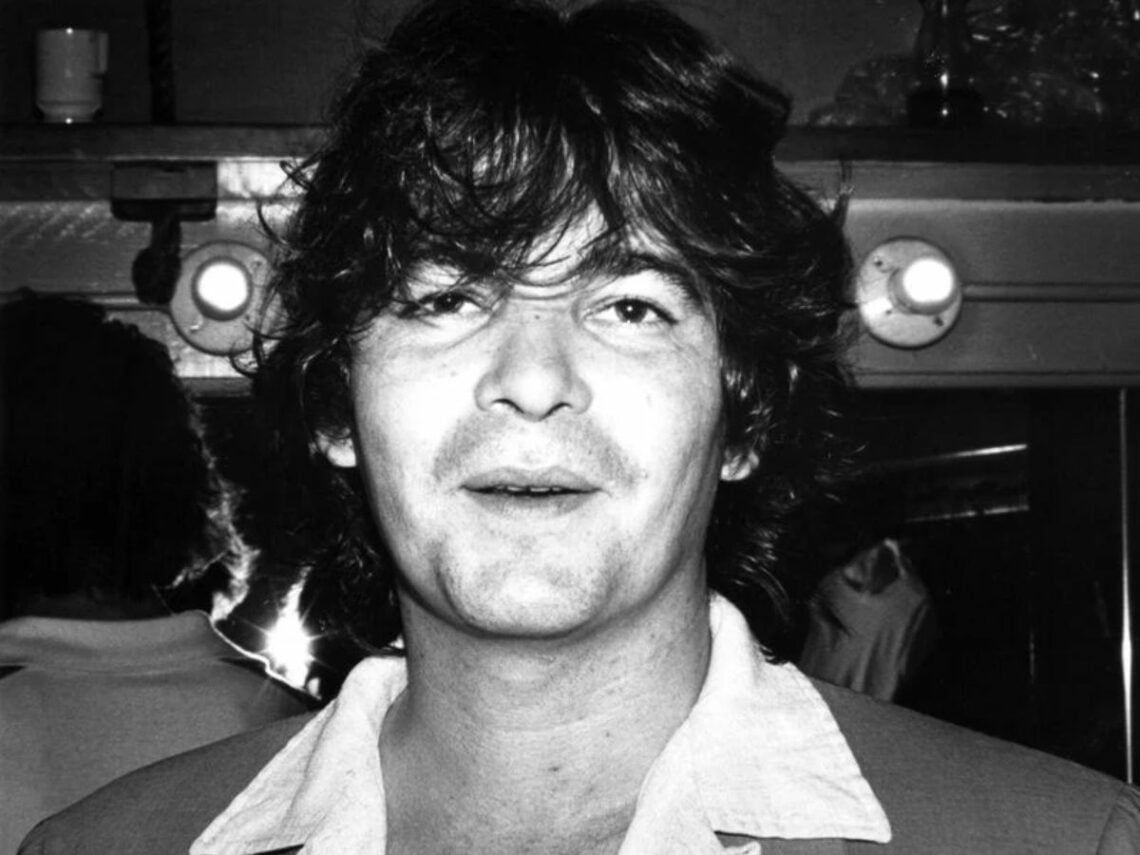
The anti-war stance at the heart of John Prine’s defining song

When you think back to the protest music which defined the cultural rebellion against the United States’ war in Vietnam, the vast likelihood is that you think of the folk boom of artists like Bob Dylan or the defiant psychedelia of groups like Jefferson Airplane. However, the musical protests against the war were certainly not limited to these genres; even country music got in on the action. Nowadays, country and western music are often associated with right-wing nationalism, but figures like John Prine were determined to revert the style back to its revolutionary left-wing roots.
Prine was one of America’s defining singer-songwriters during the 1970s. A disciple of the folk music tradition, the Illinois-born songwriter soon began incorporating elements of country music into his work during the start of his recording career in the early 1970s. Although he was somewhat an underappreciated figure in comparison to some other singer-songwriters of the period, Prine managed to amass a cult following with his groundbreaking songwriting.
In many ways, Prine sought to follow in the footsteps of the folk hero Woody Guthrie. Guthrie was often misinterpreted as a patriot due to tracks like ‘This Land Is Your Land’, which have since been appropriated by the US state. However, if you listen to his extended discography, you will find that the country-folk songwriter often discussed the dangers of right-wing politics, nationalism, and war. These defiant and unwavering principles helped to inspire the next generation of songwriters, including Bob Dylan and, of course, John Prine.
His defining song came in 1971, at the peak of US involvement in Vietnam, with the release of the anti-war anthem ‘Your Flag Decal Won’t Get You Into Heaven Anymore’. With this track, Prine brought the anti-war movement to the world of country music – a feat which had only previously been achieved by Country Joe McDonald with the novelty track ‘Fish Cheer’. The track was inspired by a rise in phoney patriotism during wartime, particularly by publications like Reader’s Digest, which began to give away American flag stickers with their magazines.
Prine noticed that other periodicals soon followed this trend, with cars and trucks around the States becoming loaded with star-spangled banners in opposition to the growing anti-war movement. The songwriter contrasts the silliness of this topic with the devastating realities of war, destruction and death, holding a mirror up to the ridiculousness of blind nationalism within the United States through his unique mix of satire and social commentary.
The chorus of the track, which notes that heaven is “already overcrowded from your dirty little war” and that “Jesus don’t like killing, no matter what the reason for”, is among the most emotionally affecting collection of lyrics to arise from the anti-war movement. As you can imagine, many mainstream audiences in America were not receptive to Prine’s message, particularly fans of country and western music who tended to lean towards the right-wing politically. Nevertheless, the song helped to establish Prine as a revolutionary young songwriter.
So, while discussions around the music of the Vietnam protest movement might focus on artists like Creedence Clearwater Revival, Jefferson Airplane, or Joan Baez, John Prine’s country-folk stylings are equally worthy of note. Even today, decades after the war in Vietnam came to an end, Prine’s account of phoney patriotism and blind nationalism remains depressingly relevant to the attitudes of many people in the United States.
