


How Andy Warhol helped invent indie music

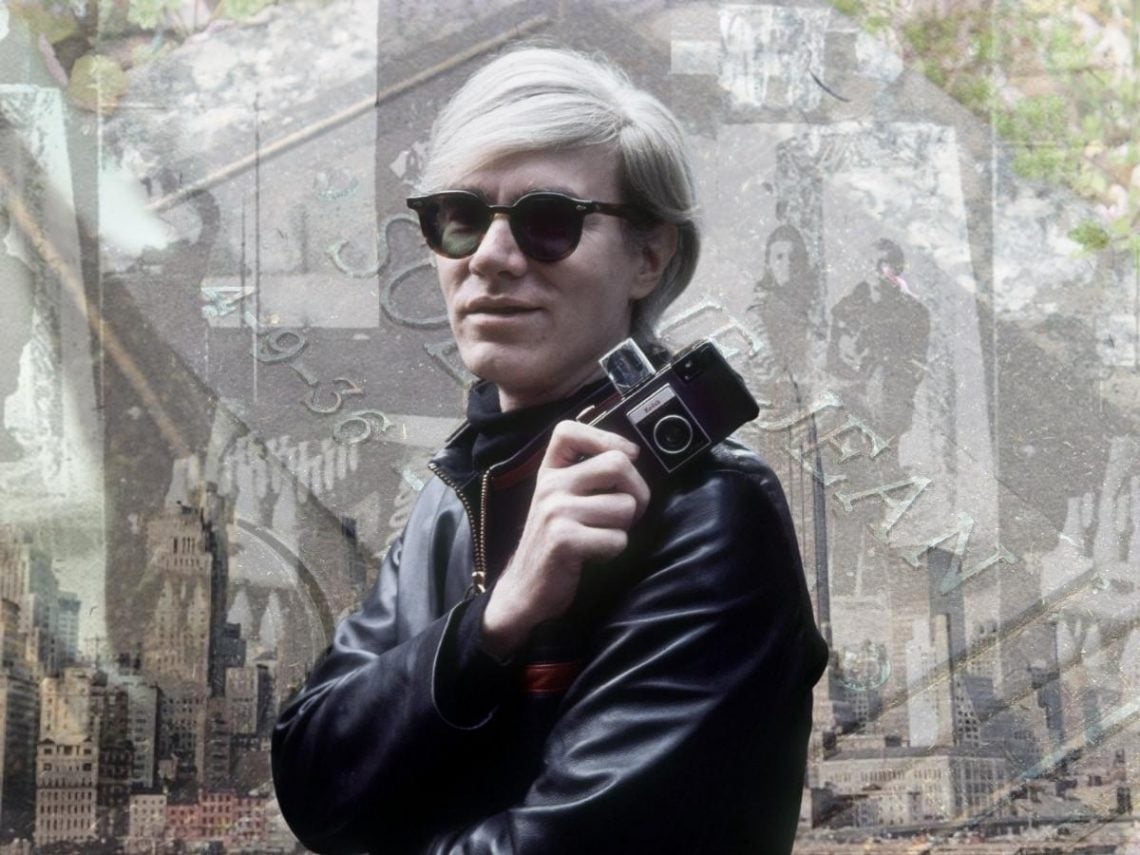
Artists don’t have to be confined to just one form of expression. Even though some musicians might live their lives travelling the world for most of their career, it’s not unlikely for some to branch out into other mediums, like Paul McCartney working as an artist or Harry Styles making the rounds as an actor. For all of the great portraits that he made throughout his career, though, Andy Warhol had a severe impact on the indie scene without playing a single note.
After becoming one of the most celebrated graphic artists of his time, Warhol started to delve into rock and roll by helping out The Velvet Underground. Sprouting out of the New York rock scene, Lou Reed’s niche wasn’t in the traditional forms of rock and roll, looking to make something that was more disturbing or graphic than what everyone was used to hearing.
As Reed recalled his early days, he explained how important it was to branch out beyond the normal parameters of rock music, saying in a documentary, “I saw the records as an example of what you could really be writing about. It was a demonstration of the freedom of topic, sound, arrangement, approach and attitude all in one.”
Though the album was performed by core members like John Cage and Maureen Tucker, Reed would praise Warhol’s involvement in bringing all of the ideas together, continuing, “He had a talent for making things happen. If Andy weren’t around, nothing would get done. It was just chaos. But if Andy were there, all these amazing things would come out. I’ve never seen anything like it. All of a sudden, it was really clear, and it was relatively easy to do.”
After reigning in the chaos, Warhol’s vision for the band marked one of the biggest tonal shifts in rock and roll. While the original bar for the sinister side of rock and roll had been made by acts like The Rolling Stones, The Velvets’ penchant for writing about life in the heart of New York City wasn’t for the squeamish, talking about everything from waiting for a call from Reed’s heroin dealer to getting down in the filthiest bondage situations on ‘Venus in Furs’.
Although Warhol made some compelling art with this new outfit, it didn’t translate to the traditional form of success. After the record was released, critics slapped it for being too uncommercial and how unprofessional the final recording was. For every negative critical review, though, fans were becoming more and more entranced by the music.
In the wake of The Velvet Underground becoming popular, acts followed their lead by writing unconventional styles of music, from the early days of punk to the clangour of metal music. More than any other genre, though, The Velvets made the idea of not being tied to commercial obligations much more intriguing.
While indie was known more for its standard definition of not being on a major label, the quirky sounds of the genre ‘indie rock’ is an inherent part of an artist’s identity today, with people trying their hand at making songs that are more indicative of them as opposed to what any commercial formula wants. Although there might have been some independent artists who gained traction before the late 1960s, The Velvet Underground remain the cornerstone for all good indie rock, all headed by a man who was more adept at drawing than playing any instrument.
