


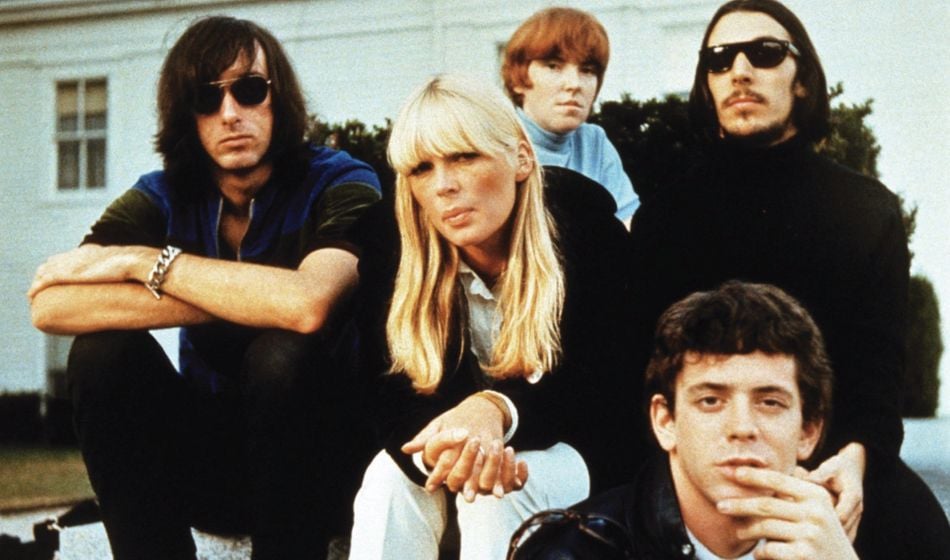
Watch an hour of Andy Warhol-shot footage of The Velvet Underground from 1966

While west coast hippies like Jefferson Airplane, The Beach Boys and The Doors manifested images of freedom, love, optimism and colour, Lou Reed and John Cale of The Velvet Underground lurked in the cold, gritty streets of New York City, conjuring up a depraved antidote comprised of heroin, salacious antics and quite possibly the gametes of punk.
Initially jamming under the name The Warlocks, Reed and Cale found stability with the addition of Maureen’ Moe’ Tucker on drums and Sterling Morrison on guitar. This early lineup of The Velvet Underground started out frequenting small backstreet venues in 1965, bringing their unprecedented avant-garde shows to the bohemian New York scene.
The wind had struck the band’s sails by the end of 1965 when they fell under the nose of creative tycoon and leading pop artist Andy Warhol. Impressed with the edginess of this unique band, Warhol welcomed the Velvets into his bohemian art troupe, The Factory and became their manager.
“The pop idea, after all, was that anybody could do anything, so naturally we were all trying to do it all,” Warhol wrote in his memoir POPism: The Warhol Sixties. “Nobody wanted to stay in one category; we all wanted to branch out into every creative thing we could — that’s why when we met The Velvet Underground at the end of ’65, we were all for getting into the music scene, too.”
Warhol and Reed became the two dominant artistic leaders for the band, with the former hosting audio-visual events for the band and designing the famed artwork for the 1967 debut, The Velvet Underground & Nico. Despite the symbiosis of this early kinship, the two creative leaders clashed horns on a number of occasions when their respective visions conflicted.
“He was this catalyst, always putting jarring elements together. Which was something I wasn’t always happy about,” Reed once told Rolling Stone of Warhol. “So when he put Nico in the band, we said, ‘Hmmm.’ Because Andy said, ‘Oh, you’ve got to have a chanteuse.’ I said, ‘Oh, Andy, give us a break.’”
Following the band’s debut album, The Velvet Underground felt strained between their own vision and the debt they owed to Warhol as the man who gave them their shot at success with a record deal.
“It was getting more and more difficult to tell the difference between the PR and the actuality because we ended up in the middle of a storm of publicity that we didn’t know was coming,” multi-instrumentalist Cale told the Red Bull Music Academy. “We got a lot of notoriety very quickly, attached to Andy. I guess Lou didn’t like that.”
“The way [Reed] handled it and the way he did it was really destructive. I mean, he just like blew up the band and fired Andy without telling anybody, and it was like, ‘What?’” Cale added.
By the end of 1967, The Velvet Underground were preparing for their follow-up album, White Light/White Heat, but Warhol would be sidelined for this effort. The relationship had become so strained that Reed fired Warhol as manager without consulting his bandmates. “Andy passes through things, but so do we,” Reed told Rolling Stone in 1989. “He sat down and had a talk with me. ‘You gotta decide what you want to do. Do you want to keep just playing museums from now on and the art festivals? Or do you want to start moving into other areas? Lou, don’t you think you should think about it?’ So I thought about it, and I fired him.
“Because I thought that was one of the things to do if we were going to move away from that. He was furious. I’d never seen Andy angry, but I did that day. He was really mad. Called me a rat. That was the worst thing he could think of.”
A year later, Reed would also fire Cale from the Velvets following a clash of interests. Despite The Velvet Underground’s short stint working with Warhol and its acerbic end, Reed, Cale, and Warhol did manage to patch up any lingering resentment. In 1990, three years after Warhol’s death, Reed and Cale collaborated on an album titled Songs for Drella (Drella being a nickname for Warhol) in honour of their late friend and artistic mentor.
Watch an hour-long reel of 1966 footage of The Velvet Underground and Nico recorded by Andy Warhol in his characteristically unorthodox fashion below.
