


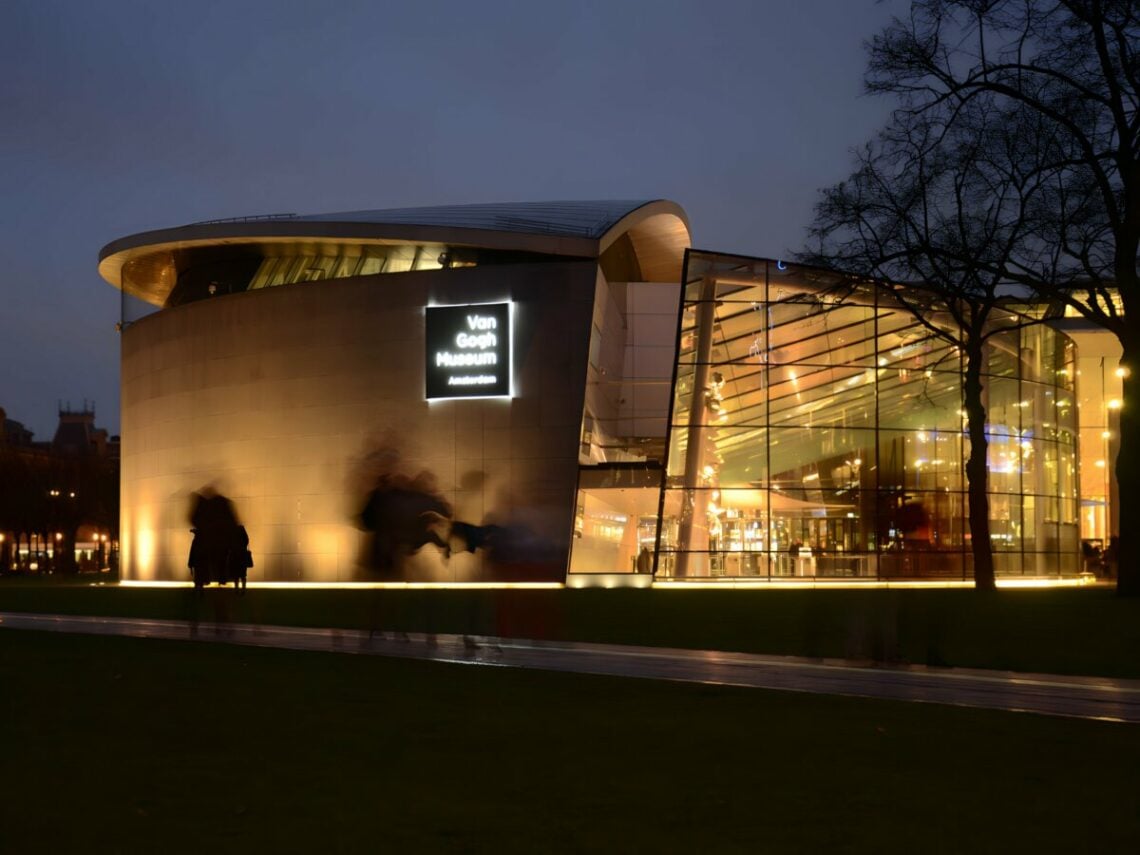
Amsterdam’s Van Gogh Museum at centre of scandal following fake ticket scam

Art institutions across the world have been prone to the odd heist or two in both real life and fictional entertainment over the years, and now, Amsterdam’s Van Gogh Museum has been cursed by online tricksters.
Since opening in 1973, the museum has prided itself on being the home of the largest collection of the influential artist’s paintings, drawings, and sketches in the world, which in turn has made it far and away the most-visited museum in the Netherlands and one of the most popular on the planet.
Averaging well over a million visitors on an annual basis since the turn of the millennium and regularly crossing the two million barrier. Thankfully, the scam was only restricted to around 50 or so potential paying customers, who ended up falling for a duplicate website, which could have been significantly higher.
Prospective visitors found themselves entering their details onto a website that looked very similar to the museum’s official page, only to discover that it was a ruse designed to harvest their bank details. The scam site has since been taken down, with the official Van Gogh releasing a statement confirming it was aware of the issues.
“Around 50 people have contacted us,” the statement read. “More than half of these individuals indicated that they didn’t trust the website, and they didn’t leave any information. Those who have actually been affected have contacted us, and we advised them to contact their bank immediately and file a report. We have made every effort to warn visitors.”
One of the victims was an 85-year-old, who then discovered their credit cards had been blocked after the scammers attempted to use the stolen details to commit financial fraud. Another, a 36-year-old woman, found the site after stumbling upon it when trying to find available tickets on the day she was planning to visit.
However, operating under the assumption that “perhaps they kept back tickets for tourists,” the woman entered her credit card details on the bogus website only to receive a pair of online passes that were dated from April 2017. The Van Gogh museum has since contacted both Google and the local authorities to try and root out the culprits, as well as issuing a warning on its actual homepage.
It may have only been a tiny percentage of the museum’s yearly footfall to have been afflicted by the scammers, but it nonetheless spurred the Van Gogh into action to quite literally instruct those viewing its official website to be “beware of scammers.”
