


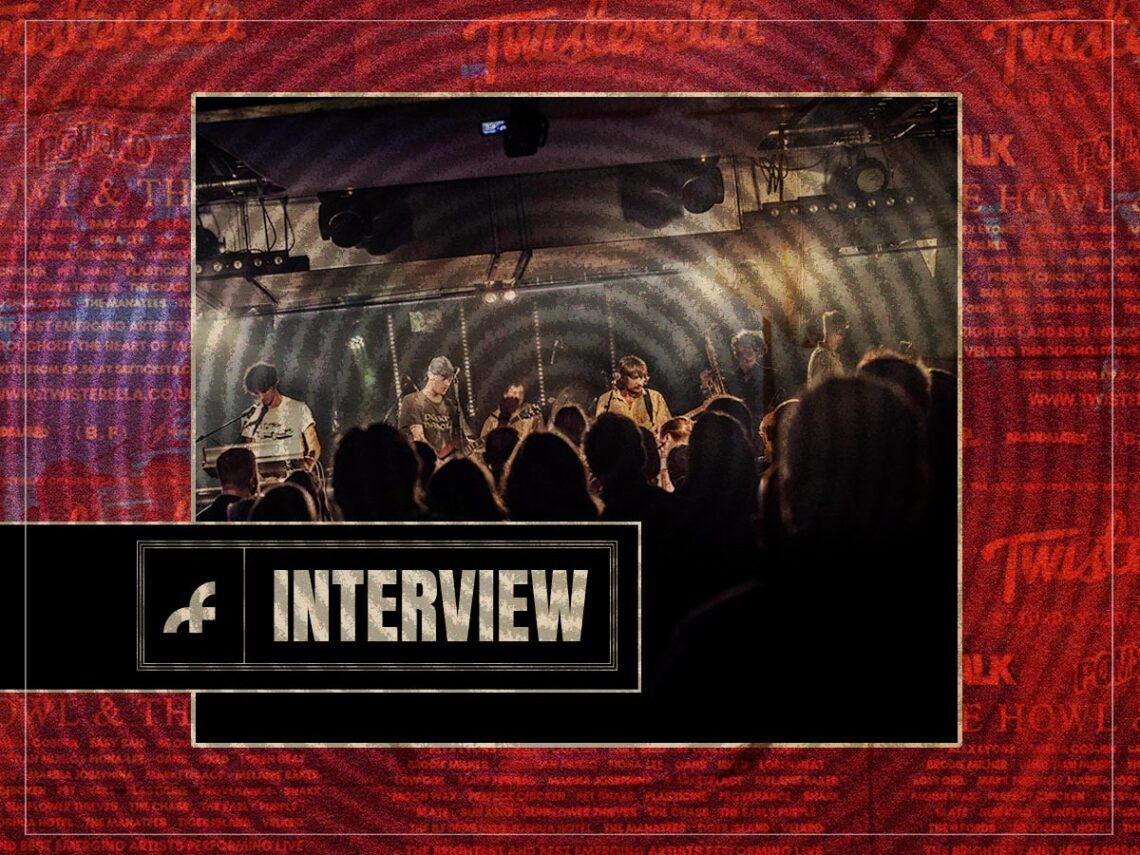
“Ambition and aspiration”: How Twisterella Festival is changing the outlook of music in Middlesbrough

“Leave fast, or stay forever,” Sam Fender sang on his debut album. It’s a sentiment that creatives from the North East know well: this looming feeling that if you want to do something or be someone, you have to go elsewhere. With historical underfunding leaving little space for a creative industry to survive, an area like Middlesbrough is rarely associated with artistry despite punching above its weight against the odds. Finally, things might change in their favour to aid that.
In recent years, it feels like the town has turned to music to save the day, boosting the economy and morale by prioritising creativity as a tool for change. The area appointed an Artist Of The Year, Press On Vinyl has put it on the map as a titan of the music industry, working with major artists, and more events like Stockton Calling are working to boost live music. At the centre of it stands Twisterella, a festival that booked Sam Fender right back at the beginning and has found a perfect niche of being able to spot, platform and encourage genuine emerging talent, which is exactly what the North East needs.
The festival’s co-founder, Henry Carden, has seen first-hand how things are changing and the power that music can have in the area. When they started the festival 10 years ago, Middlesbrough was starved and calling out for culture as more and more venues sat boarded up. “Liberty’s In Town isn’t there anymore. TSOne isn’t there anymore. The Westgarth, which was kind of the heart and soul of the scene, isn’t there anymore. These places don’t exist anymore, and there isn’t that weekly live music,” he explained.
But as a booking agent who had been putting on gigs in the area for a long time, Carden knew that this was no reflection at all of the people in town. In fact, Middlesbrough audiences are famed for their interest in discovering new music. “I think when bands come to Middlesbrough, they really connect with audiences. And then the people that see them at those early gigs go on that journey with the artist, and they’ll go see them at other gigs, and they’ll feel part of that artist’s story,” Carden said.
In return, there’s a pattern of bands heading up to Middlesbrough for some of their earliest shows as an emerging act, loving the energy and making sure to return. Wolf Alice, for one, played Westgarth Social Club in 2013 and loved it so much that in 2017, right when they were the buzziest indie band around, they came back for a special show. Time and time again, bands that come to the area remark on the energy of a Middlesbrough crowd as a group hungry for fresh talent and a good time, breaking free from the austerity that has blighted the region. So really, it’s the perfect place for a new music festival.
But in the shadows of neighbouring cities with bigger industries, better funding and more venues, it’s been left overlooked in favour of Newcastle, Leeds and Manchester. But for Carden and the team, the trick was to not even try to compete. “It kind of inspires our logic at Twisterella that we’re not trying to compete with Newcastle. We’re not trying to compete with Leeds. We’re doing our own thing, and that is new music and new artists,” he said.

And when Carden says new, he means new. The other benefit of Twisterella staying in its own lane is that it exists outside of the bubble. Look at the lineup of any so-called new music festival that claims to be platforming fresh talent, and you’ll see the same handful of names. Chances are the majority of that handful will be from London or at least from a city. Some of them will also already have a manager, a label and a team of people working to boost their ‘up-and-coming’ status. A festival like Twisterella is a necessary antidote for that as its space in the shadow means it can shine a light on bands who would fall into the dark too, booking genuinely interesting acts that deserve attention that they might struggle to get elsewhere.
“I think that it embodies that mentality of Teessiders,” Carden said, “which is being the underdog and fighting for the other underdogs, and embracing the collaborative spirit of being all in it working together.”
However, it’s also the mentality of Teessiders to sometimes hold that underdog status too close to the heart. We don’t shout loud enough about our successes; we never have. “People massively underestimate Teesside in general,” Amelia Coburn, Tees Valley’s Artist Of The Year, told Far Out, “When you’re from here, and you go elsewhere, and people are like ‘Middlesbrough? Is that in the middle?’ it’s so annoying. I’m not the best at geography, but how are we ever supposed to get more attention for our cultural scene when people don’t even know we’re here?”
The result of years of ignorance, a lack of representation of North East accents and ongoing underfunding of the area is a kind of collective insecurity that makes creatives from town feel like they can’t compete with the city big leagues or have to move in order to try.
Twisterella is trying to tackle that. “It’s about ambition and aspiration like letting people know that they’re actually good,” Carden said. “We are all in it together here, and we all encourage one another. But there’s a lot of lighthearted ripping each other when, really, we need to be telling artists straight up that they are good and they can make it. We’re so good at championing the underdog, but we also need to shake off the underdog mentality and be ambitious and encourage people to properly go for it.”
At the festival, every artist is booked on merit, which means that local artists don’t get an easy in or an automatic slot in comparison to out-of-towners. But the festival’s reverse headline set-up is there to provide a much-needed boost of encouragement to the acts. The day begins with the biggest names, such as The Howl and The Hum, which hit the stage at 1:30pm, meaning everyone is in town early, avoiding the bad habit of crowds missing the new names and only shuffling in later.

“It gives us the opportunity to treat local bands with a bit of respect,” Carden explained, “Because it’s not just like they’re a token local band opening up to 20 people before the big headliner. It means we can put really good bands in a really good slot because they deserve it, and get them in front of bigger crowds and prove to them they can pull it off.” He said, “There are loads of amazing artists around here at the moment, and we need to encourage them to have the ambition to try and compete nationally and show people that they’re capable.”
As someone from Middlesbrough who certainly fell victim to the “leave fast or stay forever” mindset, Carden’s passion for encouraging the area’s creatives makes me emotional. It’s hard to properly convey what it’s like growing up in the area; our schools tell us to dull down our accents in job interviews if we want respect. Studies literally show that North East accents are associated with a lack of intelligence and ambition.
Dr Robert McKenzie found that this can lead to serious implications as “people are more likely to be found guilty in court. They are less likely to be offered a job after an interview. They are less likely to be given access to social housing.” But it also means that the accent is largely unheard. It’s rarely heard on TV or radio, and this lack of representation perpetuates the vicious cycle, continuing to make people in the area feel like the creative world isn’t for us, encouraging them out of the industry and making the chance of representation even slimmer. Carden’s passion for telling the area’s musicians that they can and should compete is not only admirable and moving but is crucial.
“I think things like that really, really matter,” he said, summarising the entire message surrounding Twisterella and its position as a vital platform for the area’s talent and underdogs everywhere. “You don’t want anyone who’s actually talented or passionate about music to think they have to go somewhere else. And hopefully, things like Twisterella and Press On Vinyl and Stockton Calling and loads of other things that happen at the moment show that it’s possible to do cool stuff here.”
