


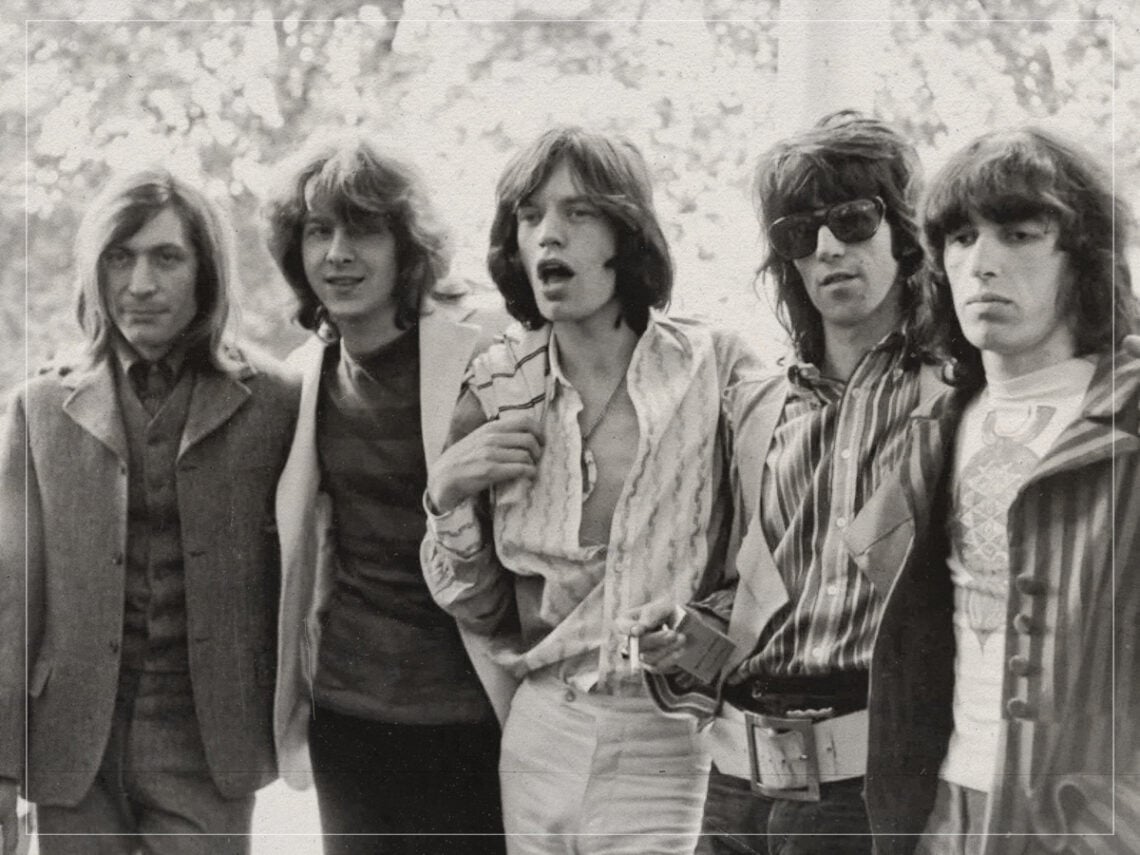
The many iconic albums recorded at the Rolling Stones Mobile Studio

In 1965, right when The Rolling Stones broke through into major notoriety, it might have been argued that they had more money than sense as they decided, still relatively early on, to purchase a futuristic tin-can studio.
It’s essentially the musical equivalent of those couples who decide to buy a van and live out of it, sitting at dinner parties and doing speech after speech about how they’ve escaped the confines of society and saved themselves, keeping their rent money in their back pocket to buy petrol instead. Their speeches always come down to one admirable desire, though, which is the desire for freedom.
That’s exactly what the Stones wanted, and so when they purchased a DAF F1600 Turbo truck and set about refurbishing it, it toed the line between new money insanity and sensible liberation. Up until this point, any Rolling Stones recording had been done in a standard studio, meaning that they had to work around the classic nine-to-five opening hours. It didn’t serve them creatively, nor did it serve them around the day jobs that they were really only just getting the courage to quit.
Right when things started stepping up, they wanted to be able to follow their whims and record when they wanted to record. So the solution seemed simple: buy a truck, buy the gear, deck out the hold at the back into a fully functioning, and actually pretty state-of-the-art, recording studio. For a name, they christened it simply the hyper practical ‘Rolling Stones Mobile Studio’.
Initially, the plan was just to keep it parked at Mick Jagger’s gaff, but when the 1970s hit and the band ran off into a tax exile, their truck came in so insanely handy as they could simply pack up and drive their studio over to France, allowing them to make a good portion of Exile on Main St. from the back of the van, parked up on their estate.
However, it wasn’t just the Stones that the studio benefited. As their peers saw how handy it was proving for the band, allowing them 24/7 access to recording equipment and the ability to have that equipment everywhere, the inquiries started flooding in. Pretty quickly, it wasn’t just the Stones’ studio, but was being lent out to a whole cast of other artists.
Led Zeppelin were the first to come calling; in 1970, they borrowed the studio to record part of Led Zeppelin III after being stationary at Olympic Studios in London wasn’t working out for them. After that, the floodgates seemed to be open for the entire London rock scene as The Who called on them for Who’s Next in 1971, Deep Purple recorded ‘Smoke on the Water’ in Montreux in the truck, singing of the studio “We all came out to Montreux … to make records with a mobile”, Fleetwood Mac routinely borrowed the truck back in their earlier, British days, and the studio even became an early link between the band and Ronnie Wood as The Faces used the studio for part of Long Player in 1971.

The powerful list keeps running on into the late 1970s and ‘80s. It started proving especially helpful for recording live records as bands would get the studio driven out to capture certain key shows, with a full-time sound engineer hired to run the studio. Long after the Stones themselves were done using it, acts like Motörhead, Lou Reed, Iron Maiden, and more were still making use of it as the truck proved revolutionary as an early example of on-the-go recording set-ups.
However, the issue with the mobile was a very classic Rolling Stones gripe. It wasn’t that they were just lending it out to their mates for a jaunt, and as Jagger has always been more than attuned to money-making, he realised he could make a good income here, and so the studio was incredibly expensive to hire. In the 1970s, it would cost around £1000 a week, which was a lot. For context, Nirvana recorded the entirety of Bleach in the harsher economy of the 1990s for only $600, so as far as studios go, the Stones’ wasn’t exactly a steal. But no expense was spared to make it great, as the tech was top of the range, and bands couldn’t really put a price on the freedom it offered them. Except, they could, and for Deep Purple, even halfway through recording a song that referenced the truck, they had to decamp and go find somewhere cheaper.
Some iconic records recorded at the Rolling Stones Mobile Studio:
- Led Zeppelin – Led Zeppelin III
- The Rolling Stones – Exile on Main St.
- The Faces – Long Player
- Deep Purple – Machine Head
- Fleetwood Mac – Penguin
- Bad Company – Run with the Pack
- Santana – Moonflower
- Simple Minds – Life in a Day
- Iron Maiden – Live After Death
- Patti Smith, The Ramones and more – Best of NYC Hardcore
- Lou Reed – Live In Italy
