


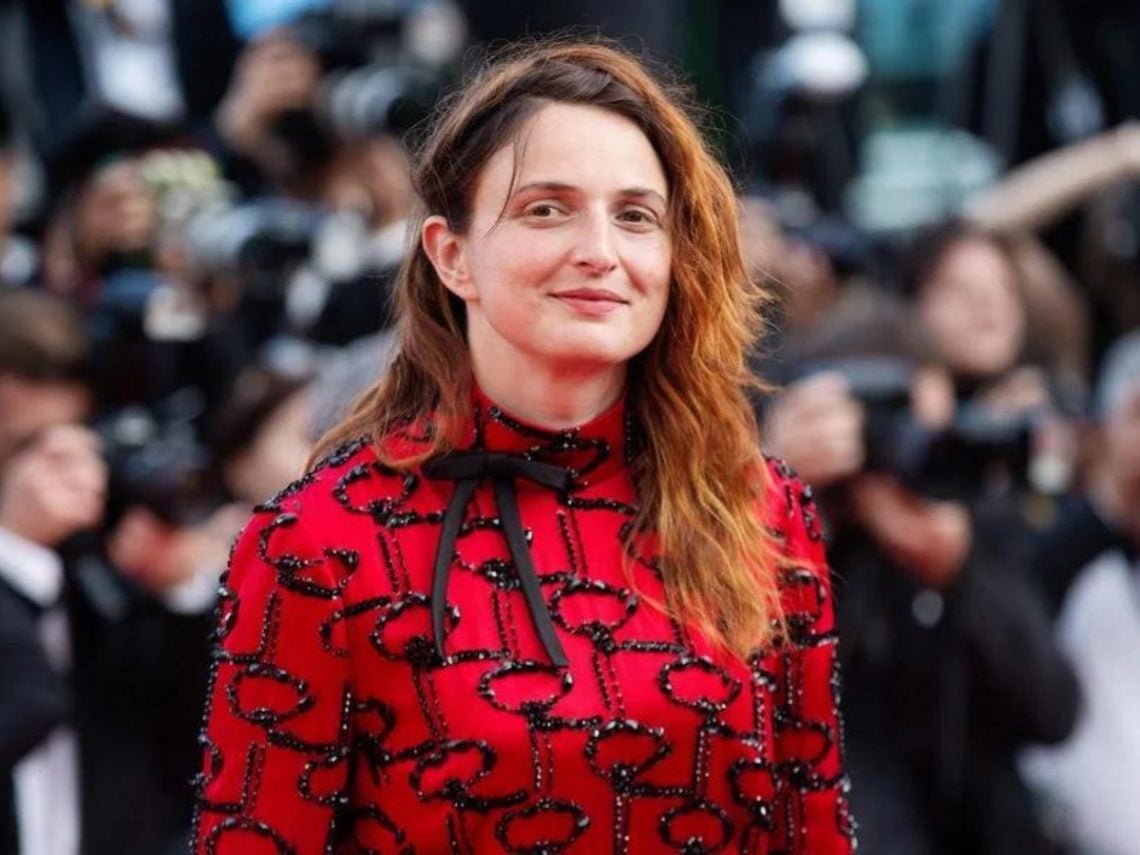
Alice Rohrwacher names the 10 greatest films of all time

Italian filmmaker Alice Rohrwacher gained her first experience in filmmaking in 2006 when she helped to direct part of a documentary called Checosamanca. However, by 2011 she had managed to write and direct her first feature film, Heavenly Body, a coming-of-age drama about a young girl’s experience of receiving Confirmation. Having garnered critical acclaim after the project premiered at Cannes Film Festival, Rohrwacher’s film is subtle yet sensitive and proved the filmmaker to be one to watch.
In 2014, Rohrwacher released her second feature, The Wonders, which won the Grand Prix at Cannes. Another coming-of-age tale, the film is primarily based on the director’s childhood memories of helping her beekeeper parents. Her third effort, Happy as Lazzaro, was highly praised, with Parasite director Bong Joon-ho calling it one of the best films of all time. He said the movie “probes the rift between agrarian and modern life and contains one of the most dazzling twists – and tracking shots – in recent memory.” Furthermore, Rohrwacher won Best Screenplay at Cannes and a National Board of Review prize for the film.
Alongside her feature films, Rohrwacher has directed multiple episodes of the Italian miniseries My Brilliant Friend and completed several documentaries and short films. According to Bong, she possesses a cinematic style described as “a mix of magic realism and neorealism” with “innocent characters butting up against corrupt behemoths”. It seems as though Rohrwacher’s reputation as a filmmaker will only grow with new releases – luckily, her latest short film, Le Pupille (produced by Alfonso Cuarón), will be released on Disney+ on December 16th, 2022.
However, until then, Sight and Sound have provided us with Rohrwacher’s list of the greatest films of all time. She prefaces her list by stating: “I’ve never been good at making lists, not even a shopping list. I always forget the most important things. This list of films is a spontaneous list of ‘basic staples’, but I know it could go on and on because, fortunately, there are many eyes that have fed me and still feed me. But here are some films I’d watch again tonight, hungrily.”
Her first pick is Strike by Sergei Eisenstein. The 1925 Soviet silent drama is arranged into six parts, and details factory worker strikes in pre-Revolutionary Russia. The film is monumental for its innovative editing techniques, which had rarely been used before. Extremely quick shots, montages, cross-cutting, dissolves, multiple exposures and iris shots are all used to convey the intensity of the strikes and the workers’ eventual suppression.
Vittorio De Sica’s fantasy film, Miracle in Milan – a neorealist fable – also makes it onto Rohrwacher’s list. According to De Sica, the film is an ode to the “common man”, blending lighthearted comedy with a powerful meditation on poverty and community. Another film Rohrwacher picks revolving around class divides is Vagabond by Agnes Varda. Released in 1985, Varda’s powerful drama follows a young girl as she wanders destitute around the Languedoc-Roussillon wine country during winter. The film blends narrative fiction with documentary elements and social commentary, undoubtedly showing its influence in Rohrwacher’s work.
The director seems to have a penchant for Pier Paolo Pasolini, picking both his short film La Terra vista dalla Luna and Federico Fellini’s Nights of Cabiria, which Pasolini co-wrote. Alongside Strike, Rohrwacher picks multiple Soviet films, such as the hopeful 1975 drama Getting to Know the Big Wide World by Kira Muratova, Sergei Parajanov’s surreal and poetic art film The Color of Pomegranates, and Yuri Norstein’s 1979 film Tale of Tales, widely regarded as one of the greatest animated movies of all time.
Check out the full list below.
Alice Rohrwacher’s 10 favourite films:
- Strike (Sergei Einsenstein, 1925)
- Miracle in Milan (Vittorio De Sica, 1951)
- Vagabond (Agnes Varda, 1985)
- La Terra vista dalla Luna (Pier Paolo Pasolini, 1967)
- Nights of Cabiria (Federico Fellini, 1957)
- Getting to Know the Big Wide World (Kira Muratova, 1980)
- The Color of Pomegranates (Sergei Parajanov, 1969)
- Tale of Tales (Yuri Norstein, 1979)
- The Blue Planet (Franco Piavoli, 1981)
- Le Havre (Aki Kaurismäki, 2011)
In keeping with her documentary background, Rohrwacher selects The Blue Planet, not to be confused with David Attenborough’s BBC series. The 1981 Italian film created by Franco Piavoli uses carefully crafted sounds and images of the changing seasons to illustrate the process of time passing and our planet evolving.
Finally, her most recently released pick is Le Havre, from 2011. The comedy-drama, which tells the story of a man who tries to save an immigrant child, was written and directed by Finnish filmmaker Aki Kaurismäki and won the FIPRESCI Prize at Cannes.
