


“We’re washed up”: The albums that tormented Radiohead, and the one that saved them

Once every couple of years, perhaps more frequently, speculation becomes rife among the most overzealous members of Radiohead‘s vast fanbase.
Quite often, this comes in response to a cryptic post on the internet that sends people into a frenzy of trying to decipher whether the Oxford band are secretly planning to unveil their grand return, and it’s just as frequently met with a sense of underwhelm that there’s no new material on the horizon to speak of. However, questions are often asked as to whether their ninth album, 2016’s A Moon Shaped Pool, is the final act of their beloved band, and that they’re imminently going to call it a day.
Thankfully, this also hasn’t happened yet, and despite many of the members choosing to pursue their own individual creative endeavours on a more frequent basis over the last decade, the fact that Radiohead have embarked on worldwide tours in the last 12 months ought to be enough of an indication that there’s still life in the old dog yet.
However, as much as the idea of Radiohead breaking up is a devastating prospect for plenty of superfans across the globe, the speculative nature of such discussion is far removed from reality. Reality, in this instance, would be the fact that between 2001 and 2007, the end of Radiohead felt like a genuinely tangible inevitability.
Fears initially arose shortly after the release of their fifth album, Amnesiac, when frontman Thom Yorke took to the band’s official blog and effectively declared Radiohead to be done and dusted. “We’re splitting up. It’s all shit. We’re washed up, finished,” an evidently emotional Yorke posted, before following it up with: “I’ve been fucking tearing my hair out. Furiously writing, working out parts, cracking up. Not much time left. Unsure about everything.”
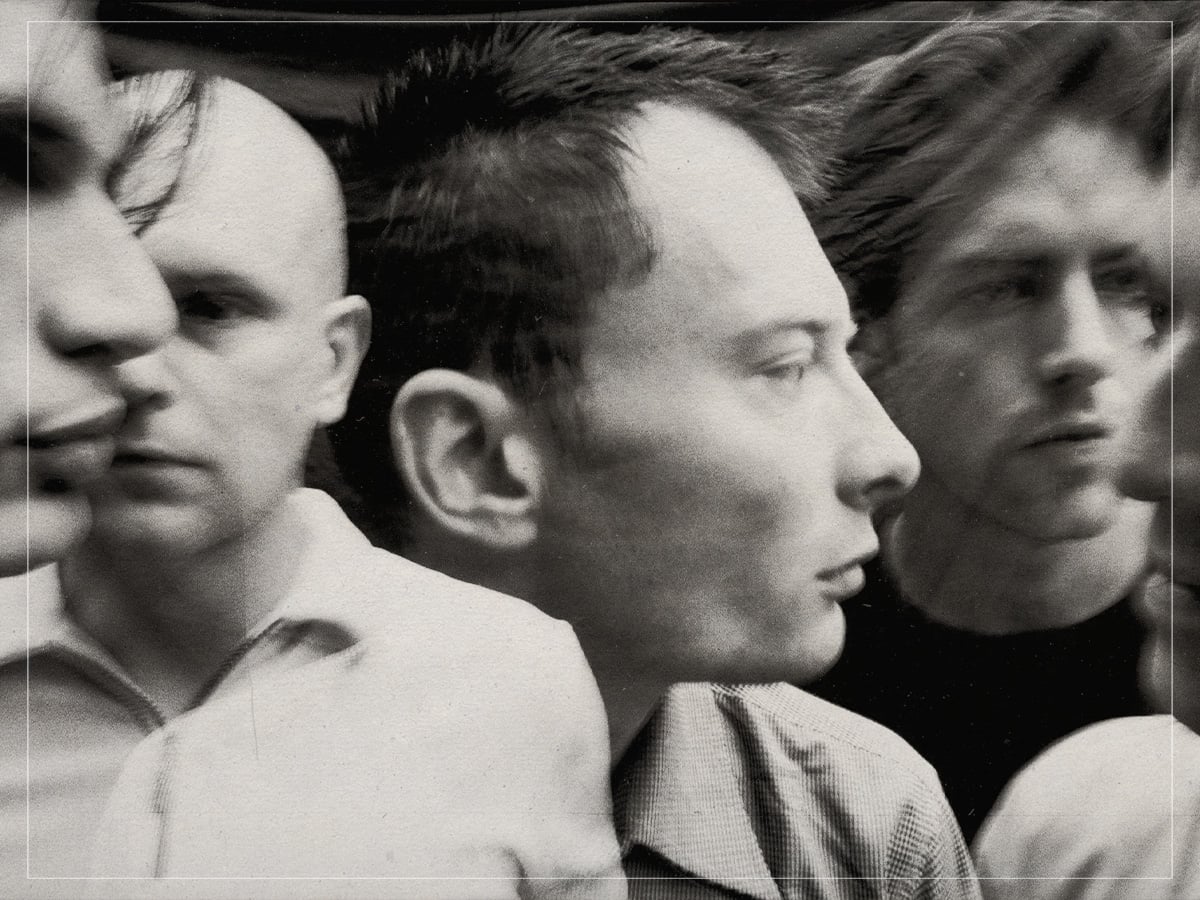
Radiohead hadn’t split up, and less than two years later, their sixth album, Hail to the Thief, was released to intense disagreement on whether or not Yorke was right in suggesting that they were musical castaways incapable of bringing themselves to safer shores. Headline appearances at Glastonbury and Coachella in 2003 and 2004 did a lot to suggest that the band were bigger than they’d ever been, but they also hadn’t been placed under this much scrutiny at any other point in their career.
Their silence in 2005 was deafening for fans, and their notable omission from the lineup of the Live 8 charity concert had speculation running high once again. Adding fuel to the fire, Yorke released his debut solo album, The Eraser, in 2006, which led many to wonder whether they’d quietly decided enough was enough.
Enough was enough, at least at the time. Yorke would later acknowledge the band’s absence from Live 8 in a 2009 interview with Mojo, arguing that they simply didn’t have it in them to be performing at an event of such high prestige. “We weren’t in a good space to stand in front of hundreds of thousands of people and deal with all the internal fallout,” he confirmed. “We just couldn’t do it. It was at that exact time when we were deliberating whether to carry on or not. We couldn’t even make it into the rehearsal room.”
Yet, despite all of the trials and tribulations that they faced, including the end of their six-record deal with Parlophone and pressure from management to make a definitive decision on their future, they chose to hole themselves up in a number of makeshift studios as a last-ditch effort to come up with ideas for a seventh record. The outside world was unaware of these make-or-break sessions, and then, with little to no fanfare, a sign of life was broadcast to the world
In Rainbows was announced with just ten days’ notice, with it initially being released online under a pioneering ‘pay-what-you-want’ system. Radiohead were back, making some of the most vital music of their career, and it came at a time when most had given up all hope of them returning. Perhaps there’s still a chance this will happen again, but don’t expect to be able to figure out what that next move will be.
