


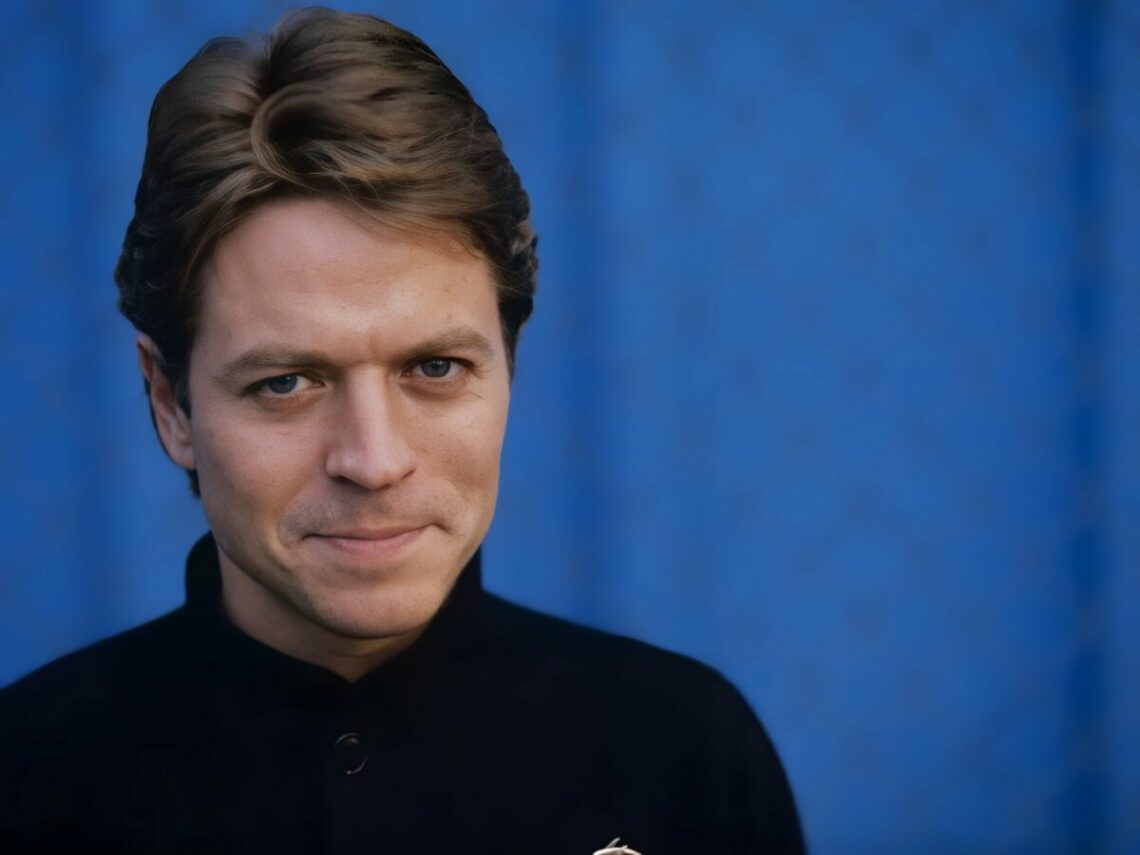
“Killer”: The album that made Robert Palmer proud to be a musician

Just because music is successful doesn’t mean the person responsible for it will be happy. Robert Palmer can attest to this, as despite his first two solo albums, Pressure Drop and Sneakin’ Sally Through The Alley, doing well, he wasn’t very happy looking back on them as his own work.
This is a common issue that a lot of musicians face. If you think back to something you said, the way you behaved or a decision you made in your life, there will be a number of different instances that you aren’t pleased with. This doesn’t mean that they are something to be ashamed of; instead, they’re just things you can do differently.
The difference between that dilemma and a musician’s record is that most of the time, there isn’t a physical representation of a mistake we’ve made. When it comes to music, albums are reflections of periods in time. A few months of writing and weeks of recording are condensed into a record, which, a lot of the time, is something to be proud of but sometimes is looked back on with regret.
Palmer didn’t look back on his first couple of records with glee. While it would be a stretch to say that he regretted making them, there are certain things that he would have changed, as he made clear in an interview. It wasn’t until his third record that he made some music that he was proud to call his own.
Some People Can Do What They Like was released in 1976 and had some big hitters in it. One of the leading singles, ‘Man Smart, Woman Smarter’, climbed the charts and ended up peaking at 46 on the Billboard chart. It wasn’t the success of the record that appealed to Palmer; rather, it was the stripped-back process consisting of band members he was comfortable with and long days as everyone tried to put together the perfect album.
“It took two weeks to record, 12 hours a day. No strings, no horns, part of the band that I used on my last tour here, half of Little Feat, and various assorted drummers and percussionists,” he said, “Lots of voices, mostly mine. And a lot of Little Feat doing a kind of chant things.”
Little Feat meant a great deal to Palmer. He was vocal about feeling a connection working with them that exceeded the standard connection of merely working on a record with people. He also felt as though they were an underrated band.
“They’re wonderful fellas – I don’t mean to be facetious, but it’s got to the point where my relationship with them isn’t like someone that just works on a record,” said Palmer, “I like to advertise them because I think they’re getting short-changed. They’re still only popular within the industry…”
When discussing the record as a whole, Palmer didn’t hold back, saying it was quickly the piece of music he was proudest of, and he was happy to have his name attached to it. “This new album is a killer,” he asserted, “It really is. It’s nice because I don’t need to feel awkward when people come up to me and say they really like my stuff. I can say, thank you very much, that’s what I do and I do it to the best of my ability. I like it too.”
