


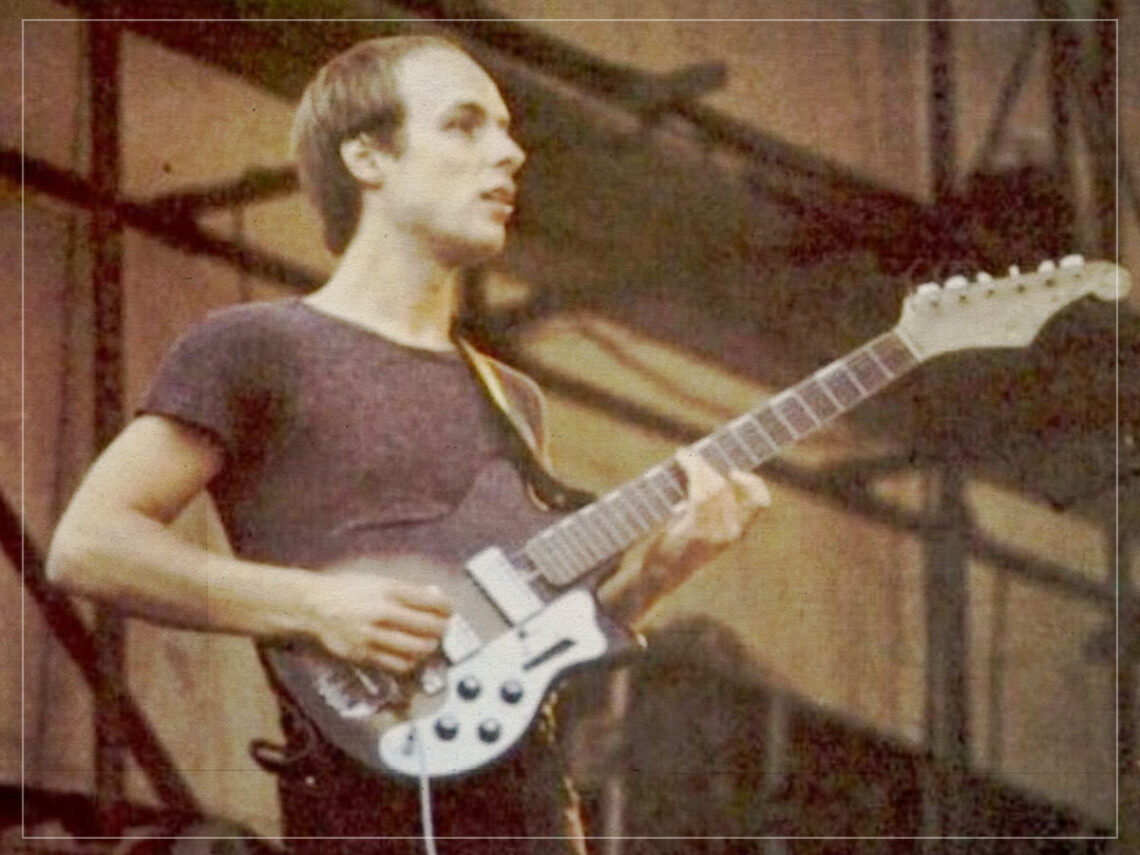
The 1973 album that transformed Brian Eno: “An entirely new kind of music”

When it comes to being an influential voice in music, few have managed to shape so many different styles and trends as the studious Brian Eno.
He’s always had his ear to the ground for something new. After he first encountered Donna Summers’ classic ‘I Feel Love’ in 1977, he rushed into the studio where David Bowie was working and told him he had just heard “the sound of the future”. That outlook has always imbued his own music with an eclectic, forward-thinking edge.
From being a key member of the art rock group Roxy Music on their first two albums to his pioneering work in ambient music, the career trajectory of the Suffolk-born artist has taken many unusual twists and turns, but every single one of them has proven to be fascinating in its own right.
His work as a producer is perhaps what he ought to be most celebrated for, and his collaborations with the likes of David Bowie, Devo and U2 remain some of his finest achievements. However, it was on a trio of albums that he assisted Talking Heads where his prowess truly shone most, and his production on More Songs About Buildings and Food, Fear of Music and Remain in Light was truly groundbreaking for its time.
Introducing the band to different rhythms and synthesised sounds pushed the group in a far more experimental direction over the course of this trilogy, and by the time they came to release Remain in Light in 1980, the band sounded drastically different from the group that had made Talking Heads: 77 just three years prior.
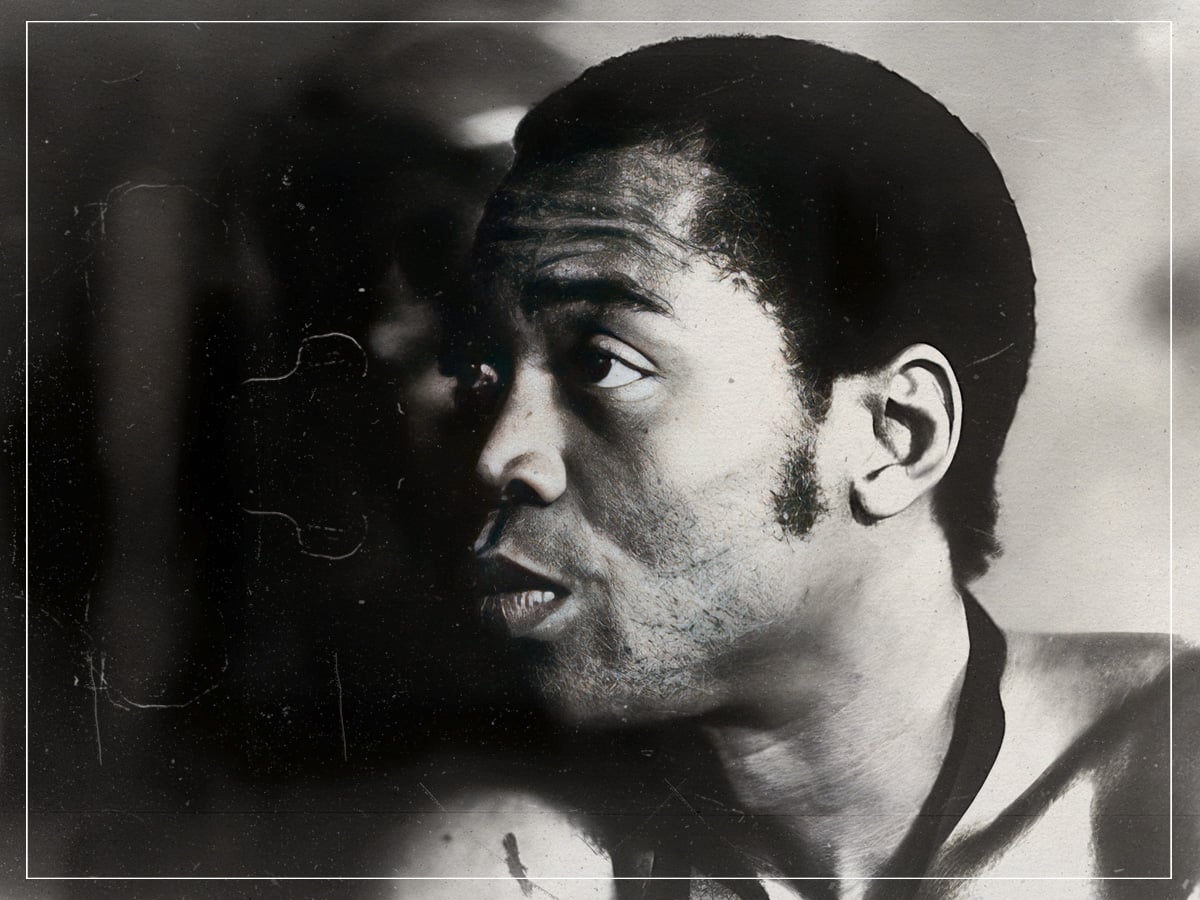
One thing that seemed to have the most profound effect on the songwriting and production of these records, especially the latter two, was the newfound infatuation the band developed for African music, but it wasn’t David Byrne and co who introduced this aspect to their grooving work.
It was Eno’s influence that brought the polyrhythms and repetitive grooves of African music to the table, with Afrobeat, in particular, being a major source of inspiration to the group. However, Eno’s love of this music wasn’t something that he’d always known about prior to sending it in the New York band’s direction. In fact, he stumbled across it by complete accident.
Eno has said in the past that the music of Fela Kuti was something of a revolutionary discovery for him, and the story of him finding the Nigerian artist’s music for the first time is perhaps one we can all relate to. “I walked into a record shop and found a record with a rather strange cover; it was called Afrodisiac, and it was by somebody called Fela Kuti,” Eno recalled.
Adding, “I just bought it really on the strength of the cover.” We might all have been taught at one point in our lives never to judge a book by its cover, but the same can’t necessarily be said for someone browsing a record store.
As for his first listening experience, Eno remembers it fondly. “I took it home, and my life changed, really. It really did. It was an entirely new kind of music to me. Absolutely, totally thrilling, and I thought, ‘This is the future of music’”, he said, eliciting one of his catchphrases.
With just four lengthy tracks, the album unexpectedly launched Kuti as a bit of a sensation back in Nigeria. The single ‘Jeun Ko Ku’ became his first hit in his homeland, proving that this music wasn’t only innovative, it was incredibly catchy, too. That invigorated Eno’s musical view at a time when Roxy Music were just breaking into the charts. But it would stay with him for life.
Despite first purchasing the record in 1973, he’d repeat this same tagline when bringing it into the studio almost five years later. “When I first met Talking Heads,” he stated, “I played that record to them and I said ‘this is the future of music’. A lot of what Talking Heads, and David and I subsequently did, really comes from that particular record.” You can hear that perfectly clearly, too.
The influence of that record on Eno might have been massive, but its subsequent impact on Byrne was even more vital, with large amounts of his career after that point taking inspiration from different musical traditions and cultures across the globe. The palette of pop had expanded, and Afrodisiac was a key precursor for that.
