


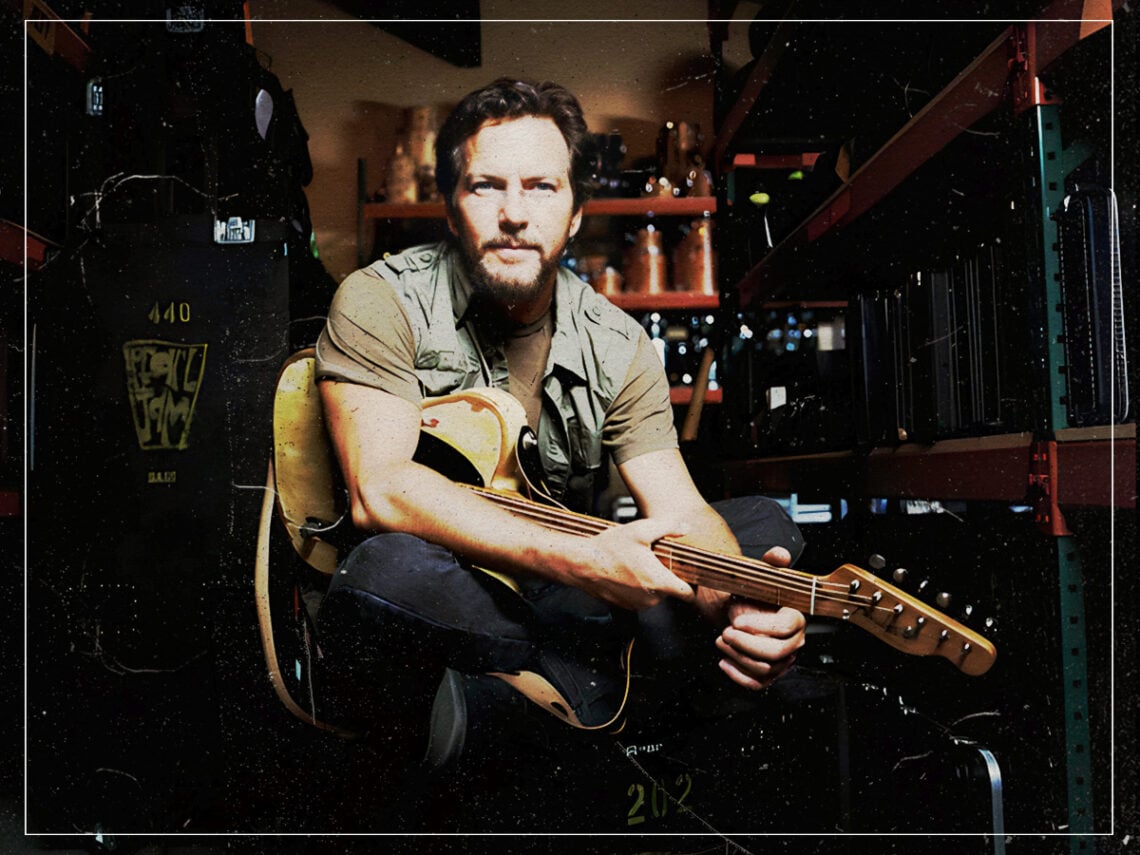
The one album Eddie Vedder felt uncomfortable writing

Getting a big break in the music industry is a double-edged sword for most artists. As much as it might be fun to play the music you love for anyone who wants to hear it, there comes a point where things begin to move too fast, and labels breathe down your neck to make something equally as good. Although Eddie Vedder never said anything that wasn’t from the heart in Pearl Jam, he admitted that he first felt uncomfortable when writing for one of their earliest records.
Looking back on how the band was constructed, though, Vedder’s inclusion practically came through happenstance. Although the band looked like they would keep moving as Mother Love Bone, the sudden death of frontman Andy Wood led to Stone Gossard and Jeff Ament forming an entirely new outfit with guitarist Mike McCready in tow.
After shopping around demos to various people on the Seattle scene, Gossard wasn’t impressed until he heard Vedder’s voice come out of the tape. Having a brisk baritone, Gossard thought that his lower register was precisely what the band needed, quickly forming a friendship with Vedder and bringing him up to Seattle to jam with the Andy Wood tribute supergroup, Temple of the Dog.
Once the band were ready to hone their craft, Vedder reached deep into his psyche to pull out the lyrics for Ten. Throughout every track, Vedder was looking to expose the darker sides of his mind, creating macabre imagery in deep cuts like ‘Garden’ while also making bulletproof choruses throughout songs like ‘Alive’ and ‘Jeremy’.
That early freedom came from a sense of anonymity. With no audience to impress and no expectations to meet, Vedder was able to write instinctively, letting the songs act as a personal release rather than a statement. The lyrics on Ten felt unfiltered because they were never intended to be scrutinised beyond the band’s inner circle, existing first as a way to make sense of his own experiences.
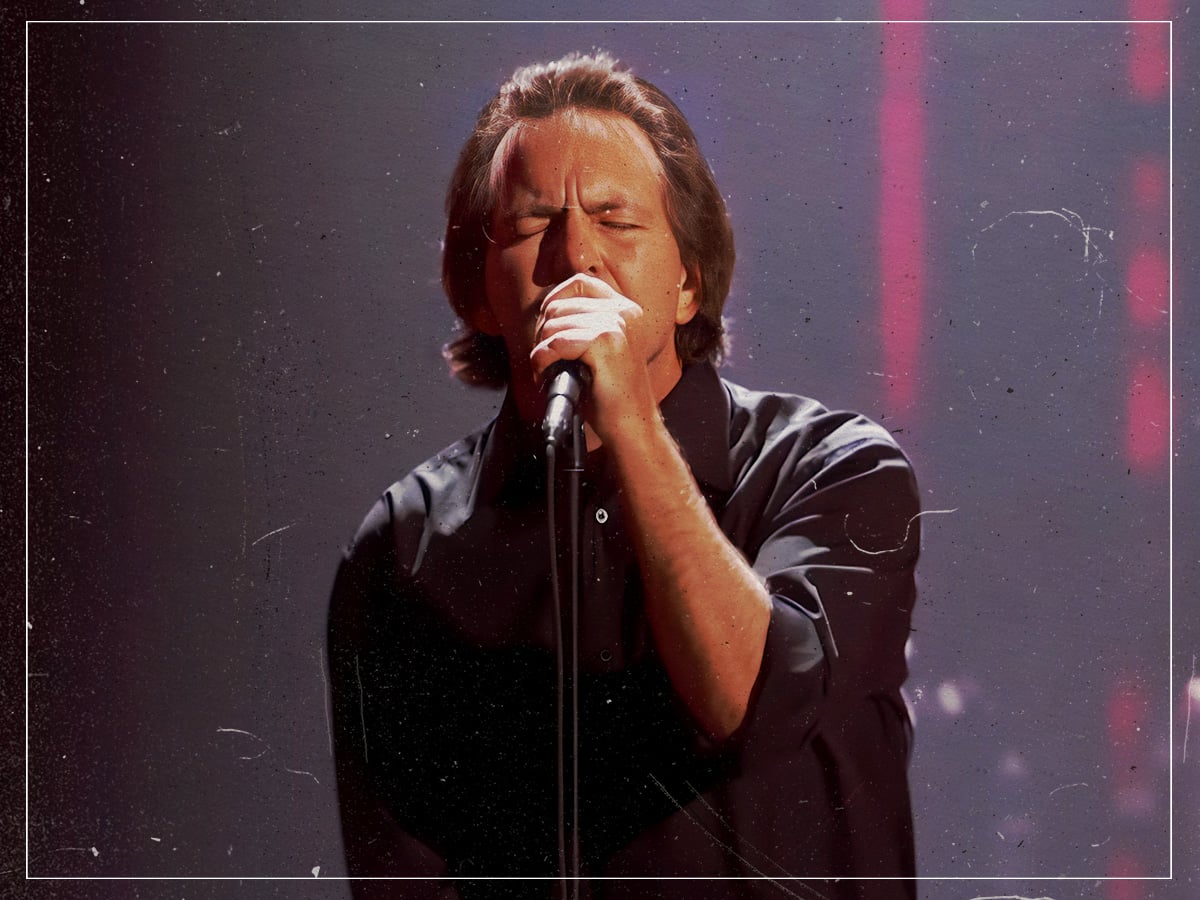
Once that curtain was pulled back, the process inevitably changed. Songs were no longer written in isolation but in conversation with an unseen crowd, one that was growing larger by the day. For a songwriter as introspective as Vedder, that awareness introduced hesitation where there had once been certainty, forcing him to question not just what he wanted to say, but how it would be received.
As the band started to gain momentum as part of the grunge movement, though, Vedder didn’t anticipate the massive adulation that would come with it. After becoming one of the biggest bands in the world, Vedder would later become uncomfortable when the band completed their second album, Vs.
Being far removed from their original setup, the frontman confessed to Howard Stern about how hard it was to come up with songs for the record, recalling, “For some reason, if [Ten] sold 40,000 records, it allowed you to make another. Then got to that point, and it just kept going and going. By the time the second record came on, you knew there was an audience there, and that’s when I felt a little pressure as to ‘could I say this?’ or ‘what would people think about me?’. Before I felt a little more free”.
Although Vedder admits that having a newfound audience was a good problem to have, it’s easy to hear him grappling with his fame on the record. By far Pearl Jam’s heaviest offering, most of the album has to deal with the band working out their own problems while also trying to hold onto their creative spark, as evidenced by tracks like ‘Blood’ and ‘Daughter’.
That kind of discomfort would go on to inform the band’s following records, with Vedder taking charge during the writing sessions for both Vitalogy and No Code. Although the band had shattered most of their expectations with their debut record, the future of Pearl Jam made Vedder feel more unsettled than excited.
