


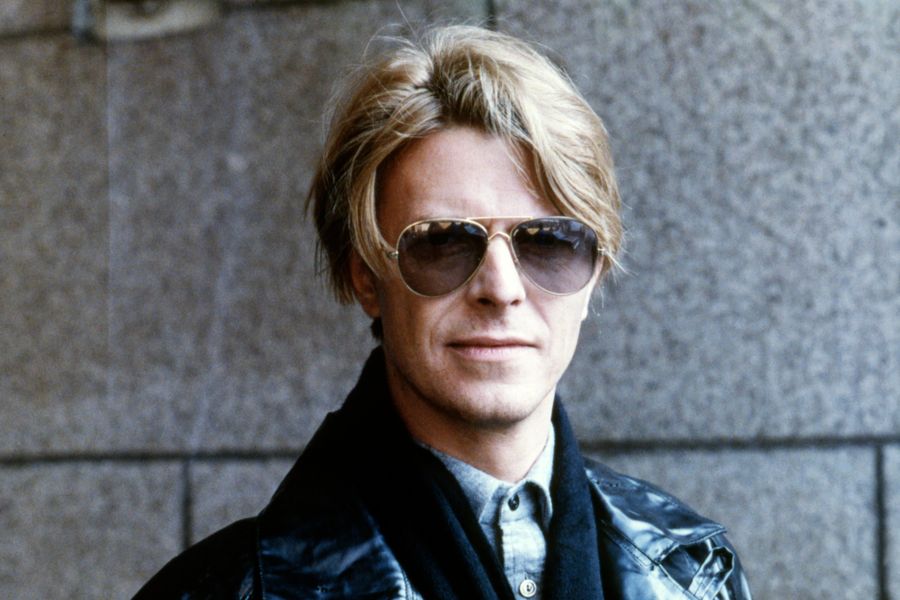
The album David Bowie called “One of the fundamental building blocks of rap”

Just because David Bowie never released one of those awkward attempts at a rap single (the same cannot be said of Blondie, sadly) that doesn’t mean he wasn’t inspired by the genre. Take his 1997 track ‘I’m Afraid of Americans’ for example, with its hefty hip-hop backbeat. Or what about the comments he made in the early ’90s about rappers being the only truly creative musicians in America? Even if he didn’t show it outwardly, rap clearly made a big impact on Bowie.
Back in 2003, Bowie wrote an article for Vanity Fair in which he named his favourite albums of all time. Asking a musician to set their musical tastes in stone poses significant problems, as they are likely to change their opinion from one day to the next. Instead of selecting perennial favourites, Bowie decided to select titles from the more obscure quarters of his record collection that have influenced him over the years.
The first album on Bowie’s list was released on the Douglas label in 1970. The Last Poet’s self-titled debut is a spoken word album combining the high-energy vocal style of Jalaluddin Mansur Nuriddin and Umar Bin Hassan with the complex rhythms of a virtuosic percussionist. Taught, unflinching and razor-sharp, Bowie would label the album “One of the fundamental building blocks of rap.”
The Last Poets – a name taken from a poem by the South African revolutionary poet Keorapetse Kgositsile – are inseparable from the radical black nationalist politics of the late 1960s. Kgositsile, after all, believed he was living in the last era of peaceful activism before the era of the gun and the firebomb took over. The group went through various incarnations, but the most influential was that led by Jalaluddin Mansur Nuriddin and Umar Bin Hassan, who, with songs like ‘On The Subway’ – later sampled by Digable Planets on their 1992 track “Rebirth of Slick (Cool Like Dat)’ – lay the foundations for the rap and hip-hop artists of the 1980s, who would continue to use their music as a way of awakening an apathetic public, of confronting the world and expanding the consciousness of their listeners.
“All the essential “griot” narrative skills, splintered with anger here, produce one of the most political vinyls to ever crack the Billboard chart,” Bowie said of The Last Poets, before drawing a connection between the album’s explosive lyricism and socially-conscious spokesmen like Gil Scott Heron, who also helped pave the way for the MCs of the rap era. Make sure you check out The Last Poets below, you won’t regret it.
