


The one album Bob Dylan thnks everybody misunderstood: “It was just a concept”

Very rarely do you get a consensus in music. Making a widespread proclamation usually invites a spar or two. A casual jost as your opinion is cut down for sport. But, say Bob Dylan is the greatest lyricist of the 20th century, and you’ll be largely met with agreement.
But that’s about all you can pin down about the great songwriter. The very nature of Bob Dylan and his songwriting means that, largely, his work is up for interpretation.
Although there are a few notable examples of Dylan overtly displaying his views on a topic – in the spirit of folk artists like Woody Guthrie, who first inspired him – the meaning of many of his songs remains debatable. Given the deeply personal nature of his songwriting and performance, many fans have drawn parallels between Dylan’s work and his personal life over the years, much to the annoyance of the songwriter himself.
Particularly during his early years, Bob Dylan’s folk songwriting came largely from his lived experiences. The same could be said of all great songwriters; after all, you write about what you know. It was this personal touch that established Dylan among the greatest songwriters of the 1960s, with his distinctive voice becoming almost inseparable from the counterculture era. The folk hero echoed the voices and opinions of thousands, but, of course, he was not going to stay like that forever.
Bob Dylan has had quite a few comebacks in his long and varied career. It seems as quickly as the singer was championed as one of the voices of his generation he was cast to the scrap heap of history too. Blood on the Tracks acts as one of the singer’s first required comebacks, and it lands with the weight of a champion boxer’s knuckles on your jaw.
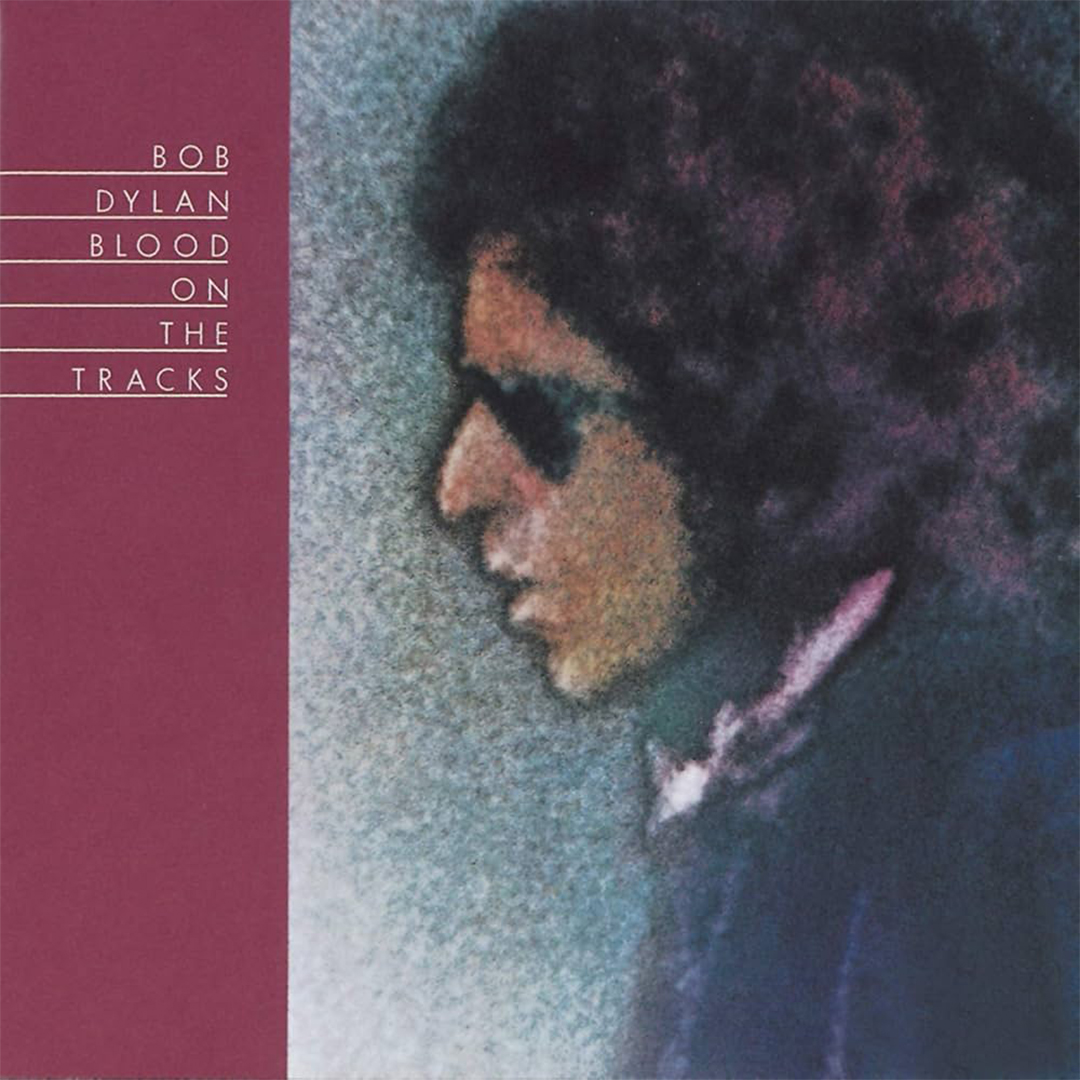
It was one of Dylan’s most personal albums and sees the singer kicking back at the industry, the audience and just about anyone else who would hear it. It’s one of the singer’s feisty pieces of work and is imbued with all the energy and effervescence of old, just this time with a devilish glint in his eye.
As his music career progressed and his life changed, Dylan’s composition began to take on a variety of styles and influences. To an extent, Dylan became more experimental in his songwriting, rather than simply writing about political struggles or reimagining old folk tracks. That change in the creative process of Dylan can certainly be felt within the tracklisting of his 1975 album, thought by many to be his most intimate offering.
Around the time of Blood on the Tracks, Dylan was going through a particularly tumultuous time concerning his love life. His marriage with Sara Noznisky had broken down, and the songwriter was struggling to handle his incredible level of success and notoriety. So, when looking at tracks like ‘You’re A Big Girl Now’ or ‘Meet Me In The Morning’, it is easy to draw parallels between the record and the lived experiences of Dylan at the time.
In contrast, Dylan has repeatedly claimed that Blood on the Tracks bears absolutely no relation to his personal life. Speaking about the track ‘Idiot Wind’, in particular, Dylan later recalled, “That was a song I wanted to make as a painting,” going on to explain, “A lot of people thought that song, that album Blood on the Tracks, pertained to me. Because it seemed to at the time, it didn’t pertain to me. It was just a concept of putting in images that defy time – yesterday, today, and tomorrow.”
It must be said that Dylan’s assessment of Blood on the Tracks is not particularly convincing there. The breakdown of a marriage is a colossal event in a person’s life, certainly not one that can easily be ignored, particularly if your job is as emotive as writing folk songs. Even if the album was not overtly meant to relate to his relationship struggles, those struggles and tensions are undoubtedly present on the album.
As with all forms of artistic expression, the original artist’s aims are not always relevant when discussing the meaning and significance of the piece. With Blood on the Tracks, Dylan might not have meant the record to reflect his estrangement from his wife, but invariably, the record is among his most heartfelt and melancholic, leading many fans to connect the record to themes of heartbreak and struggle in general.

Never Miss A Tale
The Far Out Bob Dylan Newsletter
All the latest stories about Bob Dylan from the independent voice of culture.
Straight to your inbox.