


‘Ako’: Hiroshi Teshigahara’s abstract portrait of youth

Japanese cinema experienced a massive explosion of raw and subversive art during the 1960s, led by the efforts of pioneers like Hiroshi Teshigahara. Deviating from the traditional frameworks of filmmaking that were formulated by their predecessors, Teshigahara’s generation wasn’t afraid to break the boundaries of the medium to create something original. In doing so, they ushered in one of the greatest artistic periods in the country’s extensive history.
Widely recognised as one of the leading figures of the Japanese New Wave, Teshigahara’s singular cinematic vision resulted in the creation of some of the most definitive masterpieces that represent the movement’s apotheosis. Dealing with existential themes and philosophical commentaries that perfectly captured the dynamic sociocultural environment of post-war Japan, his avant-garde body of work continues to inspire film fans all over the world.
One of the significant creative partnerships in Teshigahara’s influential career was his collaboration with the legendary author Kōbō Abe. Often referred to as Japan’s Franz Kafka, Abe’s literary investigations fascinated Teshigahara so much that he decided to adapt several works written by him. These adaptations, such as Woman in the Dunes and The Face of Another, ended up becoming Teshigahara’s most renowned films.
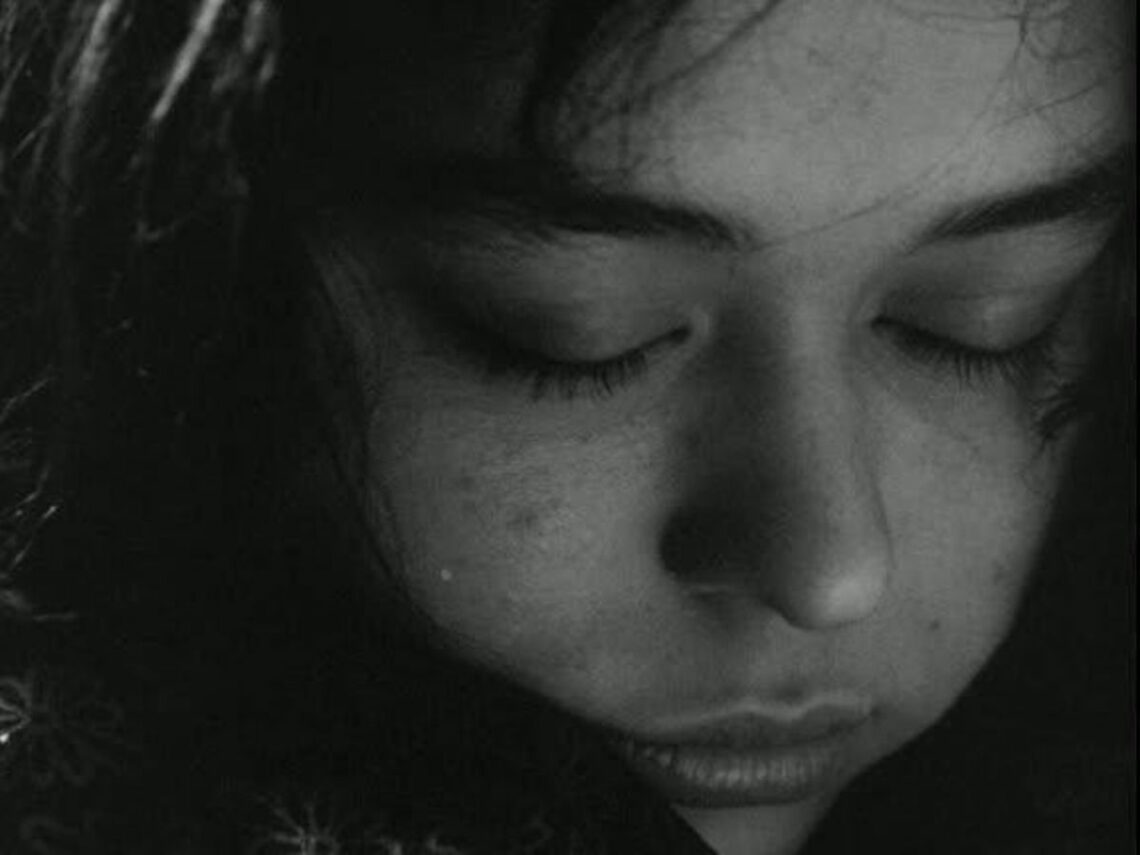
Despite the critically acclaimed nature of their partnership, there’s one joint effort that often gets left out of the conversation when we discuss the two artistic giants. Titled Ako (also known as White Morning), it’s a follow-up to Teshigahara’s seminal adaptation of Woman in the Dunes. Featuring a poetic screenplay by Abe, the film is an abstract portrait of the malaise experienced by Japanese youth and their violent disillusionment.
Chronicling their aspirations as well as their apprehensions about the traditions enforced by their parents, such as marriage, Ako follows the titular 16-year-old girl as she navigates the labyrinth of modernity. Evidently influenced by the revolutionary ideals of the French New Wave, Teshigahra’s work has an anarchic quality that pays homage to the experiments that were being conducted in Europe, especially through a spinning drum scene that is almost identical to the one in The 400 Blows.
While a lot of his work is rooted in avant-garde theory, Ako is unabashedly experimental as it eschews conventional narrative trajectories. Incorporating the disruptive cinematography of Yasuhiro Ishimoto and a radical soundtrack by Teshigahara’s frequent collaborator Toru Takemitsu, Ako constructs a frightening vision of the philosophical void that gives birth to permanently lost children, mercilessly robbed of a meaningful future.
Watch the film below.
