


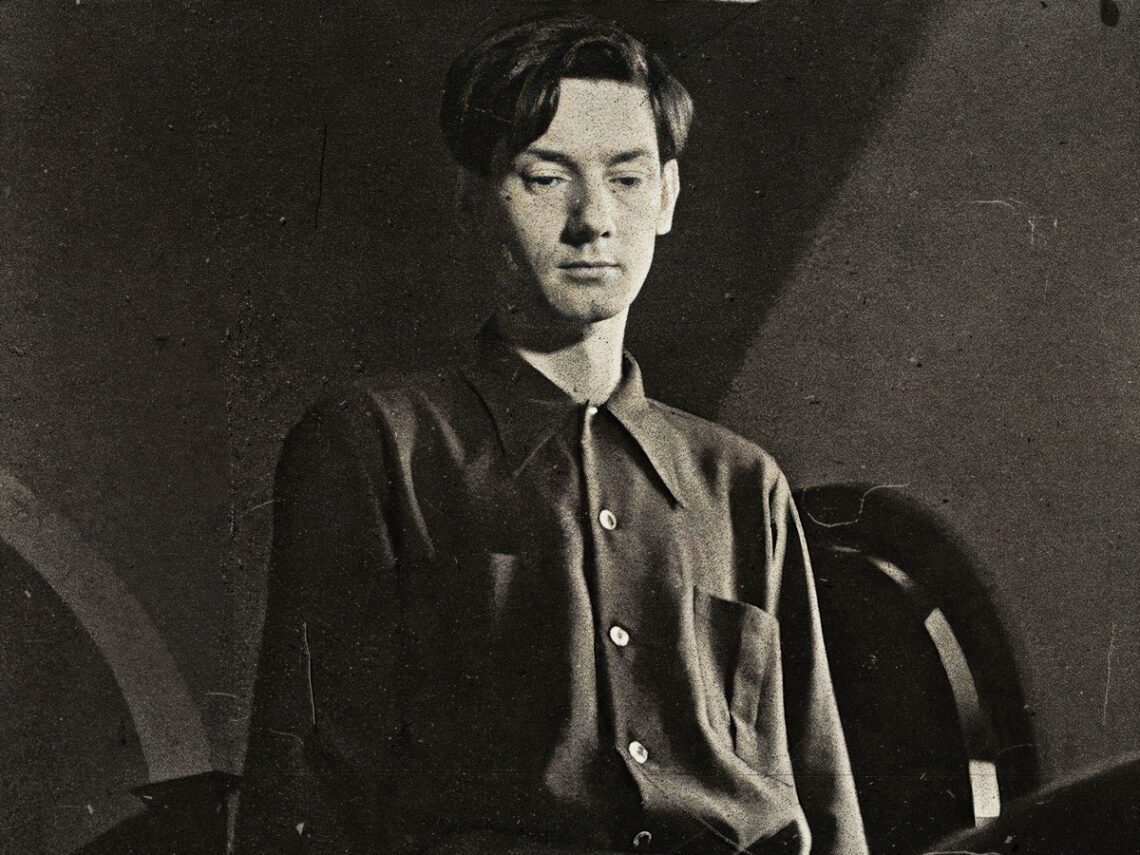
‘Aimless Walk’: the origin of Czech avant-garde cinema

The evolution of Czech filmmaking is a particularly interesting trajectory in the history of world cinema because of its direct connection to the sociopolitical developments that shaped the identity of the region. Like all bodies of art, it’s a highly nuanced and complex oeuvre that has several tangents and intersections, but one film is often seen as the starting point for the rich avant-garde traditions that began there: a 1930 work by none other than Alexander Hammid.
Hammid, who is primarily known for his incredible collaborations with his then-wife Maya Deren, was one of the most interesting visual artists of the 20th century. While he garnered more prominence after moving to the US, Hammid was also active in the landscape of European art during the 1930s. Involved in making documentary projects and advertising assignments at the Baťa Film Studio, Hammid’s unique artistic sensibilities coloured everything he touched.
When we think about avant-garde cinema from the Czech Republic, the Czech New Wave immediately comes to one’s mind. The 1960s was an especially important decade for cinema, with the emergence of distinct cinematic canons from various countries like France and Japan. Directors like Miloš Forman and Věra Chytilová helped redefine Czech cinema, but it was Hammid’s 1930 short that had set the ball rolling decades ago.
Titled Aimless Walk, Hammid’s film is often counted alongside the great city documentaries that explored the modern condition during the silent film era. Shot on location in Prague, it is almost inevitable that viewers will be reminded of Dziga Vertov’s Man with a Movie Camera while watching Hammid’s avant-garde visions but his images have their own stylistic identity and, consequently, a different aesthetic foundation.
Filmed with a hand-held camera that Hammid borrowed from a friend and made with the assistance of contacts he had in the city, this 1930 gem is a bold artistic statement that had a significant impact on the future of not only Czech cinema but experimental film in general. Like all the great cinematic experiences from the silent era, it’s the striking images that transcend the narrative and transport the audience to a completely different psychological space.
Revolving around the random movements of a mysterious protagonist through the city, Aimless Walk is strangely beautiful and simultaneously ominous. Capturing the volatile motion within a train to the gentle tranquillity of the motion of water, Hammid captures the duality of an urban existence that hadn’t yet been swept away by the irreversible changes of the future. It’s a look into a past which is in anticipation of our present, at least for modern viewers.
Watch the film below.
