


The invaluable acting advice Laurence Olivier gave Terence Stamp

When it comes to acting titans of the silver screen, so often, the physical appearance of a star swims first into the mind of the viewer. But even that word—viewer—reveals a shortsightedness when surveying an art form that has been just as salient to the ears for at least a century. To put it a little euphemistically, it’s a difficult lesson to grasp in a world of leading men and ladies sorted by their good looks and character actors who rise into notability based on their unique faces.
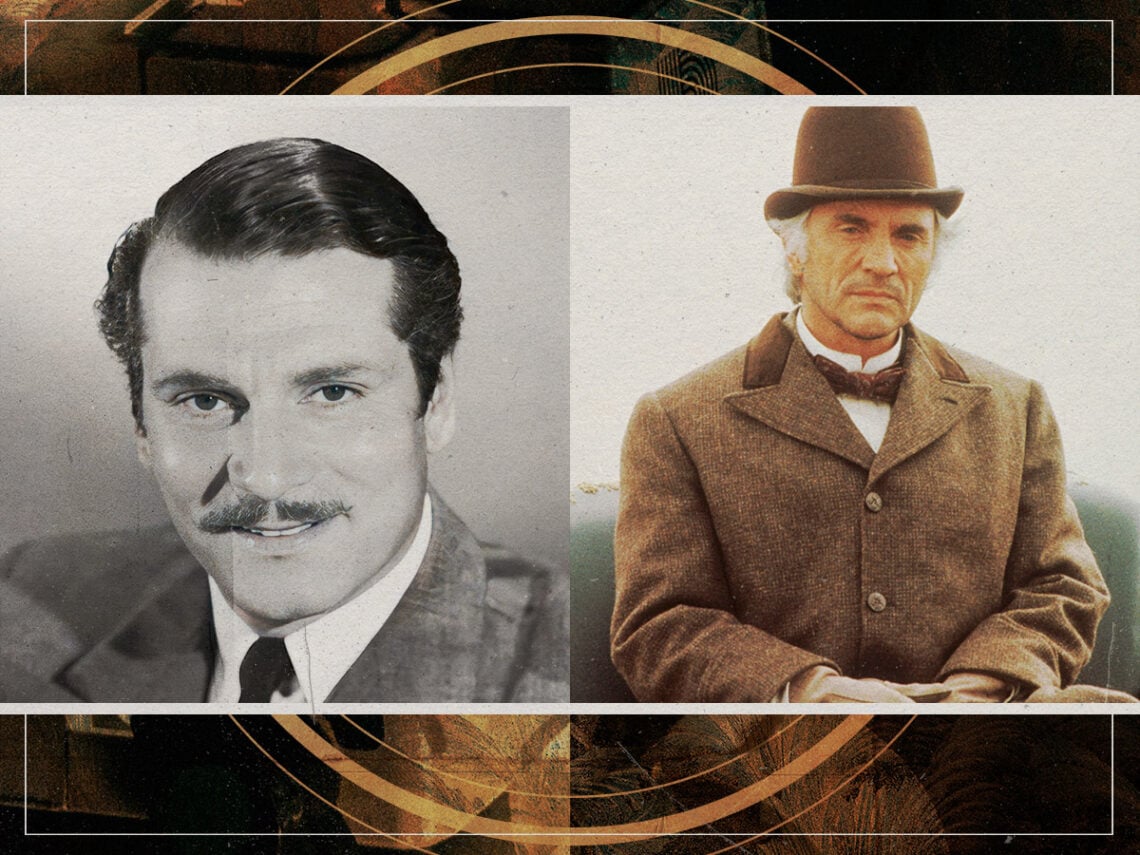
But it was one of the original deities of stage and screen who revealed the lie of that to a young Terence Stamp in his early years. Speaking to Filmmaker Magazine, Stamp revealed a piece of advice given to him by the legendary Laurence Olivier that he carried through the rest of his career: “Olivier had said to me when I met Olivier in my early years, he said to me, “You must always keep studying your voice, young Terence because as your looks fail, your voice will be empowered.”
It’s perhaps a testament to Olivier’s own history as a classically trained stage actor, for whom a strident and carrying voice is a necessary tool of the trade and, indeed, one that propelled him through a storied career. For Stamp, on the other hand, this advice meant focusing on a weakness. He had previously declined the role of King Arthur in Camelot, worrying that he lacked the vocal chops. The role went instead to the resonantly-throated Richard Harris.
“I felt like I would probably be re-voiced, and for a young actor, that could’ve been the end of my career, really,” Stamp said. “So I had good reason to be fearful, but the truth is, over the years, it’s the only project I wish I had done. And I often think about it, strangely enough. I think, “What a mark, you know? What a wonderful thing, at age 26, to have played Camelot?”
But in the decades that followed, Stamp said he took Olivier’s advice to heart and never stopped “studying” his voice, eventually finding the confidence to appear in a singing role alongside Camelot’s own Queen Guinevere (Vanessa Redgrave) in 2012’s Song for Marion (released as Unfinished Song in the United States).
“I thought, ‘My god, she played Guinevere, the character’s name is Arthur, and I get to sing’. So, I realised maybe this is the universe giving me a second try. And that convinced me, really. So, I was fearful about playing an old-age pensioner and of people knowing how old I was in reality; so, I was about to walk through a door that I wouldn’t be able to close. And I still had the problem of the singing. But the fact was that, during those years, I had never stopped studying my voice.”
Olivier himself said he owed much of his acting prowess to a childhood watching the performances of his preacher father, who would swivel from whisper to bellow in “quick changes of mood and manner”. It’s an art that can be seen in any of Olivier’s own performances that were caught on celluloid through the years, not least when he was let loose on a Shakespearean soliloquy.
