


‘All About the Levkoviches’ movie review: a touching but realistic overview of family relationship

Death and the grieving process are the catalysts for personal growth, understanding, and forgiveness in All About the Levkoviches—a sensitive, carefully crafted family saga. This first feature by documentary and television director Ádám Breier follows a script that engages understated drama, light comedy, and a touch of mystery to explore the many possible effects of loss, as represented by a divided Jewish family in Hungary. Following a tour of film festivals and limited release in Europe, it has recently been made available online.
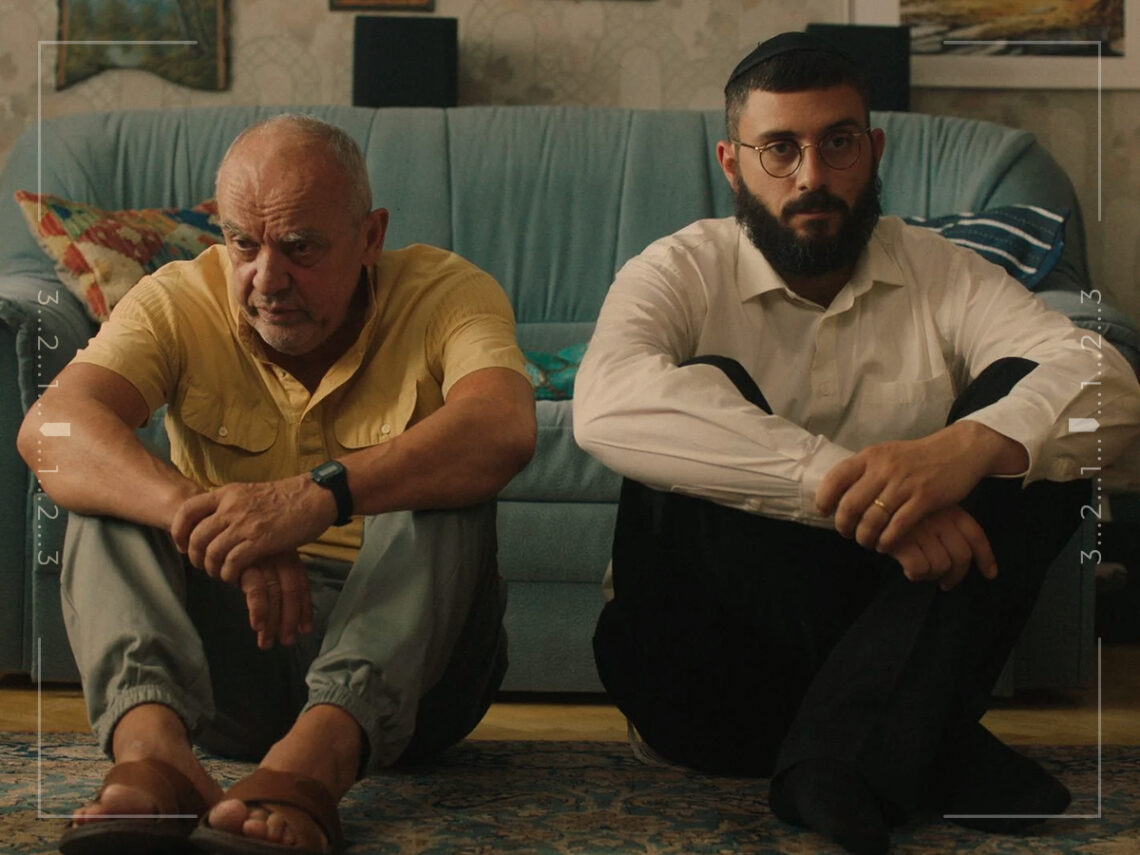
Tamás, played by Zoltan Bezeredi, is a brusque but good-natured man, a boxing coach and former athlete, who lives alone with his wife, Zsuzsa, played by Agnes Mahr. Their marriage is affectionate, and Tamás is liked by all, with one exception: his adult son, Szabó Kimmel Tamás’ Iván, who lives abroad.
No immediate explanation is offered for their lengthy estrangement, or the barely concealed hostility between father and son; that is gradually revealed as the story unfolds. Tamás talks affectionately via video chat with his little grandson, Ariel, played by talented child actor Leo Gagel, but any communication with his son Iván is only through Tamás’ wife. The cast is well chosen and believable, with Bezeredi’s naturalistic performance as the stoic Tamas serving as the centrepiece.
Their situation comes to a head when Zsuzsa unexpectedly dies. Iván, feeling obligated to be present for the funeral preparations, travels to Hungary with Ariel and takes charge of the mourning process in Tamás’ home. It is a comically uncomfortable arrangement, given their estrangement, Tamás’ contempt for the devout Iván’s insistence on traditional Jewish funeral customs, the mild confusion of the largely gentile neighbours and friends, and little Ariel’s innocent but difficult questions. Alongside, Tamás’ unconventional methods of coping with death also cause some misunderstandings.
The story slowly makes way, and pertinent facts about Tamás and Iván are revealed in an interesting manner. The minimal dialogue does not provide full explanations, leaving the viewer to piece together why certain words or statements cause the father and son to bristle or become distant, or why certain subjects are avoided. At the same time, the camera does much of the talking, following the trivial actions of one character, the facial expressions of another, even the condition of certain objects in the home, to suggest what is going on beneath the surface. The tone is also surprising, a careful balance of drama with comedy, finding the natural humour in human interactions, even under the saddest conditions.
When Ariel begins to cope with the loss of his grandmother by insisting her ghost is present in the room and speaking to him, the boy’s father and grandfather are reluctantly drawn together to help him. From here, the film provides a slow-paced revelation of the family’s history, their past losses and tragedies, and the ways each family member was affected, shown from both Tamás’ and Iván’s perspectives.
The father and son begin to open up to one another, sometimes painfully, sometimes with rough humour, all the while concern for young Ariel helping the process along. As the story moves further into the family’s slowly unfolding past, the audience is able to work out what is really going on between the men even as reconciliation seems hopeless.
The film is successful partly because every character, regardless of background or personality, is made entirely relatable. The final act, and especially the wry over-credits scenes, lend a touching but realistic overview of family relationships and all they may entail, including unexpected baggage. It deals especially well, and in a neatly understated way, with grief and trauma, the many forms it can take, and the many ways people may have of dealing with it.
