


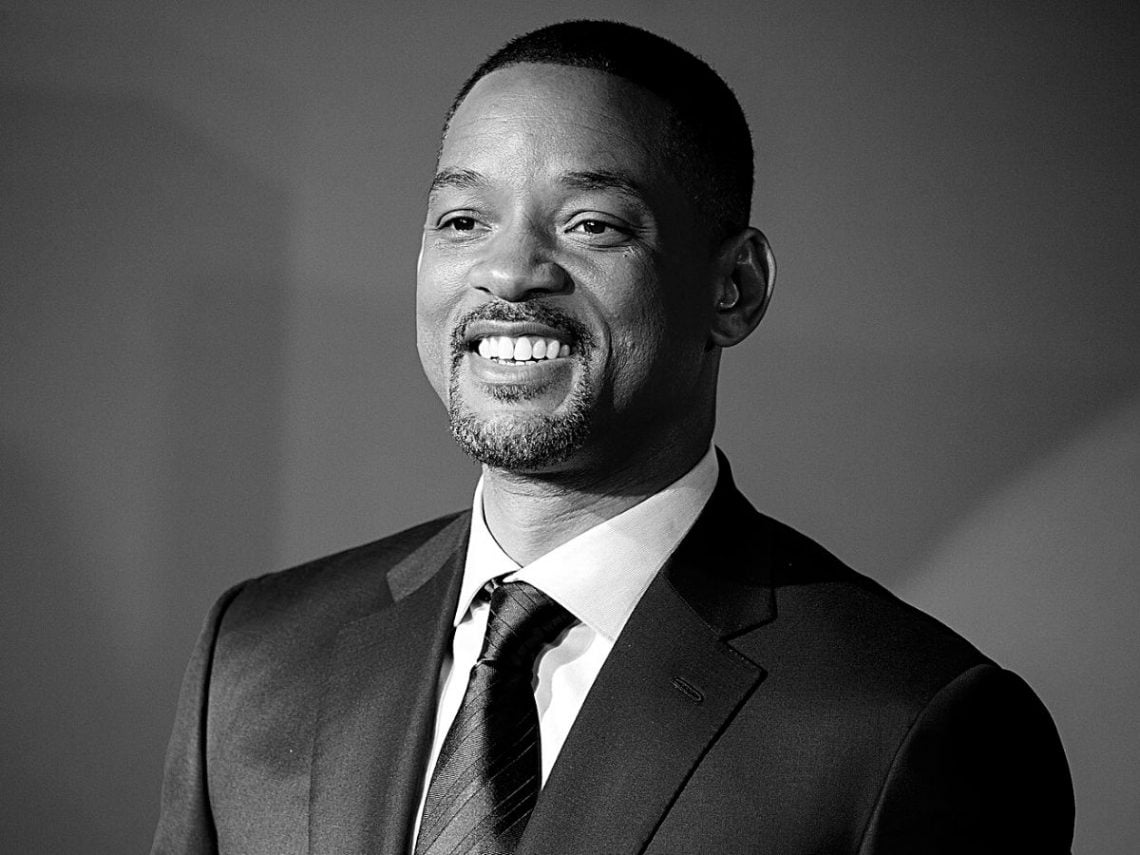
The act of deliberate directorial sabotage that advanced Will Smith’s career

Careers in Hollywood very rarely follow a simple path. Instead, they tend to be long, winding roads to a future which is never certain, with endless diversions, missteps, crushing defeats, and lucky breaks. Sometimes, though, a star’s path can be advanced by an act of sabotage from a collaborator that seems hilarious in hindsight but will probably still irk the person who found themselves on the losing side of the deal. This very scenario worked out nicely for Will Smith’s career in the late 1990s – and he nabbed one of his most iconic roles in the process.
In the early ’90s, Barry Sonnenfeld graduated from being the Coen Brothers’ regular cinematographer to working as a director in his own right. He helmed the hugely successful Addams Family movies in 1991 and ’93, and this led to Steven Spielberg’s Amblin Entertainment contacting him about a comic book adaptation it had in the works.
The adaptation was Men in Black, based on an obscure comic published in 1990 by Malibu Comics. Ed Solomon of Bill & Ted’s Excellent Adventure fame was tasked with crafting the screenplay about a pair of black-suited government agents who secretly hunt down the alien scum of the universe. Sonnenfeld was attached to the project for a while but eventually dropped out to direct the John Travolta crime comedy Get Shorty. After that film, though, he was roped back into Men in Black, and this is when Spielberg suggested who he wanted to play Agent J, one of the leads.
Spielberg surveyed the lay of the land in mid-’90s Hollywood and decided Chris O’Donnell was the star Men in Black needed. He had become prominent thanks to films like Scent of a Woman and The Three Musketeers, and then went stratospheric as Robin in Joel Schumacher’s uber-hit Batman Forever.
In 2017, Sonnenfeld told HuffPost that Spielberg insisted he, “had to go to dinner with Chris and convince Chris to be in the movie.” Sonnenfeld wasn’t convinced O’Donnell was right for the part, though, and even had someone else in mind: Bad Boys and Independence Day star Will Smith. As he prepared for his dinner engagement with O’Donnell, he racked his brain about how to get his own way without upsetting O’Donnell or Spielberg. The solution? Deliberate sabotage.
Sonnenfeld chuckled, “I told Chris that I wasn’t a very good director, and I didn’t think the script was very good, and if he had any other options he shouldn’t do Men in Black.” Amazingly, his web of lies and faux self-criticism had the desired effect: O’Donnell let the production know the very next day that he wasn’t interested in playing Agent J.
Having successfully shepherded O’Donnell away from his film, Sonnenfeld then secured the services of the star he truly wanted. He found out that Smith was at a wedding in Philadelphia, so he arranged for a helicopter to fly the star out to New York for a meeting with he and Spielberg. He revealed, “Will and Steven hit it off, so that’s how I got Will Smith to be in the show.”
After Men in Black grossed nearly $600 million in the summer of 1997, Smith’s status as a leading man was solidified forever. O’Donnell, on the other hand, suffered the ignominy of being a part of Batman & Robin, the reviled fourth entry in the franchise, before taking two years away from the big screen. When he returned with Cookie’s Fortune and The Bachelor in ’99, his potential as a bankable leading man had seemingly gone up in smoke.
Was this Sonnenfeld’s fault? Of course not. But did his act of directorial subterfuge not do O’Donnell any favours? Undoubtedly.
