


The “absurd” thriller Roger Ebert called worthy of “the annals of cinematic goofiness”

Sometimes, despite the best of intentions, bad movies happen to good people. Take the late, great Ray Liotta, for example. In 1990, he starred in Goodfellas, one of the greatest motion pictures ever made.
However, he followed it up with a succession of middling thrillers that didn’t light the world on fire, before hitting arguably his cinematic nadir with a 1996 sci-fi thriller that Roger Ebert tore to shreds for its absurd plotting and laughably po-faced sincerity.
Unfortunately for Liotta, his post-Goodfellas years immediately called into question the leading man bona fides he’d seemingly established in Martin Scorsese’s Mob epic. He only enjoyed one hit: Unlawful Entry, a potboiler in which he played a psychopathic cop who becomes obsessed with Kurt Russell’s wife. Other films, such as the comedy-drama Article 99, sci-fi-actioner No Escape, and the war comedy Operation Dumbo Drop, either outright flopped or barely made their money back at the box office.
When Liotta signed up for Unforgettable, though, he must have thought he was onto a good thing. For one thing, the movie was being helmed by John Dahl, an expert in neo-noir whose last two movies, Red Rock West and The Last Seduction, had been critical darlings. It would co-star Linda Fiorentino, re-teaming with Dahl after her breakout role in Last Seduction, and support would come from Peter Coyote (ET the Extra-Terrestrial) and Christopher McDonald (Happy Gilmore).
Liotta likely thought this level of talent would help sell the story, which was, if nothing else, an incredibly unique twist on the standard thriller plot of a wrongfully accused man trying to prove who killed his wife. In Unforgettable, Fiorentino’s scientist discovers that rats store their memories in their spinal fluid, and if she injects that fluid into another rat, it absorbs the first rat’s memories.
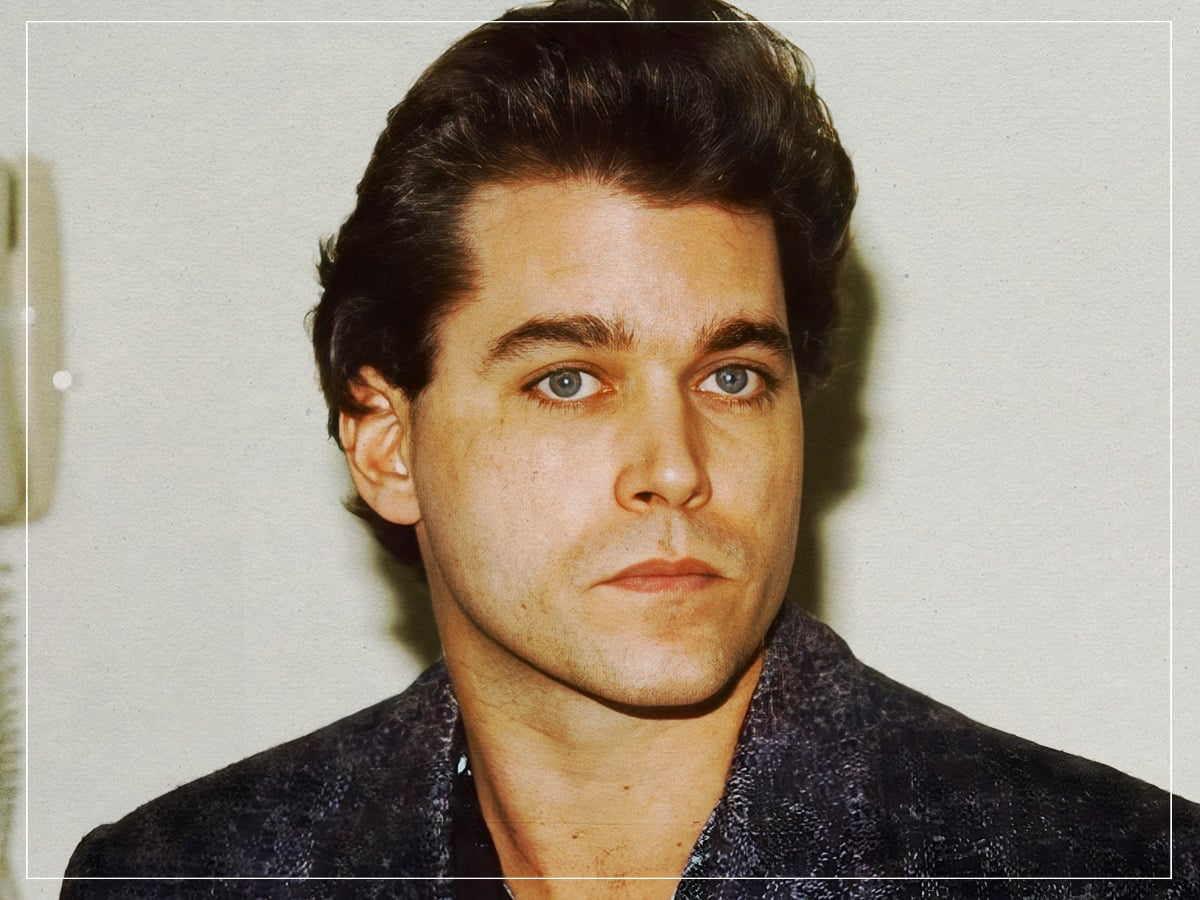
Liotta sees this as a chance to find the true culprit and clear his name, so he injects himself with his dead wife’s spinal fluid – which, for some reason, has been kept on ice in a police evidence room – and witnesses her murder in his mind’s eye.
As far as movie pitches go, it’s a doozy, even if it boils down to little more than pseudo-science claptrap with no basis in reality. Then again, lots of movies are based on even crazier concepts, and they work out just fine. To Liotta’s chagrin, though, nobody involved with the film could ground its wacky concept enough that it could be taken remotely seriously, and when Ebert got his mitts on it, he was ruthless in his assessment.
“In the annals of cinematic goofiness, Unforgettable deserves a place of honour,” Ebert wrote in his one and a half star review. “This is one of the most convoluted, preposterous movies I’ve seen.” He lamented how the movie contrived “a moment when a character’s life flashes before her eyes,” before witheringly declaring this was “more or less what was happening to me by the end of the film.”
In truth, for Ebert, Unforgettable was simply a classic case of good people inadvertently making a stinker. He considered Dahl “a master of noir”, felt Liotta and Fiorentino were good actors, so the film seemed like “a package with quality written all over it.” Imagine his dismay, then, when it turned out to be a “mess.”
Ironically, perhaps the very thing that Liotta, Dahl, and company did in an attempt to ground Unforgettable became the very reason it didn’t work. By instructing his actors to play the material completely straight, with grave faces and nary a wink at the camera, Dahl made them look sillier than if he’d embraced the inherent absurdity of the premise.
“At least in the old horror films, the actors knew how marginal the material was and worked a little irony into their performances,” Ebert concluded. “Here everybody acts as if they’re in something deep, like a Bergman film…That makes it all the more agonising.”
