


‘Rumours’, 1976, and a timeline of the wildest year in Fleetwood Mac history

Friction within bands is pretty common. It doesn’t matter what genre you’re looking at, be it prog-rock, rock or indie, there are some universal factors that can lead to band members despising one another.
These range from creative differences to the pressures of touring to an overindulgence of various substances to tricky relationships within the band itself. Any of these can lead to the downfall of great groups, so bands need to be careful when navigating them. Fleetwood Mac were anything but that, as every single one of the aforementioned problems (and then some) plagued the band and led to their eventual split.
While conflict can create a lot of problems within bands, it can also lead to the making of some pretty good songs. This is exactly what happened with the album Rumours, as while a lot of the drama behind the scenes eventually led to the band’s demise, they also inspired some of the most popular songs that the group would ever make. Even now, if you play some of these classics, you’d be hard-pressed to find a dance floor that won’t fill within seconds.
So, what actually happened? To fully give you a backstory behind what is one of the greatest albums of all time, this is a timeline about the events that led to the beautiful songs. No rumours here, it’s all true.
A timeline of Fleetwood Mac’s making of Rumours:
1975
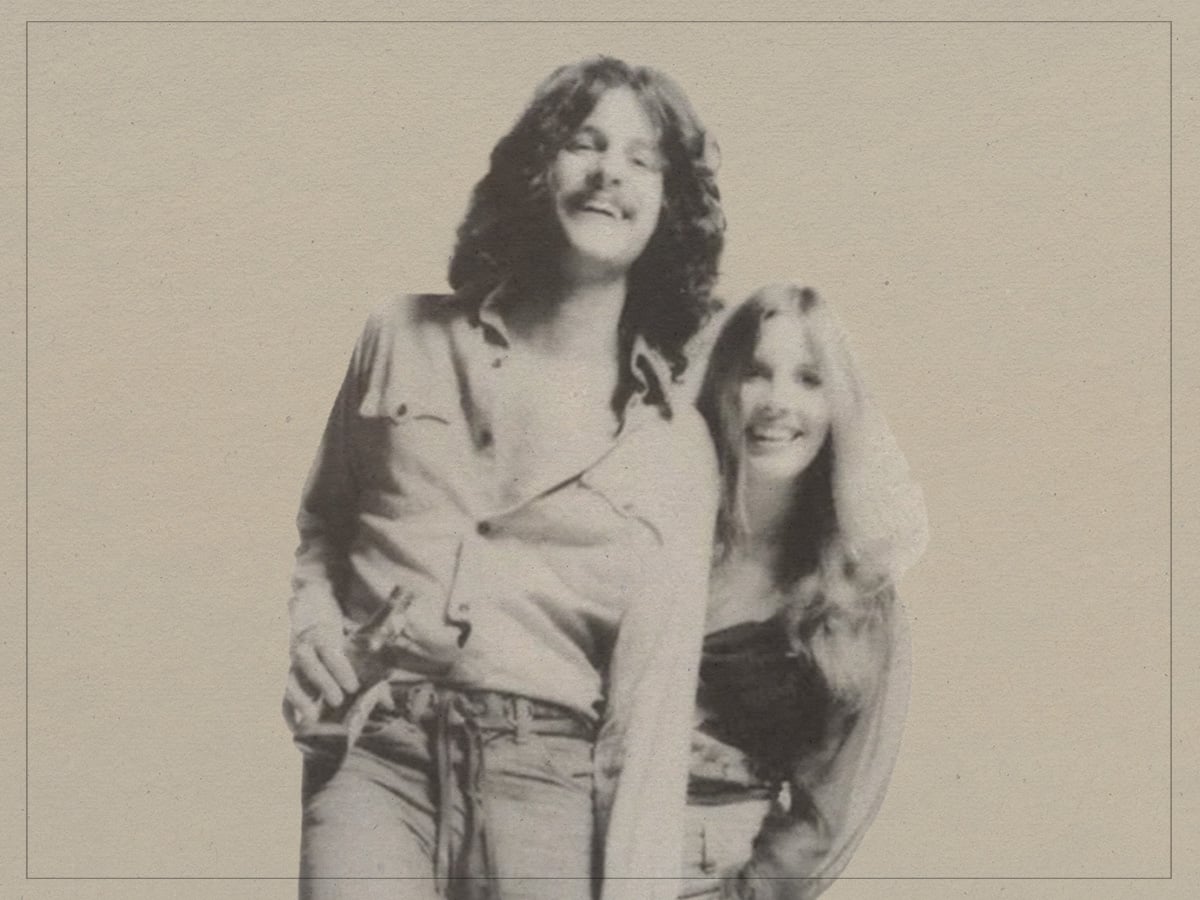
Stevie Nicks and Lindsey Buckingham join Fleetwood Mac
When Stevie Nicks and Lindsey Buckingham first met the members of Fleetwood Mac to join their lineup, Buckingham wasn’t very convinced.
However, Nicks knew that, after everything, this was their shot, and poured everything into making a good first impression.
Her passion and knowledge paid off, and the pair were given their blessing before getting their heads down to work on their first record in the group, 1975’s Fleetwood Mac.
July 11th, 1975

Fleetwood Mac released, sells one million copies
Fleetwood Mac was released to critical acclaim, a pivotal moment that also brought the band closer than they’d ever been before.
As Nicks later reflected to Mojo, “Lindsey and I were a little bit on the rocks when we joined. But making the album pulled us together. We healed the wounds in our relationship, because things were going way too well to consider a break-up.”
1976

Two divorces
Rumours would be the band’s most successful record, but its excellence stemmed from fractured relationships between the members.
In early 1976, John and Christine McVie divorced, with Mick Fleetwood and Jenny Boyd also calling it a day on their relationship, giving the new material plenty of fodder for matters of the heart.
February, 1976
Band begins recording at The Record Plant
Wanting to keep the momentum from previous successes, the band started recording sessions at The Record Plant in California, with Nicks’ ex-flatmate Richard Dashut and former Warren Zevon engineer Ken Caillat co-producing.
However, with the band living in close quarters, and Nicks growing closer to Christine McVie, things started to get heated, with the others staying in one house and Nicks and Christine renting another.
March, 1976

Stevie Nicks and Lindsey Buckingham break up
According to Buckingham, Nicks and Christine’s close relationship is partially to blame for his crumbling relationship with Nicks.
As he later reflected, Christine had just called things off with John, and so pulling Nicks in closer only encouraged her to re-evaluate her own relationship with Buckingham.
March, May, 1976
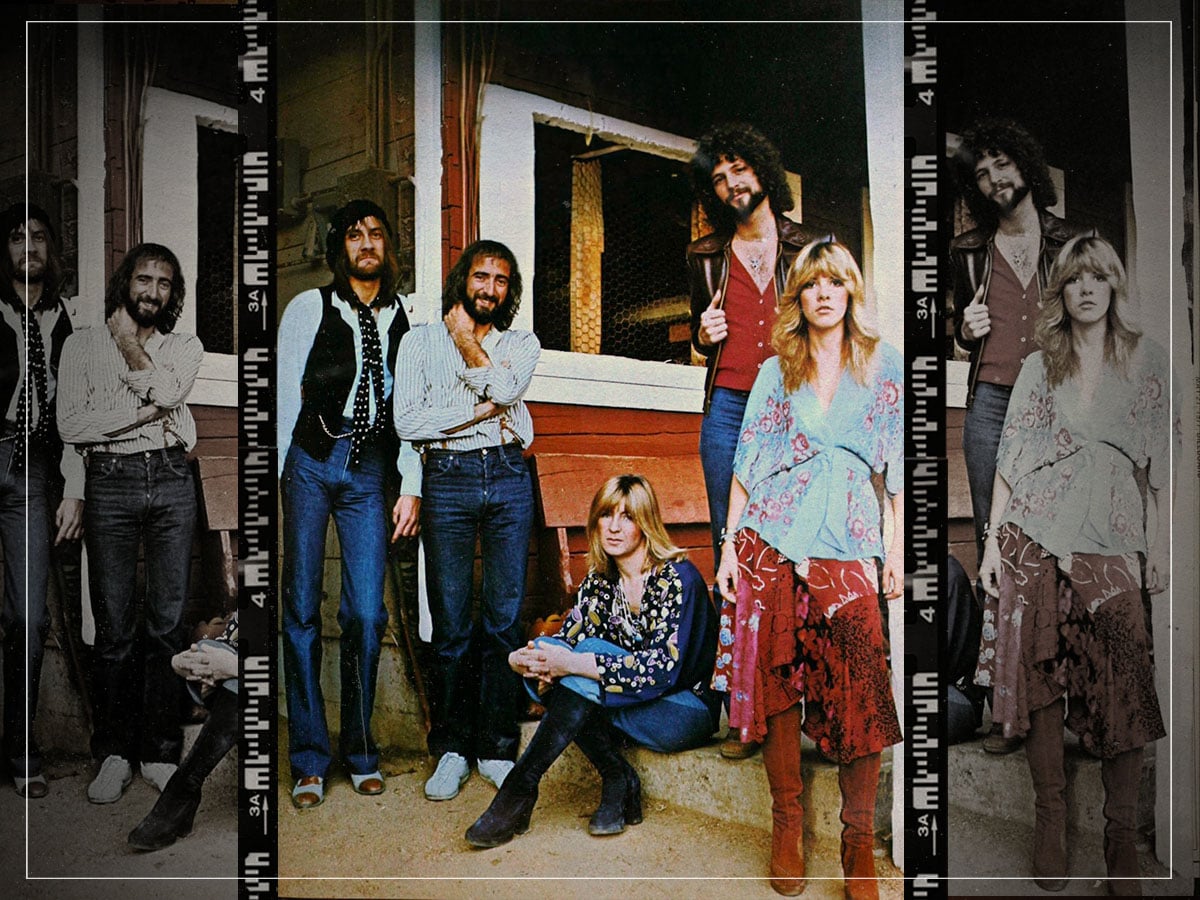
The songs begin to take shape
Funnily enough, the members of Fleetwood Mac weren’t all that great at communicating during the sessions for Rumours.
Instead, they aired their grievances through song, communicating their issues by channelling them into major career-defining hits, like ‘Go Your Own Way’, ‘Dreams’, and McVie’s ethereal ‘You Make Loving Fun’.
Late 1976

Final mixing and title change
Before John McVie suggested the title Rumours, the record was going to be called Yesterday’s Gone.
However, John also felt that the song lyrics they’d written sounded more like diary entries and newspaper headlines, and suggested they switch it to Rumours, which ultimately became the perfect reflection not only of the music but of that specific period of time in the band’s trajectory.
February 4th, 1977
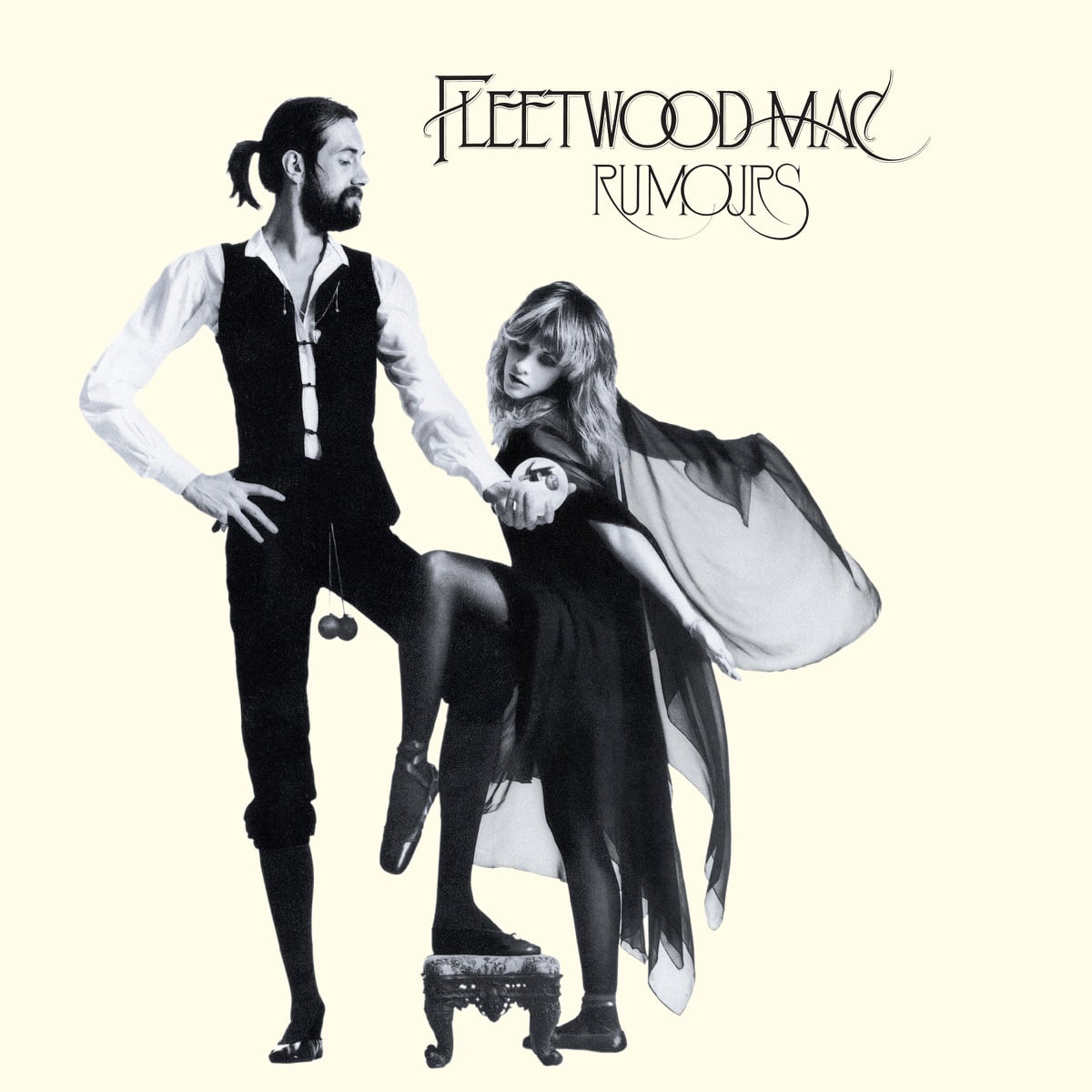
Rumours is released
The band’s magnum opus was released in February 1977 to critical acclaim.
Despite all the hard work (and personal hardship), it ultimately paid off, and the record spent a staggering 31 weeks at number one, while also achieving lasting cultural impact.
February 24th, 1977

The band begin the Rumours tour
Shortly after the album was released, Fleetwood Mac kicked off the Rumours tour in America, before heading to Europe, the UK, and Japan.
During the later leg of the tour, Nicks and Fleetwood entered a romantic relationship, but kept it a secret until after the tour.
Across these dates, the band also continued excessive drug use, a choice that would later define that entire period of each of their careers.
