


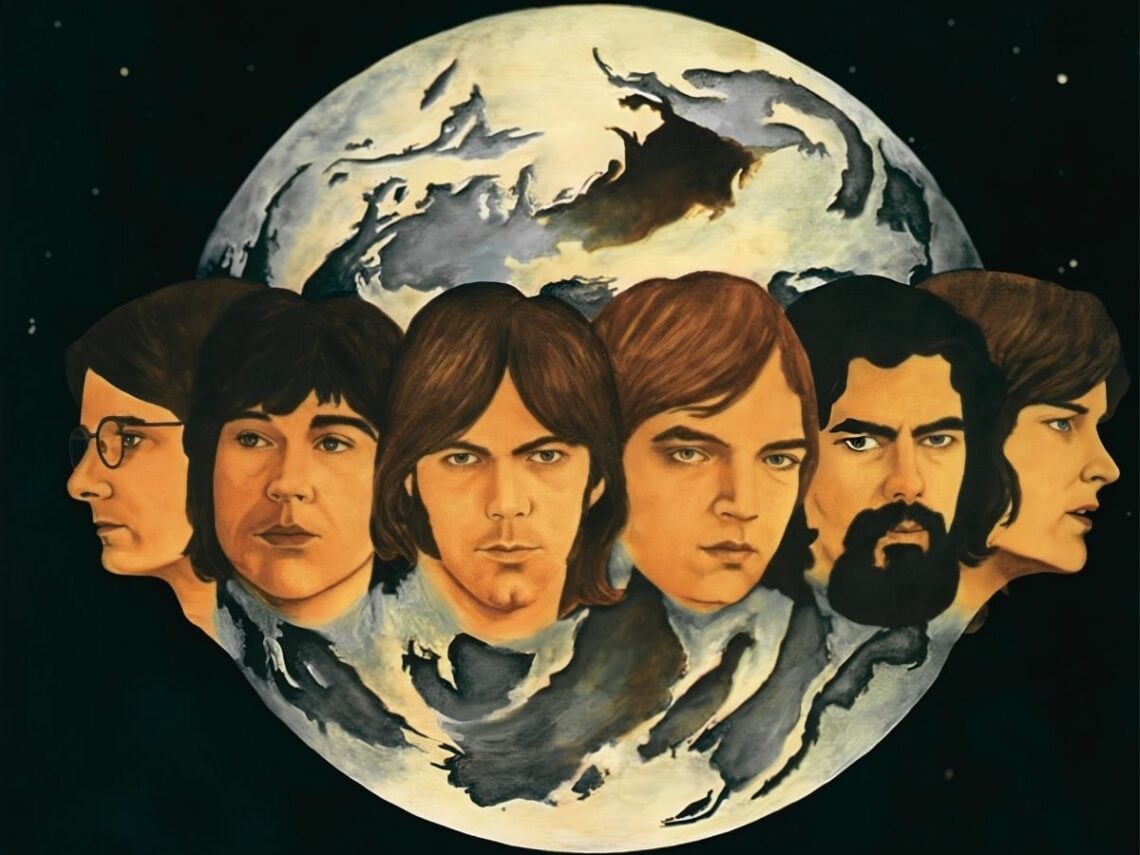
Rare Earth: Motown’s failed attempt to break into the rock market

Motown Records is inseparable from the world of funk and soul. From its formation in 1959, Berry Gordy’s label produced a wealth of now-iconic soul stars, from Diana Ross to Stevie Wonder. Although the label was born from a noble quest to bring Detroit soul to the masses, Gordy has always been a businessman more than an artist. So, when the label boss realised an opportunity to capitalise on the rapidly developing world of rock and roll, he quickly set about forming a subsidiary label named Rare Earth in the hopes of bringing some rock into the Motown sphere.
Rock music has had a presence on the Motown label since its early days. In 1959, for instance, Gordy released ‘Ich-I-Bon #1’ by the surf rock outfit Nick and the Jaguars, making them the first white act to release a record through Gordy’s label – then operating under the Tamla name. However, that single failed to chart and quickly fell into obscurity. So, when the label achieved its first significant hit in the form of Barrett Strong’s ‘Money (That’s What I Want)’, it was obvious that Motown’s focus would be placed on soul and R&B music, or the ‘Motown sound’ as it was dubbed during the 1960s.
As the decade progressed, with acts like The Supremes and Smokey Robinson making Gordy and Motown a very rich operation, the label boss sought to expand his musical empire. In addition to swallowing up various smaller soul labels, like Ric-Tic and Golden World Records, Motown established multiple subsidiary labels, each focused on a particular type of music that did not fit into the idea of the ‘Motown sound’. In 1962 alone, Gordy founded the subsidiaries Mel-o-dy Records, Workshop Jazz, and Divinity in order to release country, jazz, and gospel music, respectively.
Rare Earth arrived some years later, in 1969. Taking its name from the Detroit blues rock outfit who signed to Motown after a fairly lacklustre debut album, the subsidiary label gave Gordy and Motown a way into the blossoming rock market. After all, rock was the definitive sound of the late 1960s, with the hippie ‘peace and love’ age dominating popular culture and countless iconic rock bands establishing themselves in the wake of this cultural revolution.
This newly established label was headed up by Harry Balk, whose own independent label, Impact Records, had been purchased by Motown in 1968. Reportedly, the label’s first release was meant to be ‘Private Sorrow’ by the English rock outfit Pretty Things. This would have made the group the first British act to sign to Motown, but the key word in that sense is ‘would’. Rare Earth was plagued by mismanagement and a lack of attention in comparison to the core Motown label.
Rare Earth continued to release rock, predominantly blues and progressive rock, during the early 1970s, but its namesake quickly became its defining act. The blues rock band was arguably the only consistent highlight of the subsidiary label’s tenure, and tracks like ‘Get Ready’ became highlights within Motown’s late 1960s output. Other acts, such as R Dean Taylor, who had struggled for attention on Motown, found mainstream success under the Rare Earth umbrella, but the label did not last long enough to have the same impact as its big brother label.
By the mid-1970s, Rare Earth had largely been resigned to reissuing tracks from other Motown subsidiaries for the European market. Notably, the northern soul classic ‘The Night’ by Frankie Valli and the Four Seasons was distributed across much of Europe under the Rare Earth imprint – apart from the UK, where it was issued under Mowest.
When 1973 rolled around, Rare Earth had been reduced to an incredibly limited roster, and Gordy had almost entirely lost interest in the project. For a few years, the label existed only to release records by the band Rare Earth and in 1976, it shut up shop for good.
By the high standards set by Motown’s success, the Rare Earth project was a failure. The label lacked the experience needed within the rock landscape, and it suffered as a result. However, the label’s repertoire does feature some gems, and the existence of the subsidiary reflects Gordy’s tireless dedication to music publishing.
