


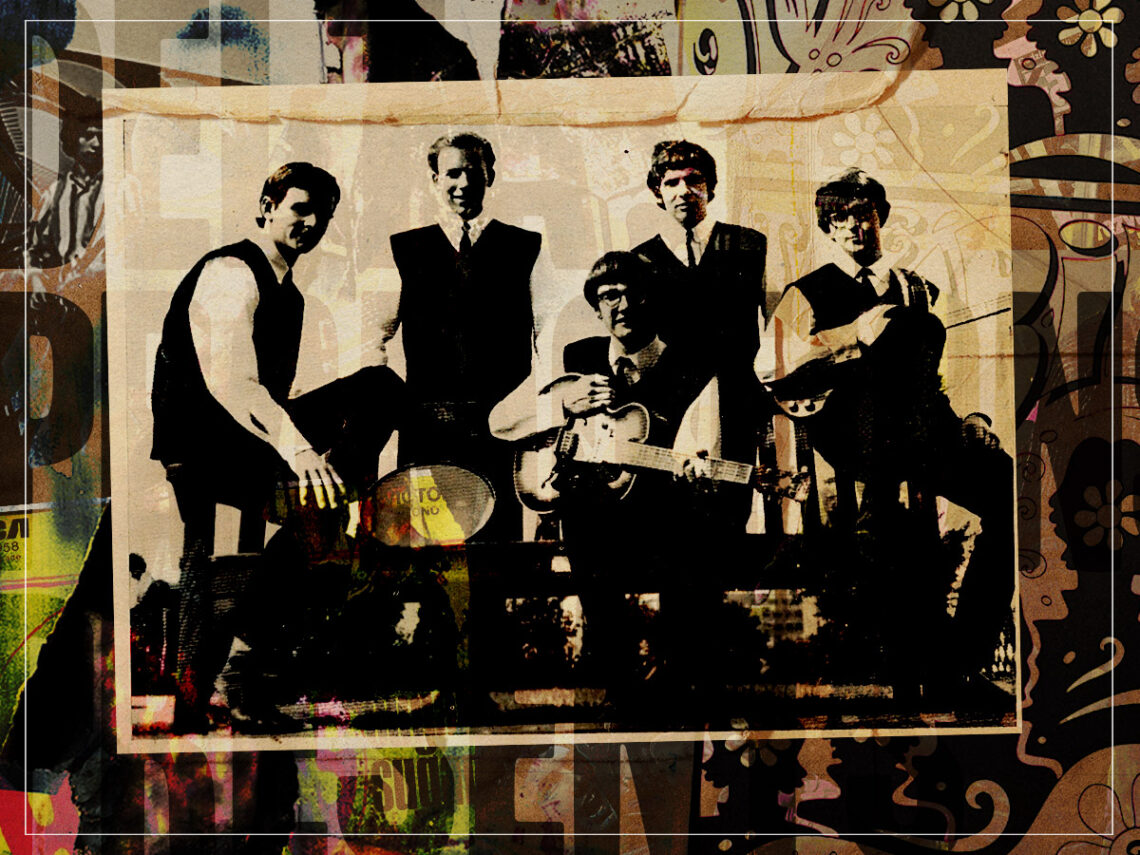
Delta Promotions: The company responsible for a string of fake bands

The music industry is still profitable; however, it used to be even more so. In the 1960s and ‘70s, as physical media was the driving factor behind album sales and audiences were excited to see genre-defying bands worldwide, musicians were some of the world’s richest people—and who was even wealthier than them? Their bosses.
Record labels, events companies, and management organisations were persistently raking in money thanks to the acts they worked with. This meant that if a band split up or refused to continue working together, it was a massive blow to the bank account. Organisations wanted to do everything in their power to ensure that the musicians who worked for them continued to do so, and this meant breaking the rules occasionally.
Delta Promotions was a music company attached to several high-profile bands, such as The Zombies, The Animals, and The Archies. They were able to capitalise on the demand for these groups, but when each of them either broke up or stopped touring, the opportunity to capitalise no longer existed. So, Delta Promotions thought up a way around it.
This was before the days of social media and the internet when journalism was much more localised, and images in the press were often grainy and hard to make out. Delta took advantage of all of this and decided to create fake versions of the bands they were attached to rather than call it a day when some of these bands went their separate ways.
When The Zombies split, they had a hit song in the US in ‘Time of the Season’, which had been re-released by their label in America. When it charted, there was a demand for the band, but they weren’t together anymore, so the label couldn’t put them on tour. Rather than fret, Delta Promotions created two fake versions of the band and had them tour the country simultaneously, paying the musicians to put on a front very little and raking in the rest of the money themselves.

As Chris White from the Zombies noted, they were “taking money from our fans and dragging down our reputation.”
They did this with The Archies and The Animals, too, as fake bands would travel up and down the US, making money from touring, performing music that wasn’t theirs, and making those telling them to do it a fortune in the process. It was The Animals who eventually put a stop to the madness, as when reports started to come through about the sham, Eric Burdon, the band’s singer, took matters into his own hands.
With a group of friends and a baseball bat, he headed to one of the gigs to beat up the band who were impersonating his outfit. Here, he discovered the whole story and was able to confront Delta Promotions about it.
Chris White of the Zombies had a more challenging time clearing the band’s name when he found out about the fake versions of themselves who were currently touring. He took a slightly less direct approach towards confronting the band, as rather than going to their gigs and threatening them, he decided to simply warn radio stations and promoters about the imposters, but this didn’t always work.
“I said, ‘Well, it’s not the real Zombies, we are here’. They said, ‘We don’t know, you might be the fake Zombies. How do I know you’re really Chris White?'” said White, discussing the hardships that came with clearing their name. “That’s when we decided to go back and do the third album and establish that we were alive.”
Rod Argent of the Zombies was equally frustrated with the fake band running around as he knew they were taking advantage of the band’s current disorganised state. “It did infuriate us. We were actually offered a huge amount of money to reform after ‘Time Of The Season’ was number one. But by that time we’d already, all of us, embarked on different courses and it did not feel right just to chase the buck and abandon everything else,” he said, “Even though it was very tempting in material returns. It was a moment of madness. So other people leapt into the void and tried to cash in.”
Delta Promotions was eventually shut down, but they will have likely made a decent sum of money before that happened. They stand as a testament to how profitable the music industry used to be, in that morals and authenticity only came as an afterthought to the potential riches that awaited those involved.
