

From Hitchcock to Tarkovsky: Michael Haneke’s top 10 favourite films of all time
Read More


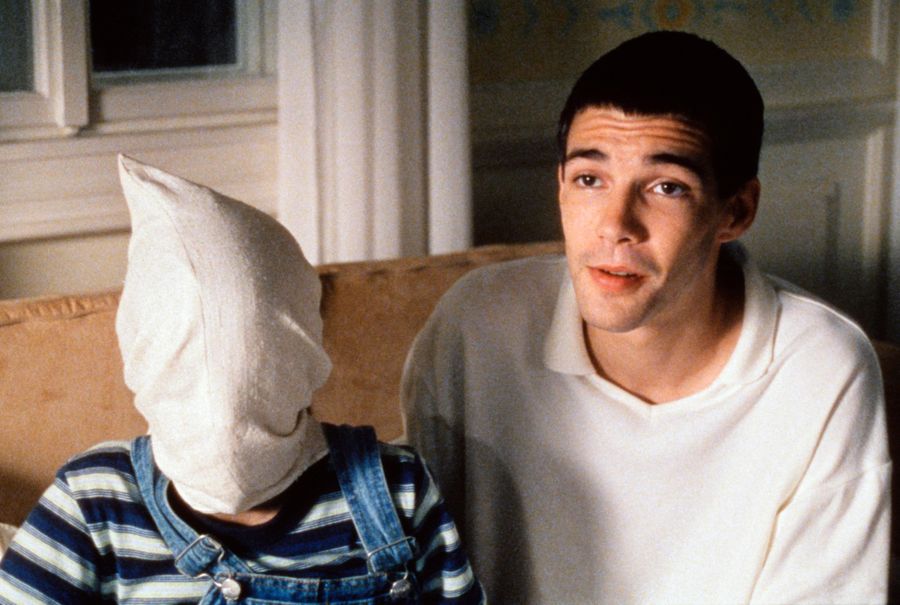
The relationship between cinema and visceral on-screen violence has long engaged in a battle of morality, with the topic causing moral panic through the late 20th century when slasher movies thrived. Characterised using the same parameters of definition, these films saw a group of young people face up against a malevolent, often fantastical, villain picking them off one by one in increasingly gory ways until one ‘final girl’ dispatches them.
It is this joy of on-screen violence that the Austrian filmmaker Michael Haneke intends to dissect in his 1997 film Funny Games, constructed as a bleak study of the curious voyeuristic thrill of violence in cinema.
Carefully constructed, almost as if a meta film essay, Haneke’s film mocks the foundations of cinema’s finest horror thrillers by mimicking their setup, introducing the audience to a family of three retreating to their holiday home in the countryside. Settling into their life on the lakeside house, all seems suspiciously glorious until a knock at the door interrupts the natural order and triggers a cinematic spectacle.
Donned in pure white overalls, two young men, named Peter and Paul, manipulate the family to allow them into their family home wherein they impose taunting mind games before breaking the legs of the father and holding the family captive. With no real motivation, the men proceed to prod and sneer at the family, mentally torturing them as well as physically incapacitating them.
‘Is this even enjoyable?’ Haneke seems to ask the audience, questioning the viewers history of watching similar violent films that show the brutal murders of countless victims. The director makes his intentions clear too, with Paul frequently breaking the fourth wall to talk directly to the audience, asking “what do you think? You think they stand a chance? You’re on their side, aren’t you?”.
Deeply disturbing, such moments pervert the natural order of cinema, rupturing the sacred screen to make the audience a tool of Haneke’s funny games. Such establishes a strange connection between the spectator and the on-screen villains, with the bleached white purity of Peter and Paul feeling like imposters to what should be a thrilling horror, only to adopt an aggressive stance toward the viewer that is not too dissimilar from the smarmy way they treat the family of the film itself.
Though Haneke’s intention isn’t to punish the audience, rather, he prefers to invade their conscience and force them to question their role as a facilitator of such Hollywood thrillers. Stripping away the violence from his own film, the director doesn’t intend to exploit the genre for his own benefit, but rather state a point about its futility and downright pointlessness.
Such is illustrated when the two killers reveal their backstory to the family, a cinematic moment usually bloated with climax, spilling their secrets with a snigger as if they themselves don’t even believe the drivel coming out of their mouths. The fact is that, it doesn’t matter what they say, this, after all, isn’t what really interests the audience, as a result, Haneke decides they’re doing it ‘just because’.
As if they’re playing a pointless game just to pass the time, the identity of the characters isn’t important to the film itself nor Haneke. Asked about why the two villains are named after saints in an old interview, the director replies, “They’re also called Tom & Jerry and Beavis and Butthead and this was, of course, a game to show that these characters have no identity of their own but have assumed different identities”.
At its heart, Funny Games is a curious sociological probe, dropped down the crevasse of horror cinema like a flare, shining light on the endlessness to question the meaning for such visceral gore, though, of course, Haneke is well-aware of the answer. The joys of escapism keep audiences coming back time and time again, a fact that makes the director’s strange analysis of modern cinema, betwixt reality and fantasy, that much more special.
