


‘25 O’Clock’: How XTC tricked the world with a ‘lost 1960s album’

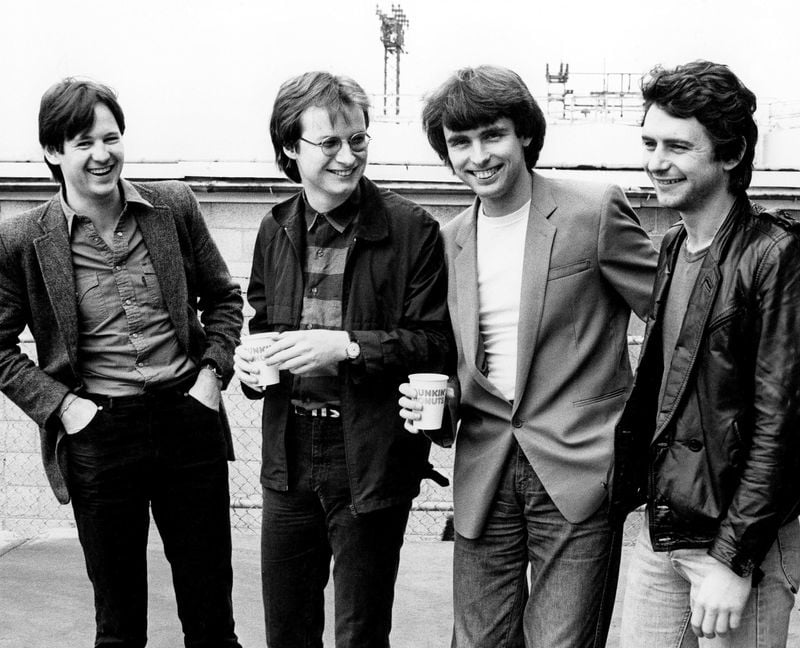
While bands such as Talking Heads might get the majority of the praise and plaudits for having shaped the art rock and post-punk movement of the 1970s and ‘80s, one band who were perhaps just as innovative and daring during the same period were XTC. The New York band’s UK counterparts enjoyed a reasonable amount of success on home soil, but failed to make the same impression in other pockets of the globe due to frontman Andy Partridge’s reluctance to tour.
However, his battles with anxiety and stagefright didn’t prevent the band from hunkering down in the studio and producing some of the most forward-thinking amalgamations of punk, new wave and pop in this period, and albums such as Drums and Wires, English Settlement and Skylarking have rightfully earned themselves cult status in the years since their release.
Despite hailing from the bleak Wiltshire commuter town of Swindon, a place with little to offer aside from the Great Western Railway and a football club I’ve resigned myself to a lifetime of supporting, XTC defied all odds and somehow managed to emerge from the cultural void and forge themselves a career – albeit a grossly underappreciated one.
But this isn’t strictly an article about XTC; it’s about the long-lost debut album from 1960s psychedelic pop outfit The Dukes of Stratosphear. Except – it is about XTC because they are The Dukes of Stratosphear, and the album was nothing more than a collection of new recordings from the band under a pseudonymous disguise they developed in late 1984.
Conceived by Partridge alongside guitarist Dave Gregory and bassist Colin Moulding, the band wished to abandon their post-punk style in order to explore a mutual adoration for ‘60s psychedelia for a one-off record. Their label, Virgin, coughed up a £5,000 advance for the band to satisfy this curiosity but only allowed them a two-week window to record and produce the record.
Despite being limited in their budget, Partridge imposed a number of strict guidelines which sessions had to follow – the band were only allowed to record a maximum of two takes per song, the songs had to all be in the style of the psychedelic pop that was being released circa 1967-68, and all of the gear that they used on the recordings had to be from the same period where possible.
The sessions resulted in 25 O’Clock, a glorious collection of six songs that took cues from the works of the Kinks, the Zombies and the Electric Prunes, among others, and did more than just satisfy the bubbling urge that Partridge and co. had for creating a record that paid tribute to a different style of music they all shared a passion for. The title track lures in the listener with a heady mix of vintage sounds such as resonating guitars and cheap synthesisers, but the album continues to expand on its premise with whimsical tracks such as ‘Bike Ride to the Moon’ and the Beatles-esque ‘What In the World?’ which sees Moulding take on vocal duties.
While the trio insisted that Virgin bill the record as being an unearthed gem from ‘The Dukes of Stratosphear’ and initially denied all association with the record in order to keep up the ruse that the mysterious group had created it, it began to outperform their previous album, The Big Express, when it was released on April Fools’ Day in 1985. The band would eventually drop the disguise and fess up to having been the creators of the album, and even went as far as to thank their fictitious alter-egos in the liner notes of their 1986 album, Skylarking.
XTC would return as the Dukes in 1987 with Psonic Psunspot, which also saw them receive significant acclaim despite the cloak being lifted on the band’s true identity. These two records were far from being pastiche, and were born out of a genuine love for the music that they were paying tribute to, but they were also proof of the incredible versatility and songwriting ability that XTC possessed as a group. It might have been a risk for them to change direction so dramatically, but all of the plaudits that they received for having dared to explore another avenue is indicative of just how important and underappreciated Swindon’s finest export were.
