


“It did something to my brain”: The 2011 movie that put Rick Rubin in a bad mood for three months

When a movie, television show, or piece of music impacts you on an intensely deep level, it’s often not as talked about unless other people share the same experiences.
Culture is fixated with fictional realms and celebrity culture, but on topics of real, mental and physical impact, it’s often shunned or pushed aside as something trivial. However, the power of these art forms is anything but, which is a vulnerability Rick Rubin understands better than anybody.
For Rubin, however, art has never been a passive form of entertainment. Whether he’s listening to an album or watching a film, he approaches creative work as something capable of fundamentally altering a person’s emotional state, sometimes long after the experience itself has ended.
Rubin has always been a deeply emotive and visceral person. As a producer, he has consistently been criticised for his less conventional approach to creativity, which often centres around feeling and intuition rather than drawing from anything technical or rational. While many musicians prefer this and find it refreshing, some see it as indicative of someone whose abilities are a little questionable.
However, Rubin has also always been forthcoming about his lack of know-how, especially when it comes to reading music and music theory, but his achievements and accreditations prove that these aren’t always necessary criteria when it comes to creating some of the greatest songs and albums of all time. As he once reflected, “All that matters is that you are making something you love, to the best of your ability, here and now.”
In his view, being an artist is a visceral experience and one you live and breathe rather than anything you learn and then put into practice. “The real work of the artist is a way of being in the world,” he said, demonstrating the value of letting yourself be guided by thoughts and emotions and how such a choice can yield countless benefits for the creation of music.
One potential downside of this personality trait, or upside, depending on your perspective, is that Rubin is also susceptible to deeply absorbing other works and letting them infiltrate his mind long after he has finished listening to or watching them. For many, this is one of the best parts about watching movies, the ability to feel everything that is happening on a deeper level, but most return to their usual ways after the credits roll.
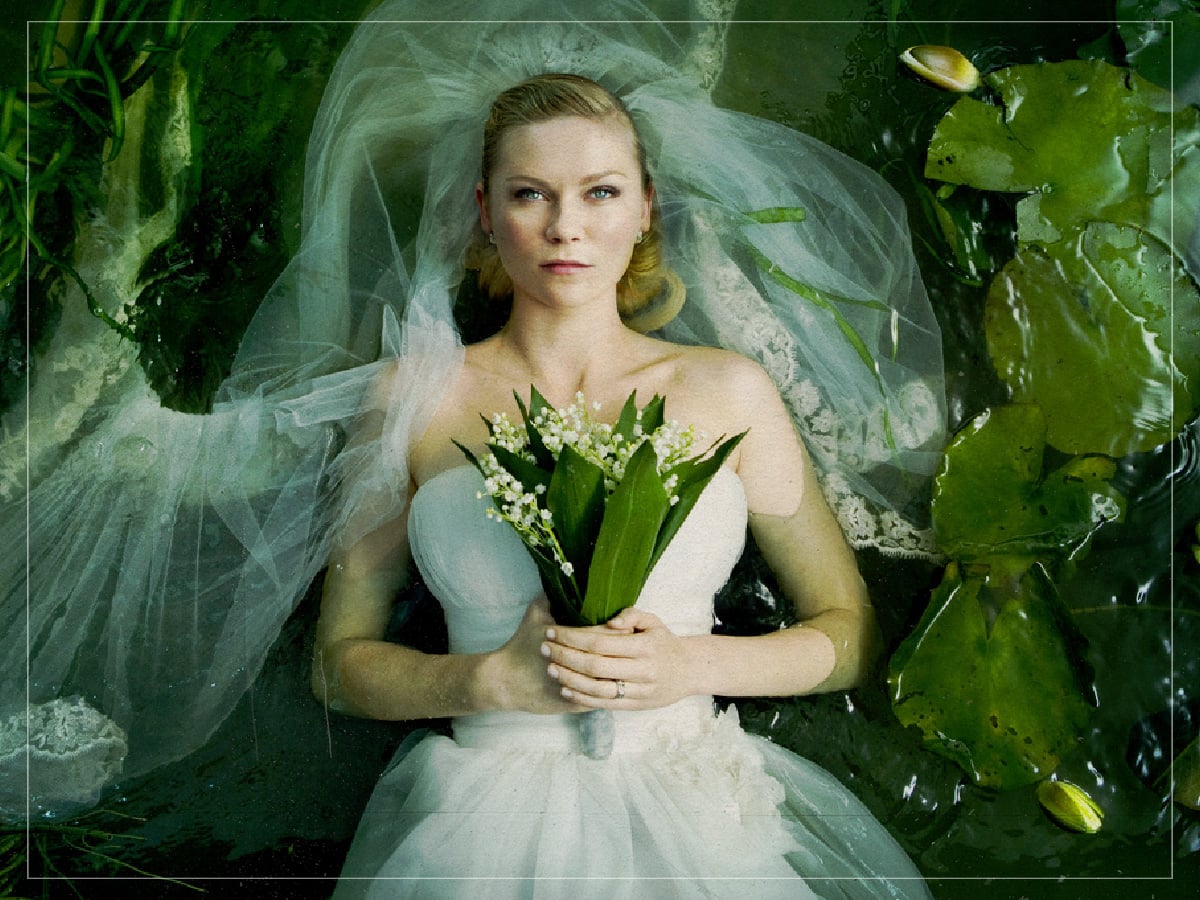
Rubin, on the other hand, ruminates and is often unable to shut off from something if it has impacted him emotionally. This was the case after he watched Lars Von Trier’s Melancholia for the first time, the catastrophe epic that explores themes of depression, dysfunction, and existential dread. Something in that tapped a nerve in Rubin, and he was unable to stop thinking about it for months after.
“A movie can impact me,” he admitted, adding, “There was a movie called Melancholia that I saw years ago. I thought it was a very beautiful movie, but I was in a bad mood, I would say, for three months. From the time I watched that movie, it did something to my brain that didn’t feel good and I couldn’t snap out of it.”
It’s a striking admission from someone whose career has revolved around helping artists create emotionally powerful work. Rubin clearly understands that the same qualities capable of inspiring or comforting listeners can also leave them unsettled, depending on the subject matter and their own state of mind.
Clearly, the movie continued to have an impact, considering he is still unable to shake it years later. It’s understandable, though, when you look at Rubin’s ability to feel more acutely than many others in the music industry, especially when looking at the value he places on cinematic-style emotion and immersion.
Rubin’s experience with Melancholia illustrates the depth of his relationship with art. While many people separate creative works from everyday life once the credits roll or the music stops, he embraces their ability to linger, believing that lasting emotional impact is often the clearest sign that a piece of art has achieved exactly what it set out to do.
