


“A really hard time”: the 2006 album Linda Ronstadt could never sing again

Linda Ronstadt has always been her own worst critic. After all, she once said she only really learned how to sing after around 1980, which is saying a lot considering much of the material that made her a star came long before that.
That said, Ronstadt’s high personal standards are also part of the reason why she was able to rise to the top all those moons ago. Since moving from Arizona to Los Angeles, she stood out from the rest, only choosing to do whatever she actually wanted to do and only singing songs that she already felt an emotional connection to.
The moment she really cemented her position in history was around 1974’s Heart Like A Wheel, her magnum opus that showcased everything great about her talent, from her incredible vocal range to the unparalleled ways in which she could infuse any track with a new level of raw emotional honesty.
However, when asked about projects she’s especially proud of, Heart Like A Wheel sort of seems like one of those Ronstadt struggles to decipher, especially when it comes to those she’s actually openly proud of, like Trio and Adieu False Heart. In fact, one of the few times she’s discussed her opinion towards Heart Like A Wheel came across more like a back-handed self-compliment.
“I did some records that I wish would disappear off the face of the earth,” she said in 1981. “Lots of them. Actually, to tell the truth, I’ve only made two records that I feel great about: Simple Dreams and Heart Like A Wheel. Although if I played them right now, I’d probably hate them too.”
Interestingly, Adieu False Heart mainly only means so much to Ronstadt because of what she went through making it. As she reflected later, she basically didn’t have much of a voice left because of her neurological disorder, which meant that she was essentially just “crafting together” whatever she could. She also leaned on Ann Savoy, creating “an unusual sound” with their collaborative joint harmonies.
Discussing the project with Uncut, she recalled finding it hard to deliver with her performance but not really knowing why, as it came before her Parkinson’s diagnosis. She also said that Savoy’s louder voice really helped and made her realise she was a “true alto to my soprano”, resulting in a beautiful duet that allowed Ronstadt to sing softly, “which is about all I could do at that point”.

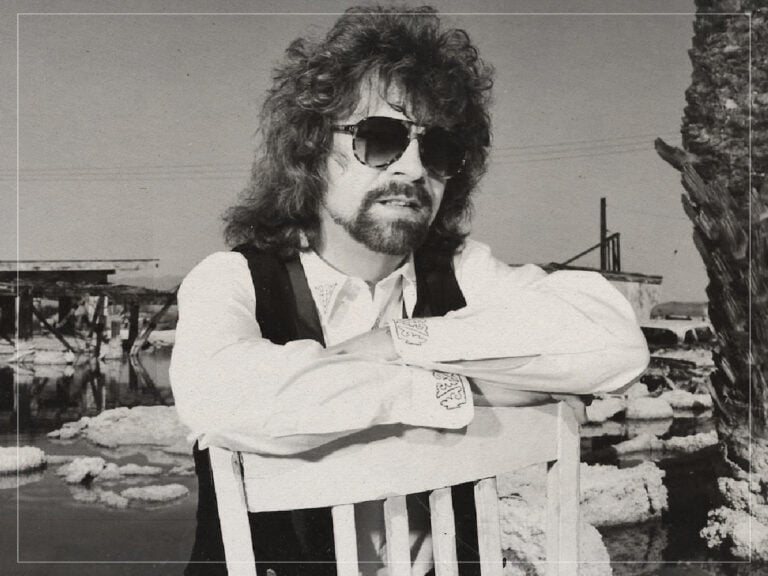
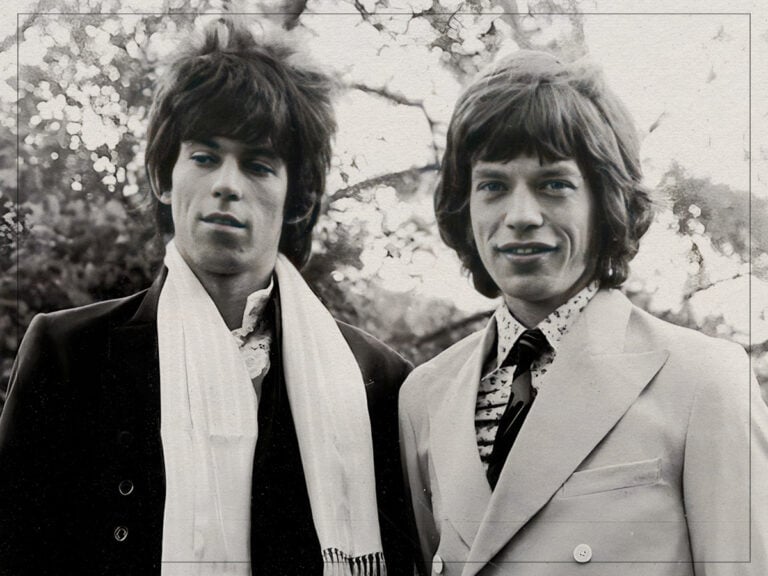
“Adieu False Heart was the last recording I made before I got Parkinson’s,” she explained. “I was already struggling with it, but I didn’t know that’s what I had. I was having a really hard time singing, and I couldn’t figure out why.”
Most musicians would have felt discouraged by the sudden inability to do something they’d loved for such a long time, but Ronstadt instead took it as an opportunity to fall in love with singing all over again, despite no longer having the tools to really go for it. That’s probably part of the reason why she said she approached the whole thing a bit like a painter would, toying with sound dynamics to spotlight her voice in ways she’d never explored before.
One of the songs that especially resonated with her was ‘Tell Him I Said Hello’, proving that it wasn’t just her voice and the challenge with singing that made the record so special. It was also the nature of the songs that she related to, even something as simple as experiencing an urge to reach out to a former lover, only to shrug it off and “realise you better not”.
