


The 2000 movie Roger Ebert called “one of the great howlers” in cinema history

As one of the most noted critics to have ever penned reviews, the word of Roger Ebert carried a great deal of weight. He didn’t always agree with the popular consensus, but when he hated a movie, it was made about as clear as possible.
Regardless of genre, if a film wasn’t deemed up to a suitable standard, Ebert would let fly with a withering putdown that would systematically tear it apart piece by piece. He was far from a snob, either, with a relatively successful low-budget horror being immolated by his fiery barbs of criticism.
Produced by Neal H. Moritz and directed by Rob Cohen – the same combination who would coincidentally give rise to one of the biggest franchises in history when The Fast and the Furious released the very next year – 2000’s The Skulls sought to put its own spin on the well-trodden ground of the conspiratorial thriller.
Joshua Jackson stars as Luke McNamara, a law student welcomed into a prestigious university on a scholarship. Finding himself out of place as a working-class kid amongst the generational elites, he’s eventually invited to join the titular secret society, a rare distinction only bestowed to a select few.
However, when another alumni turns up murdered, and Luke sets out to prove it beyond any reasonable doubt, society turns on him and begins using its power and influence to not only scupper the investigation but unravel a conspiracy that stretches all the way to the halls of political power.
While the premise hinted at a tense and socially aware thriller, the execution struggled to live up to its ambitions. The film attempted to blend conspiracy, class tension, and institutional critique into a cohesive narrative, but the result felt disjointed, with familiar tropes overshadowing any meaningful insight into the elite systems it sought to examine.
Roger Ebert was particularly scathing in his assessment, dismissing The Skulls as absurd rather than incisive. Awarding it just one star, he criticised its implausibility and lack of narrative discipline, suggesting that its over-the-top elements pushed it into unintentional comedy rather than compelling drama.
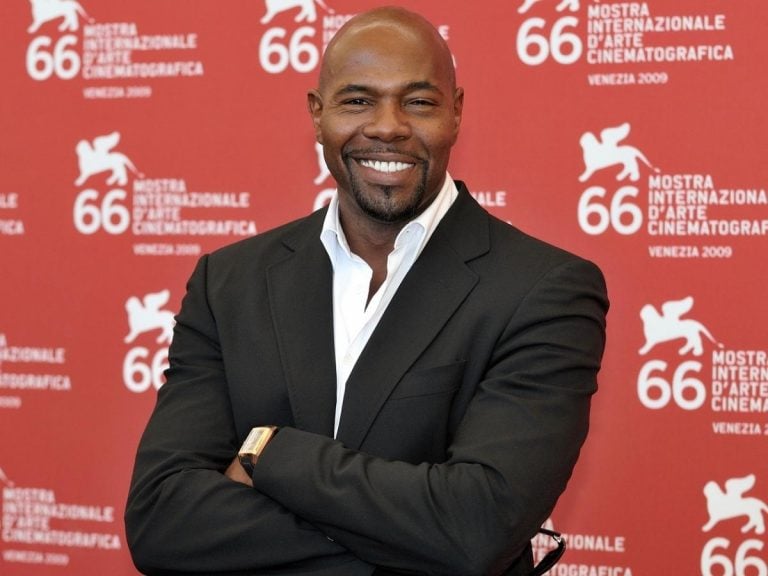


Cohen imagined it as a scathing indictment of America’s real-life system and its many forms of corruption, something he was fully aware of given his own educational background. “I had gone to Harvard that had the dining clubs but not the Skull and Bones, the secret societies,” he explained. “But I knew a lot about the secret societies, and I thought this is how the elite functions. This is how the elite knits together these bonds that take them through life and keep them in the elite heights of any society.”
Unfortunately, he didn’t manage to make a good movie while using his experiences to inform the narrative, with Ebert describing The Skulls as “one of the great howlers”. Earning a paltry one star, he branded it as being “so ludicrous in so many different ways it achieves a kind of forlorn grandeur,” which by extension ensured it was so ridiculous “it’s in a category by itself”.
The Skulls may have recouped its production budget almost four times over at the box office, but Ebert was far from the only person left with no other option than to tear such a thoroughly awful picture apart at the seams.
