


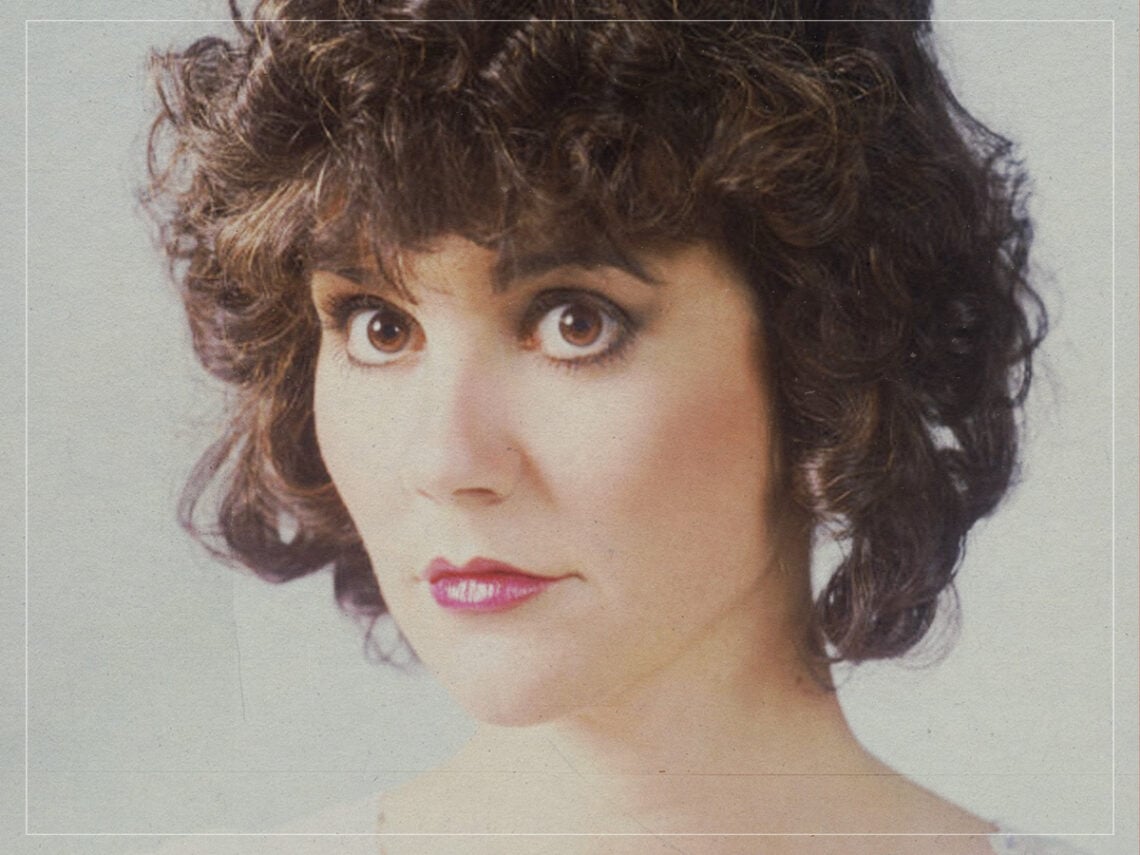
The 1987 song that reveals the true Linda Ronstadt: “Music should hit you”

Linda Ronstadt learned fairly early on that she had to suppress certain aspects of her personality to be ‘successful’. While the bustling LA music scene more often than not celebrated artistic individuality, it seemed that having a Mexican heritage wasn’t what people deemed commercially appealing.
Ronstadt is an especially unique case in LA’s rock community, as she already entered the rock scene equipped with everything she’d ever need to make it on a bigger scale. Those around her entered venues like The Troubadour with a view to learning and growing, absorbing all the diverse voices and the different styles of music, taking notes and using others to help shape their own style.
While Ronstadt did the same to a degree, she already knew exactly who she was, having grown up in a musical family that already exposed her to the kind of music she would love and cherish for the rest of her life. Many of these sounds came from traditional Mexican folk music, like Trío Tariácuri, Lola Beltrán, and Mariachi Vargas.
The problem, though, was that when she moved from Arizona, she learned quickly that people didn’t really understand her background, much less see it as a necessary part of her musical style or valid part of her identity, often shunning it in favour of the bigger, more respected ‘Queen of Country Rock’ label she’s fostered from being one of the most significant voices in rock.
“Back in 1967, Tiger Beat magazine asked me what my ambition was for my career,” she later recalled. “I said I want to become a really good Mexican singer. But it wasn’t noticed or validated.”
The years that followed were filled with even more casual invalidating remarks about her identity, including a misprint in Rolling Stone magazine which spelt Lola Beltrán’s name as “Laura Del Turone” because “they didn’t think it mattered”, and even more offensive comments from a talk show host about whether her father was actually completely Mexican.
Anybody in Ronstadt’s position would have likely accepted defeat and kept their heritage close to their chest, realising that nobody in the world would even appreciate such a background in ways that would ever be meaningful. However, recognising that this was her calling, Ronstadt set out to spotlight her proud heritage on a larger, more adventurous scale for the first time in 1987 with her gorgeous album of traditional Mexican Mariachi music, Canciones de Mi Padre.

Along with all the obvious reasons why this record is and will always be the truest version of Ronstadt, it also birthed some of her most iconic songs, including ‘Tú Sólo Tú’, Felipe Valdés Leal’s 1949 ranchera song that Ronstadt made entirely her own, keeping the song’s original theatricality and infusing it with her unmatched, powerful vocals.
Ronstadt once said that if music doesn’t make you cry, it’s not doing its job. “I think music should hit you where you experience a feeling you never knew you had before,” she said, describing precisely the experience most of us have when we listen to ‘Tú Sólo Tú’, not just because of its deeply heartfelt lyrics but also because of the context in which it came from.
After all, her voice – and the fact that she’s singing in the way she holds most dear to her heart, honouring her heritage without holding back – appears freer than it’s ever felt, reaching its full potential with emotive expression and unrestrained belting in a way that perfectly captures the soulful spirit of Mexican music.
