


The 1976 Led Zeppelin song where Robert Plant took aim at Jimmy Page

Presence was a reckoning of sorts. As hinted by its namesake, the album saw Led Zeppelin do the one thing they will likely never be able to replicate: capture a specific moment in time when the band’s raw emotions, challenges, and triumphs converged into a powerful expression of vulnerability and resilience.
In a way, this made Presence not just an album but a visceral snapshot of a band confronting its own mortality. After having just been involved in a major car accident, Robert Plant attempted to move forward with creating the album despite suffering multiple injuries, including a broken ankle and elbow, which left him unable to walk for several months.
What sets Presence apart from the rest of Led Zeppelin’s catalogue is how little it hides behind myth or excess. Where previous records often leaned into grandeur, mysticism, and sonic experimentation, this album feels stripped to the bone, driven more by necessity than indulgence. There’s a sense that the band had no choice but to confront their circumstances head-on, channelling that tension directly into the music.
It also marks a rare moment where vulnerability overtakes spectacle. Instead of escapism, Presence offers something far more immediate and human, capturing a group grappling with fragility at a time when they were expected to be untouchable. In doing so, it stands as one of the most honest documents of their career, even if that honesty came at a cost.
As expected, the accident had a profound impact on Plant, both physically and mentally, delaying progress and also the band’s touring and recording schedules. As a result, the band’s usual approach had to be adapted, and Plant resumed contributions by entering the studio both in a wheelchair and on crutches.

Although the project was completed in just under three weeks, the one thing Plant hoped to rely on—support from his bandmates—seemed relatively sparse. As a result, he channelled much of his frustrations into his art, with many of the estranged dynamics filtering into the band’s overall tone, taking on a much darker, more stripped-back feel.
‘Hots On For Nowhere’ was Plant expressing his frustration with bandmate Jimmy Page. At the time, Plant was open about his growing frustrations, and this track reflects that tension, accusing him of not offering any support when needed. As he sings, “I was burned in the heat of the moment”, but “The timing is right growin’ older / I’ve got friends who will give me fuck all”.

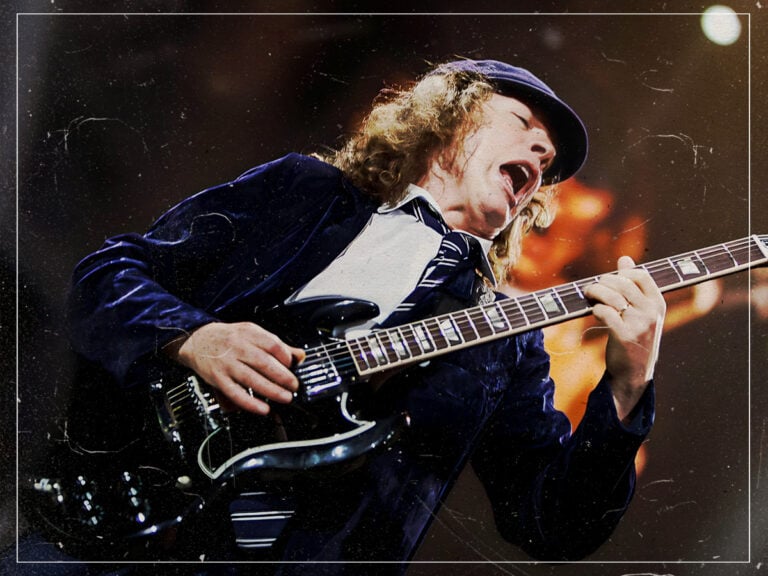
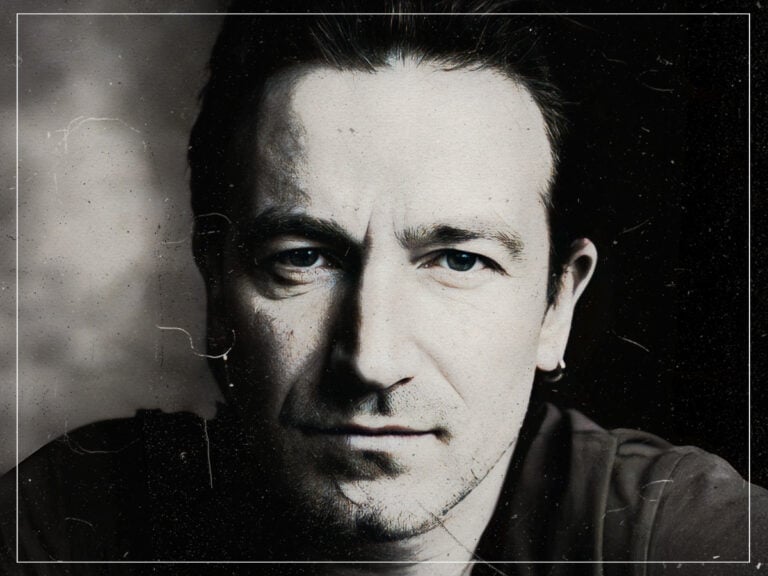
Plant explained his inspiration in an audio documentary on the band, admitting that the track was an attempt at calling out Page and their manager, Peter Grant, for not being more sensitive at the time or understanding the gravity of his situation. He also told The Guardian that this resulted in a fractured dynamic, explaining that the whole album “is absolutely wracked with pain,” adding, “The fraternity of the band at the time was stretched to breaking point.”
Plant also channelled his experiences travelling into ‘Achilles Last Stand’, which was also partially influenced by a fall Plant suffered in the studio that injured his ankle. They named the track accordingly, but despite its commercial success, the song remained a symbol of the great struggle they endured while working on the album.
As Plant recalled the moment he showed the track to a new girlfriend a couple of years after they recorded the song: “The two of us sitting in a little room on the Welsh borders, and me telling her: ‘If you want to know what I was like at the end of Zeppelin, really, this was it.’ After it, she said: ‘I don’t want to be left alone in a room with that. It’s too much.’ That’s what it was in the end: too much”.

Never Miss A Beat
The Far Out Led Zeppelin Newsletter
All the latest stories about Led Zeppelin from the independent voice of culture.
Straight to your inbox.