


“It’s all in there”: The 1976 song Bob Dylan thought had everything

When it comes to Bob Dylan, the mantra has always been four chords and the truth, but nobody could accuse him of being simple.
Truth is a tricky beast in a world of liars, unreliable narrators, subjectivity and chaos. So, while the means of Dylan’s work has often been rather pointed, if you attempt to dig into his work, you’re going to need a sturdy shovel.
Part of Dylan’s enduring appeal comes from that complexity. His songs often reveal different meanings depending on when they are heard, rewarding listeners who return to them years later with fresh interpretations and perspectives.
He’s far from alone on that front, though. When speaking to MTV back in 2009, the ‘Simple Twist of Fate’ singer revealed that he felt the late Warren Zevon had mastered his craft. “[He] sort of straddles the line between heartfelt and primaeval,” he said. “His musical patterns are all over the place. Probably because he’s classically trained.”
He then went on to highlight ‘Lawyers, Guns and Money,’ ‘Boom Boom Mancini’, ‘Join me in L.A’ as some of Zevon’s finest work. But there was one track he felt eclipsed them all and hit upon new depths for simple pop songwriting. Hailing ‘Desperado Under the Eaves‘, Dylan declared: “There might be three separate songs within a Zevon song. But they’re all effortlessly connected. Zevon was a musician’s musician, a tortured one”.
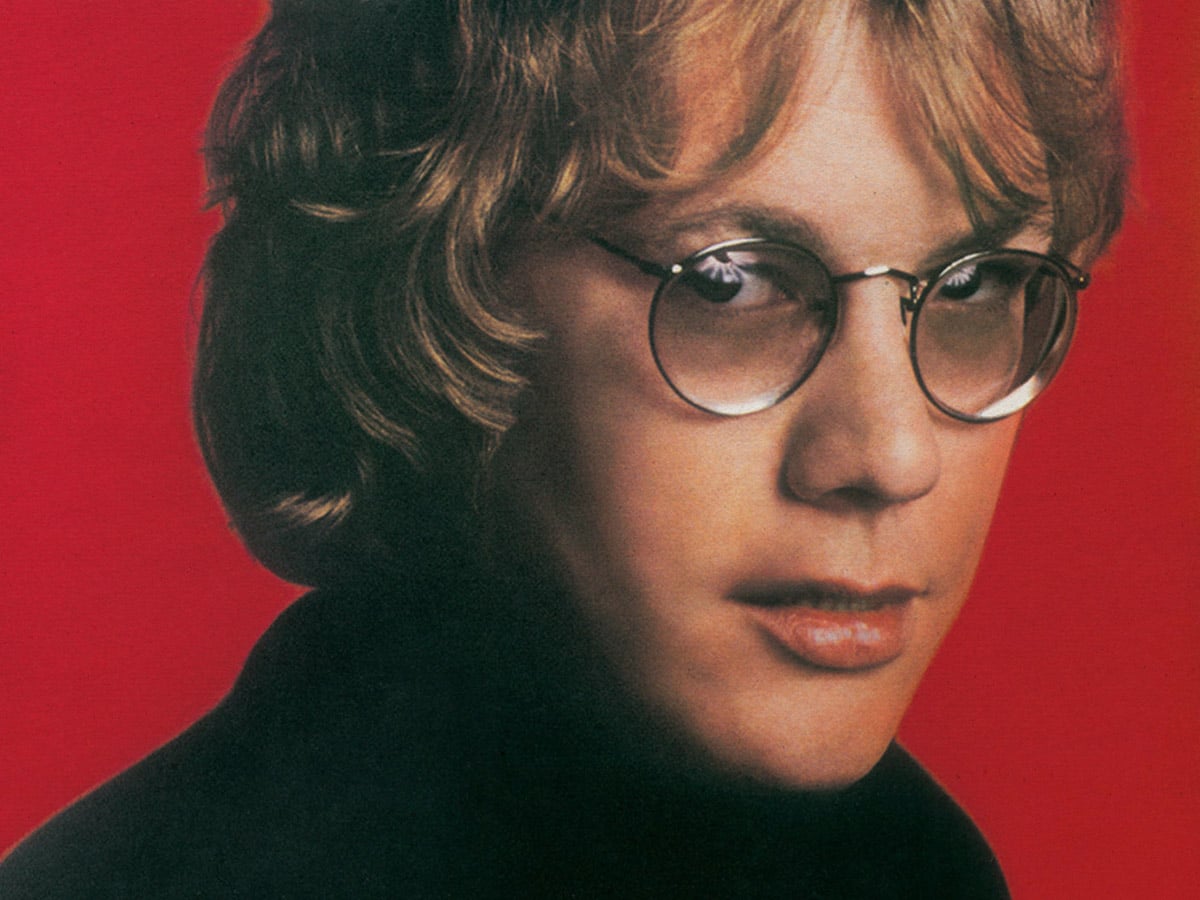
That combination of technical ability and emotional vulnerability became one of Zevon’s defining qualities. He possessed the songwriting discipline of a craftsman while never losing the sense of danger and unpredictability that made his work compelling.
He concluded by stating, “It’s all in there”, regarding the track from Zevon’s 1976 self-titled record. Indeed, all seems to be the operative phrase with the track. It is a song of multitudes, effortlessly switching between modes and offering up head-scratching contradictions in the finely tuned lyrics.
“And if California slides into the ocean,” he sings, “Like the mystics and statistics say it will”. How, you might ask yourself, do the opposing forces of mystics and statistics find themselves in agreement in the same sentence? He also sings, “I was thinking that the gypsy wasn’t lyin’, All the salty margaritas in Los Angeles, I’m gonna drink ’em up”.
Once more, the same mysticism that he slightly sneers at in his delivery seems to be made into truth. So, perhaps the message of the song is that all things are fated, and whether borne from the cold, hard truth of statistical likelihood or the forecast of something as flimsy as tea leaves, that which you cannot bring yourself to change only has one conclusion, regardless of what is informing it.
This makes ‘Desperado Under the Eaves‘ a tragic song. Although it is beautiful and sweeping on the surface, when you dig with a hefty shovel, you see Zevon staring down his own damnation—an alcoholic in a hotel blaming his fortunes on the inevitability of fate because it is easier than doing anything about it. Meanwhile, he paints his disposition as akin to the biblically condemned with nods to crucified thieves and natural sin.
However, the triumph of the track is not in the primal mix of humanity and poetry, but the fact he delivers this collision with a melody that both matches the themes while offering stirring emotion is a feat of the craft. For Dylan, that’s precisely what a song should do.
A great song, in Dylan’s view, should operate on multiple levels at once. It should entertain on the surface while offering deeper truths beneath, and ‘Desperado Under the Eaves’ exemplifies that rare combination better than most.

Never Miss A Tale
The Far Out Bob Dylan Newsletter
All the latest stories about Bob Dylan from the independent voice of culture.
Straight to your inbox.