


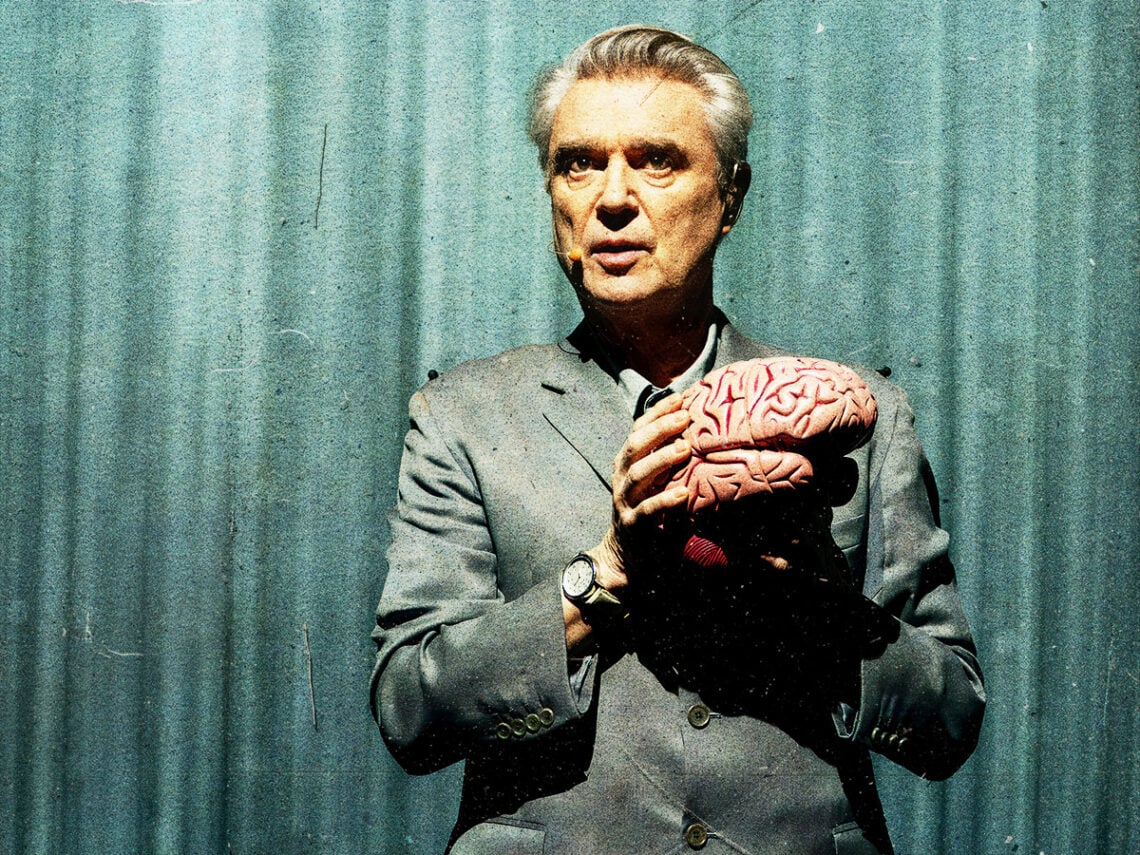
The moment in 1976 when David Byrne became a punk: “I was hooked instantly”

Throughout musical history, the most enduring groups have been those who have repeatedly refused to conform to one specific sound or scene. Talking Heads, for instance, never remained in one avenue of sonic inspiration for long, despite owing the initial spark of their existence to the blossoming world of punk rock abrasion.
Talking Heads’ existence pre-dates the punk boom that enveloped New York City’s East Village in the mid-1970s; it was in art school that David Byrne first concocted the band, performing various garage rock cover songs and predicting the kind of raw DIY rock that would soon denote punk.
It was only when the band relocated to New York and set foot on the sticky, rat-infested floors of CBGBs that the band we all know and love was truly born, setting them on a path to creating some of the greatest art-punk records of all time.
One fellow CBGB stalwart that played an essential role in the tale of Talking Heads’ early days was the Ramones. Despite the clear sonic disparities between the two groups, with the leather-clad Ramones favouring a blitzkrieg, downstroke-heavy playing style, rather than the art school sensibilities of Byrne and the gang, the ethos of both bands seemed to share a lot in common.
As the Talking Heads songwriter once recalled to Rolling Stone, in fact, the Ramones came as something of a revelation. “I first heard the Ramones in ’76, when their first album came out,” he recalled. “I got it for my sixteenth birthday, actually. When I heard it, I was shocked.”
Adding, “The whole concept was so minimal, and Joey’s voice was so odd, so flat, in an era of shrieking metal guys.” First and foremost, there are a number of holes that you can poke in that particular quote. For starters, Byrne was 24 years old in 1976, and Talking Heads’ very first gig was in 1975, supporting the Ramones.
Whether the songwriter was merely misremembering the period – if there is anyone from the CBGB scene that has an ironclad memory of that time, they probably weren’t really there – or he was simply engaging in his unique sense of humour, the sentiment remains: The Ramones changed the game as far as Byrne was concerned.

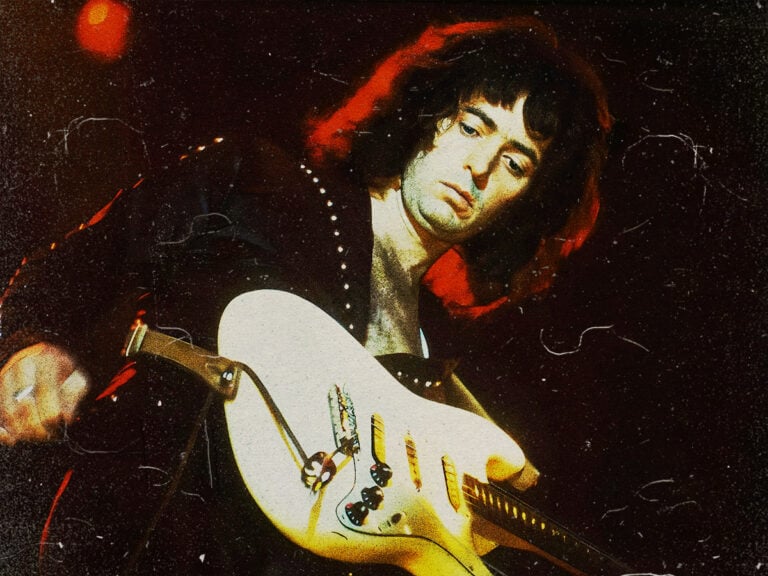
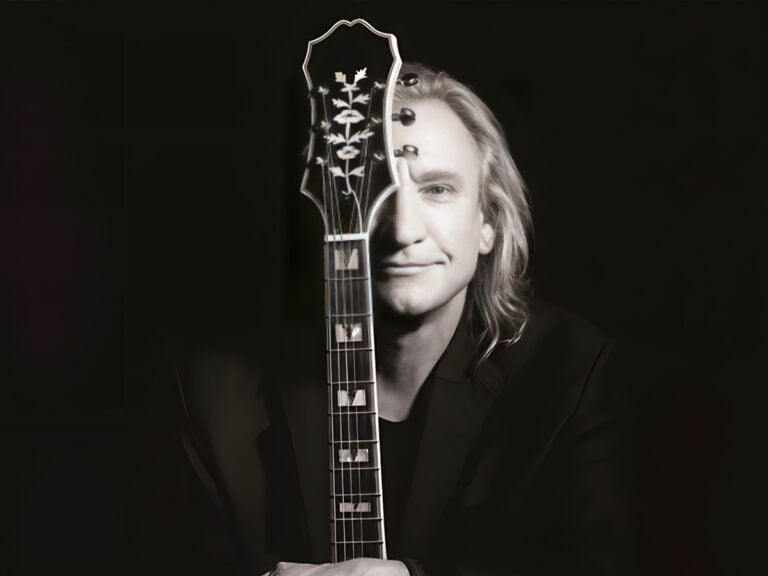
“I was hooked instantly,” he declared. “It made me feel like, ‘I need to be in the city! I need to be in a band!’ This wasn’t like sitting at your pot dealer’s house in the suburbs listening to Rainbow. This was ‘I can do that! I should! I will!’ kind of music.” In essence, that was the core ethos of the punk movement.
The Ramones weren’t glamorous, peacocking rockstars; they travelled to most of their New York gigs via the city subway, with their instruments in shopping bags. Although Talking Heads went in a different musical direction, the DIY spirit and underdog attitude provided to them largely by the Ramones never truly subsided.
