


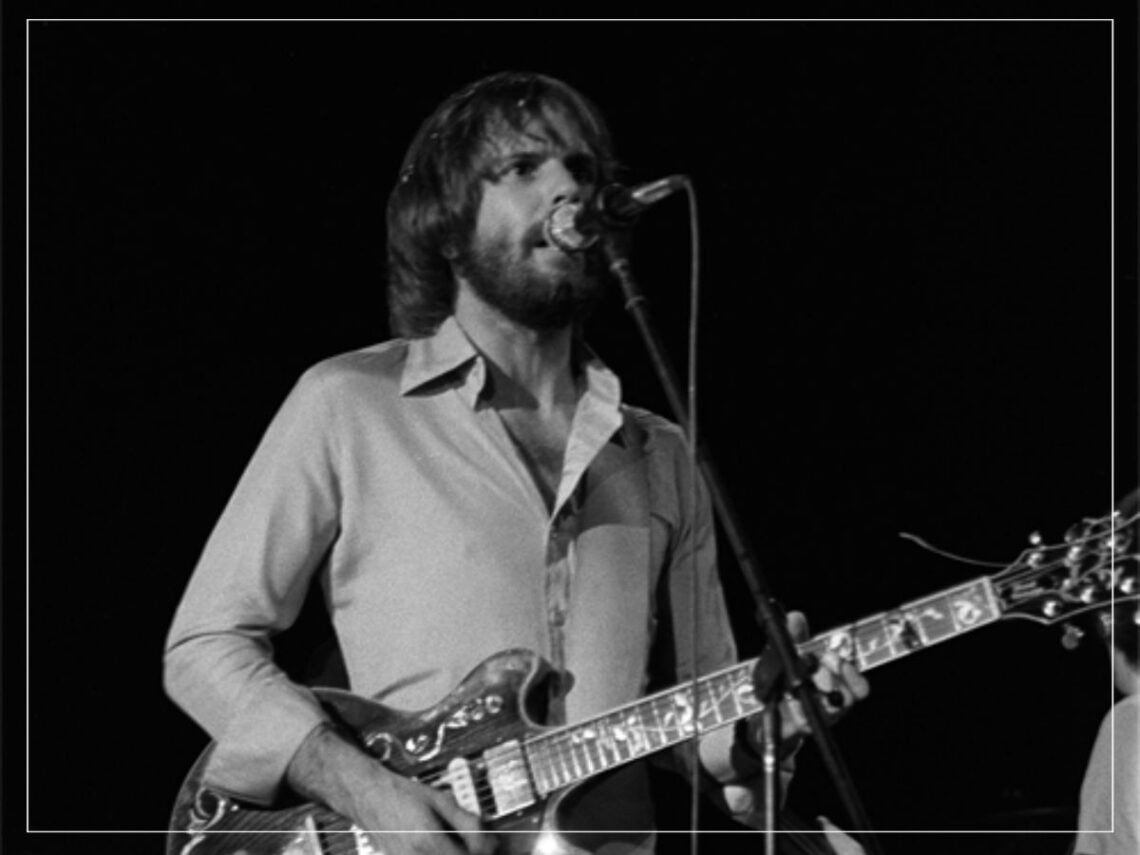
The 1973 Grateful Dead song Bob Weir couldn’t bring himself to sing: “Those words couldn’t pass my lips”

The Grateful Dead have mustered such enigmatic posthumous energy that even their most diehard fans find it hard to express in words.
In fact, such a challenge is almost impossible, as the band’s publicist, Dennis McNally, proved when trying to explain their appeal. “There’s so much distraction about them,” he said rather vaguely. But it’s true: with the Grateful Dead comes a whirlwind of information to digest.
In 2024, the band broke a record for having the most top 40 albums in history, beating legendary giants like Elvis Presley and Frank Sinatra. The most obvious explanation for this is the fact that, despite Jerry Garcia’s passing in 1995, the band continues to accrue legions of fans, who are drawn to the unique sound and the world in their eyes.
Theoretically, understanding the appeal isn’t too difficult a challenge: mystification aside, focusing solely on their music; this group comprises some of the best musicians who ever lived, not just in terms of technical adeptness but also how they connected to an entire live audience. The Dead didn’t just excel at genuinely good music; experiencing and being a part of their live shows ignited an energy that’s hard to put your finger on unless you were actually there.
Despite the ongoing enigma surrounding the band, they also operated in the precise ways you might expect, even sometimes shunning some of their work or directly calling it out as bad. While it’s easy to look at their wider discography now and see nothing but well-rounded musical prowess, not all of the material they created made them proud.

That willingness to self-critique is part of what makes the Dead so compelling in the first place. For all the mythology that surrounds them, they were never afraid to admit when something didn’t land the way they intended. In a band so rooted in improvisation and experimentation, not every idea was going to translate into something timeless, and they seemed more comfortable than most in letting those missteps exist rather than trying to rewrite history.
It also highlights the difference between how their music was received and how it was felt internally. Fans might hear layers of complexity and emotion in every note, but for the band, certain tracks carried baggage tied to how they were written, performed or even remembered. That disconnect is part of the Grateful Dead’s enduring mystique, where even the songs that didn’t sit right with the band could still take on a life of their own once they reached an audience.

For instance, the first album on their own label, Wake of the Flood, adopted a more bebop and modal jazz feel due to Keith Godchaux’s input, which, along with the recent passing of member Ron “Pigpen” McKernan, contributed to a notable evolution of the Dead’s overall sound. They also injected more of their personal influences, including country, R&B, and ragtime, with Garcia and Robert Hunter writing most of the songs.
Bob Weir contributed ‘Weather Report Suite’ with John Perry Barlow, and together they worked on the music and lyrics, coming up with a love song sentimental enough to warm the coldest of hearts. That was, however, one overarching reason why Weir became aversed to the song, so much that he completely rejected one segment because he just couldn’t get it out.
“The fast part was one of the few times Barlow and I sat and wrote words and music simultaneously,” Weir explained. “The slow part was written completely separately. I liked the music but it sounded like a love song, which is not my forte.” After drinking a bottle of whiskey with Eric Andersen, they “wrote this sappy love song”, but it didn’t sit right with Weir.
“I always hated what we did,” he admitted, continuing, “which is why that part of the song vanished for years.”
Taking his feelings towards the track even further, he added: “Those words couldn’t pass my lips without me visibly retching, and I’m not going to do anything that I’m embarrassed about walking into. I do enough stuff that I’m embarrassed about after the fact!”
