


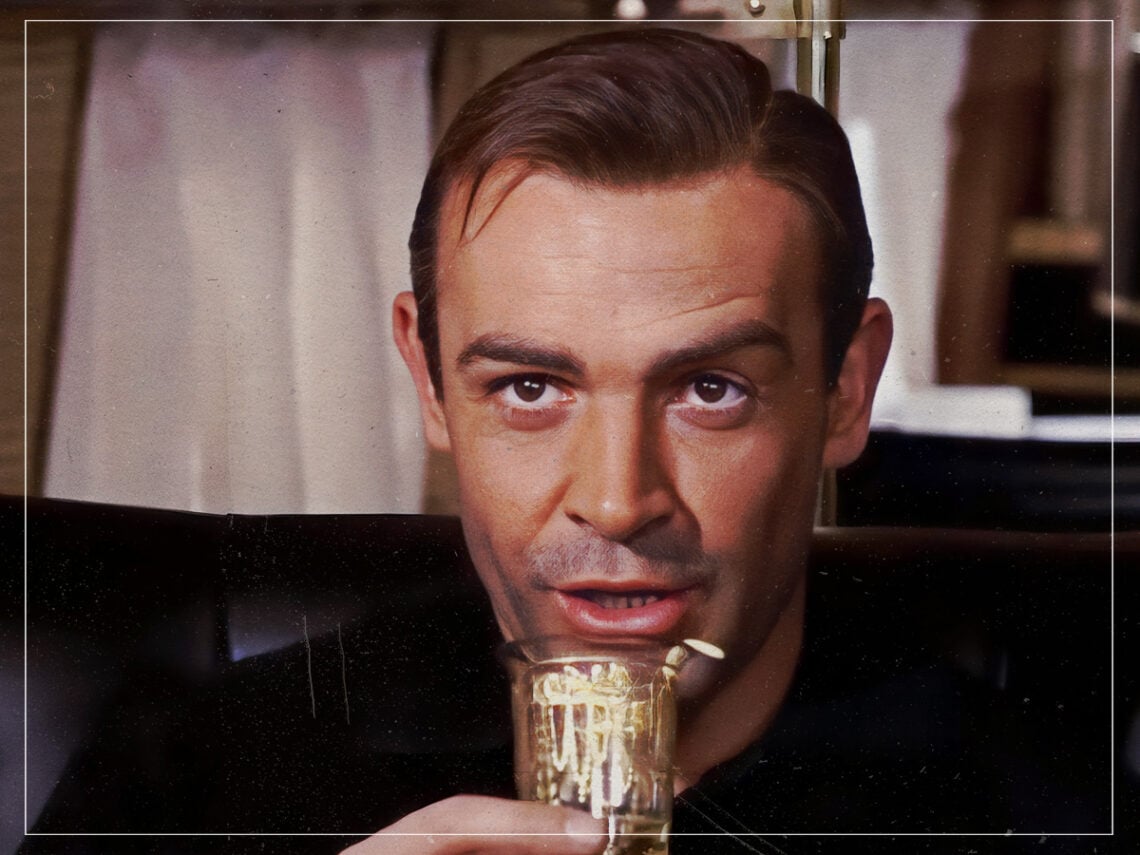
The 1964 movie Sean Connery always regretted making: “I won’t make that mistake again”

Every actor to have followed Sean Connery as James Bond knows going in that they’ve got an awful lot of work to do in order to avoid typecasting and convince audiences there are many more strings to their bow than suiting up in an immaculately tailored tuxedo, sipping on a martini, and saving the world.
Obviously, as the originator of the role, Connery didn’t have that luxury and was in completely uncharted territory. The 007 franchise was a box office success from the beginning, and as the first major leading role of the star’s career, he was immediately associated with Bond and nothing else. With that in mind, the gruff Scotsman faced the tough task of trying to showcase new sides of himself between his globetrotting adventures.
Between his debut in Dr No and his initial swansong five years later in You Only Live Twice, Connery appeared in five non-Bond pictures, and it was an eclectic array of films that saw the actor attempting to let the world know he had plenty to offer when he was shorn of his signature character.
During that period, he made Alfred Hitchcock’s Marnie, Sidney Lumet’s prison drama The Hill, and Irvin Kershner’s dramedy A Fine Madness, as well as a detour to France so that he could cameo as himself in the legendary Vittorio De Sica’s Un monde nouveau. He was keeping himself busy, but it wasn’t always in Connery’s best interests.
There’s a fine line between ambition and overreach, and Connery found himself walking it in real time. Determined not to be boxed in by Bond, he took on roles that stretched his abilities and aligned himself with respected directors, but the sheer volume of work began to chip away at the focus required to make each performance land. It wasn’t just about proving versatility anymore; it became a question of whether he could maintain the same level of intensity across so many competing commitments.

In hindsight, it’s easy to see how that pressure would start to show. Acting, particularly at that level, demands a kind of immersion that doesn’t leave much room for distraction. Splitting attention between scripts, sets, and even rewriting duties meant Connery was rarely able to fully settle into a single project. The intention was admirable, but the execution suffered, and it exposed the reality that even the most driven actors have limits when stretched too thin.
Burning the candle at both ends is never advisable, and as an actor with a point to prove who was traversing around the globe to make multiple pictures with a wide range of filmmakers, he took his eye off the ball for 1964’s widely panned crime thriller Woman of Straw.
“I wasn’t all that thrilled with Woman of Straw,” he admitted to Playboy. “Although the problems were my own. I’d been working nonstop for goodness how long and trying to suggest rewrites for it while making another film, which is always deadly. It was an experience, but I won’t make that mistake again.”
By trying to spin too many plates at once with his extracurricular activities and script suggestions for the movie, Connery ended up with the worst of all worlds. He was distracted, his performance was disjointed, he constantly had one eye on the next film requiring his services, and the end result was a critical and commercial bust.
Connery learned his lesson after making three pictures in quick succession on either side of a Bond flick, and for the rest of his tenure as the iconic secret agent, he made sure he had enough time to give every project his full and undivided attention regardless of whether he was stopping an evil madman or taking on a British potboiler.
