


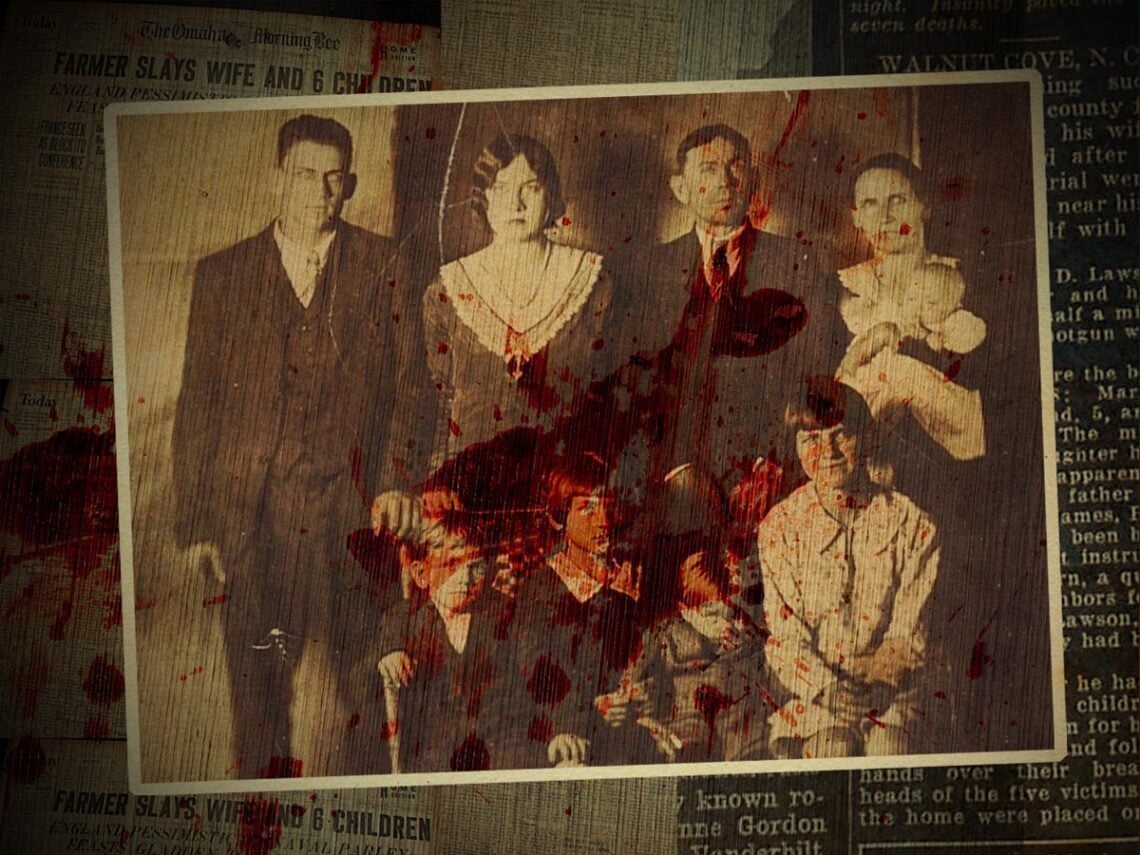
The most chilling song ever written: The 1929 Lawson family massacre that still haunts folk music

When the Carolina Buddies entered Columbia Records studio in 1930, they recorded a series of folk songs that were in the strong rivers and creeks tradition of the time. But that’s not all the mysterious band had to offer.
The trio also insisted on recording a new song, one that they had written based on a tragic and terrifying event that had happened just a year before. On Christmas Day, 1929, the small town of Germanton, North Carolina, was rocked by a familicide. It sent a cold shudder through the spine of society, and in a bygone folk tradition, the Carolina Buddies thought that shudder shouldn’t be forgotten.
The Lawson family had been a well-known clan in the small town. A few hundred residents lived in this Stokes County community, surrounded by rolling green fields of an almost British ilk. Headed by patriarch Charlie Lawson, the family were sharecroppers who owned their own farm and had a large family. Although a young son, William, died at the age of six, Charlie and his wife Fannie still had seven additional children, who in 1929 ranged in ages from 19 to newborns.
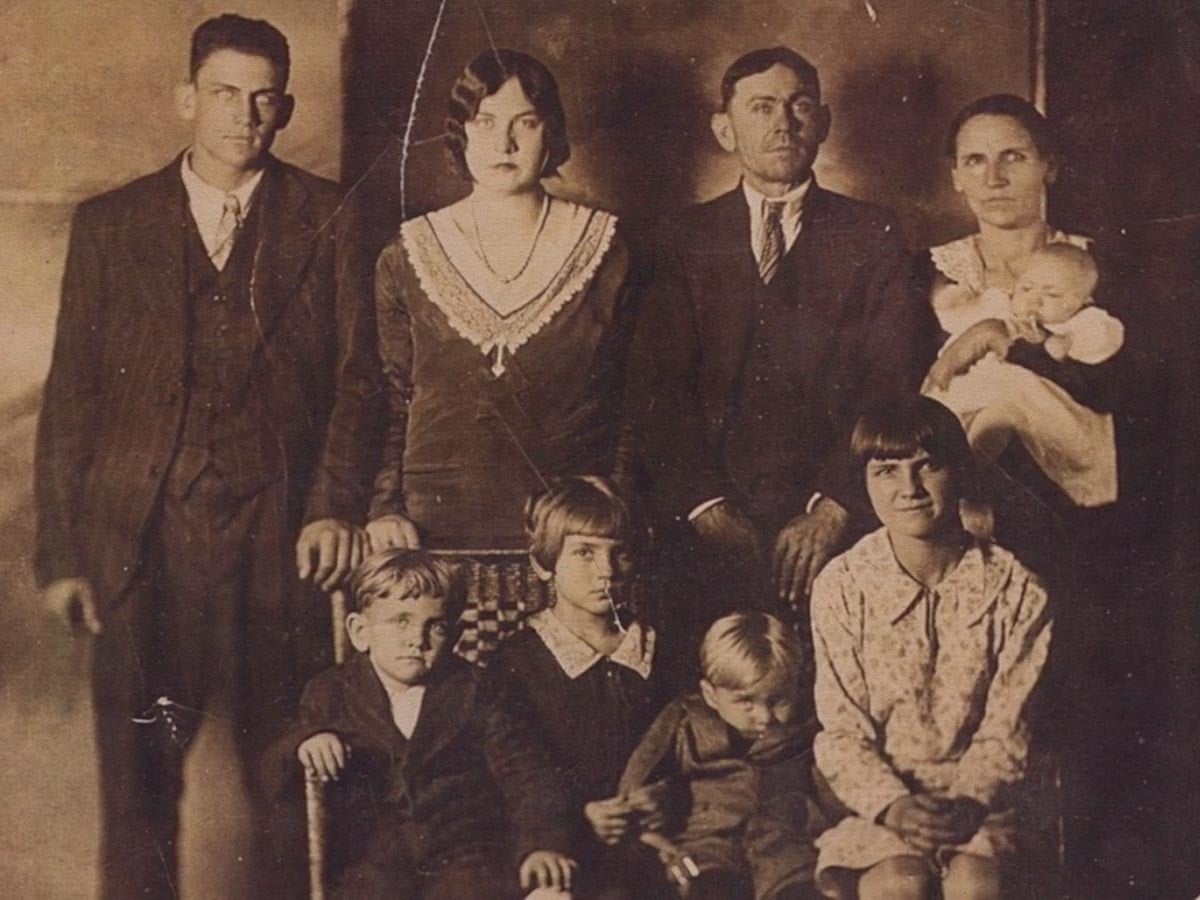
Days before Christmas, Charlie had taken his family out to buy new clothes and posed with them for a family portrait. Whether this foreshadowed the murders is impossible to know. On Christmas Day, Charlie sent two of his daughters, Carrie and Maybell, out to visit their uncle. When the daughters passed the family tobacco barn, Charlie shot them, placing their bodies in the barn.
When Charlie returned to the house, he shot Fannie while she was sitting on the front porch. Charlie then proceeded to kill the rest of his children, first by shooting his daughter Maria, then killing his sons James and Raymond. Finally, Charlie bludgeoned his infant daughter, Mary Lou, to death before wandering out to the woods in what is a beyond traumatising story.
Charlie’s oldest son, Arthur, had been sent into town to run errands that day. Whether Charlie purposefully spared Arthur or simply forgot to account for him was never known. Arthur returned to find his mother and siblings dead, with their arms folded and their heads placed underneath rocks. Charlie was nowhere to be found, but as the police began investigating, a loud shotgun blast was heard from the woods. Charlie’s body was found next to the tree he had been pacing around.
When the Carolina Buddies first recorded ‘The Murder of the Lawson Family’ in 1930, it hadn’t even been a full year since the haunting events had taken place. Not long after the song began to make the rounds, Charlie’s brother Marion took ownership of the house where the murders occurred and he had his own twisted plan.
Long before podcasts and YouTubers fond of wolf howl sound effects, the folk tradition of murder ballads, revivified by this ugly song, was effectively word-of-mouth true crime. The creepy track served as a way of preserving the story. It even led to an offshoot of proto-Dark Tourism with travellers flocking to the farm once Marion realised he could make a quick buck opening it up to the public, where laying eyes on the preserved Christmas cake was said to be a sight that never left your mind even 14 moonshines later.
‘The Murder of the Lawson Family’ wasn’t a hit in the traditional sense, but it did enter the popular folk canon. Bluegrass duo The Stanley Brothers adapted the song into ‘The Story of the Lawson Family’, which was later covered by the likes of Doc Watson and Robbie Fulks in the modern age. No matter who sings it, the song loses none of its terrifying real-life tragedy when it gets played.
Nearly a century later, Charlie Lawson’s motive remains unknown. Historians and true-crime researchers have proposed explanations ranging from financial stress and mental illness to injuries sustained in a farming accident and rumours that Marie, the eldest daughter, was pregnant. None has ever been conclusively proven. And that chasm of reason sends the coldest tremor from Stokes County through to folk’s grisly side even today.
The murder ballad was reawakened by the Carolina Buddies in a pop-adjacent style that has sustained. Their telling is creepy and novelistic in a way that reverberates in everything from In Cold Blood, the novel by Truman Capote, to Little Criminals, the album by Randy Newman.
But beyond all of that darkness, there’s also the sense of a green and pleasant land lingering among the bloody narrative. This was not a gaudy tale hoarded by the big city tabloids with blood-splattered polemics dominating the narrative, there was something quaint and mysterious at its core.
In some ways, much of modern folk taps into this side of the song: the idea that of meadows and worlds harder to understand than the cynical city resides in the likes of Big Thief and Fleet Foxes even if manic murderers do not. That side of things, however, has been adopted by the likes of Luvcat and Ethel Cain, too.
So, the shockwaves of the Lawson Family still ripple in more ways than one. Unfortunately.
