


100 years of ‘Cops’: Buster Keaton as the ultimate American anarchist

When it comes to the glittering filmography of the great Buster Keaton, it’s almost impossible to choose a favourite. Often cited as the most talented actor-director in the history of cinema, Keaton’s clever gags still manage to make the most stone-hearted audiences laugh.
Of course, the extremely physical nature of Keaton’s humour is one of the enduring appeals of his cinema. However, modern audiences continue to look beyond the gags in order to discover prescient sociopolitical commentary. From the meta-fictional deconstructions in Sherlock Jr. to the poignant critique of voyeurism in The Cameraman (Steven Spielberg’s favourite), Keaton was a genius in every sense of the word.
Out of these magical visions constructed by Keaton, younger generations might respond the best to his 1922 two-reeler titled Cops. It features Keaton as a young man who tries to win the heart of the mayor’s daughter, but she won’t have anything to do with a pauper. Setting out into the urban jungle of Los Angeles, he tries his best to make a fortune.
Some scholars have speculated that the film’s narrative might have been influenced by the highly publicised trial of Fatty Arbuckle, where he was accused of rape and manslaughter. However, the legacy of Cops extends beyond that specific historical framework by creating a narrative that is truly timeless.
Keaton’s protagonist is sucked into a Kafkaesque whirlwind, managing to anger the entire Los Angeles police force in one go. All he wanted to do was win the heart of a girl, but he is carried along by the currents of chaos, zipping around Los Angeles on a stubborn $5 horse with stolen furniture and his own dreams and aspirations.
The exquisite framing, the rapid pacing and the gorgeous cinematography combine to create a vision that is simultaneously hilarious and painful. Some audiences focus on the gags – such as the incredible stunt where he miraculously hangs onto a passing car without having his entire arm torn off. However, the social commentary is inescapable.
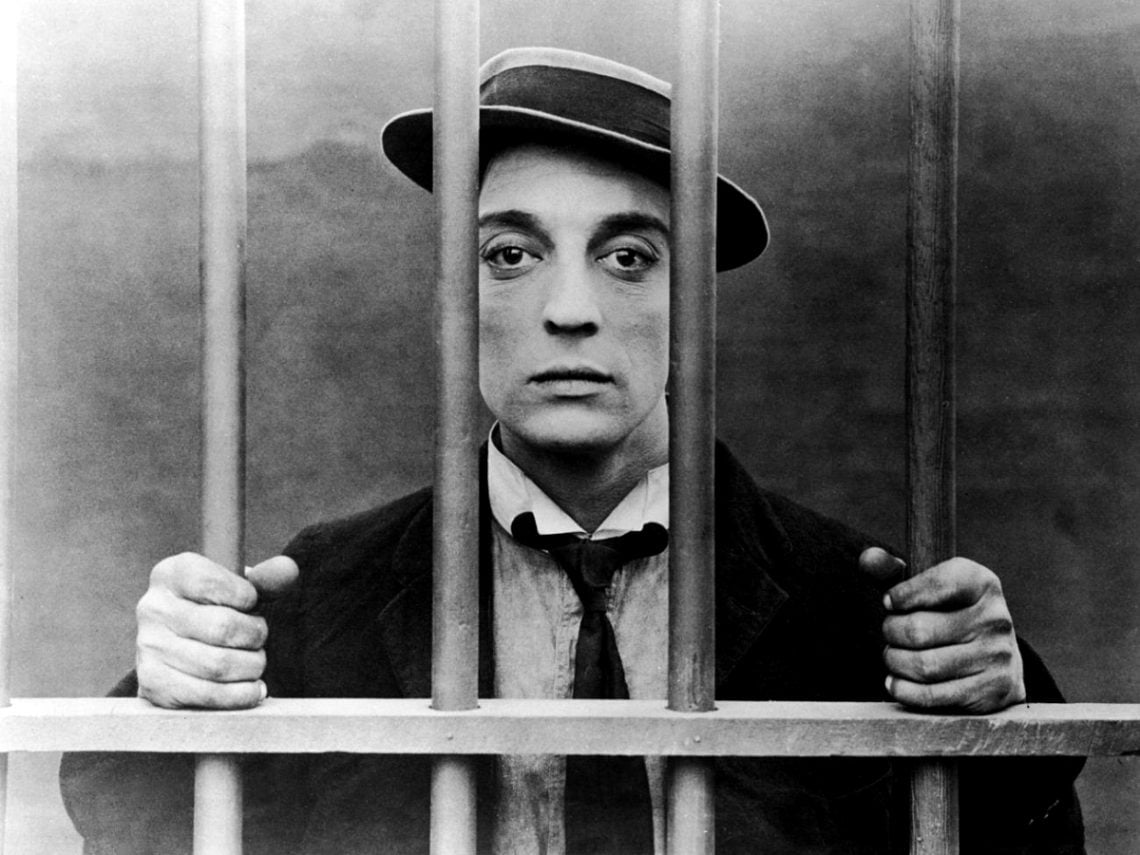
From the opening shot of Keaton behind bars (even though the camera later reveals that he is free, that freedom is an illusion in a capitalist police state such as America) to his anarchic destabilisation of the police force, Cops is the ultimate foil to the empty, self-congratulatory parades sponsored by the American government. Keaton mobilises the cinematic medium to create a dangerous spectacle, one that threatens to disrupt the status quo with a bang.
Watch the short below.
