


The 100 most important notes that BB King ever played

Despite the decades that have passed since he first picked up a guitar, BB King is still renowned as one of the greatest blues musicians of all time.
From the beginning of his career all the way to his final show in 2014, BB King’s life was surrounded by notes. His bends, vibrato, and blues licks all combined to create a sense of emotion embedded in music that would reduce the romantic musicians of old to tears. His interpretation of the blues, using it as a genre which is filled with heart, excitement, and sorrow, is the perfect representation of what remains a timeless style of music.
His studio recordings and live performances were all magnificent, as he carried emotion through time. You listen to albums recorded in the ‘60s, and every note, with his unrelenting majesty and unforgiving soul, hits in a way that would melt the coldest of hearts. Those strings were so much more than just a means to make music, they were somewhere he could rest his heart, his pain, his ambition, all in a way that struck a chord with those who listened.
In honour of the seismic impact BB King has had on the worlds of music and guitar, we have put together a list that contains the 100 most important notes that he ever played. These defined his career, showcased his excellence and continue to impact the blues to this day.
The most important notes BB King ever played:
1 – 12: The ‘3 O’Clock Blues’ intro
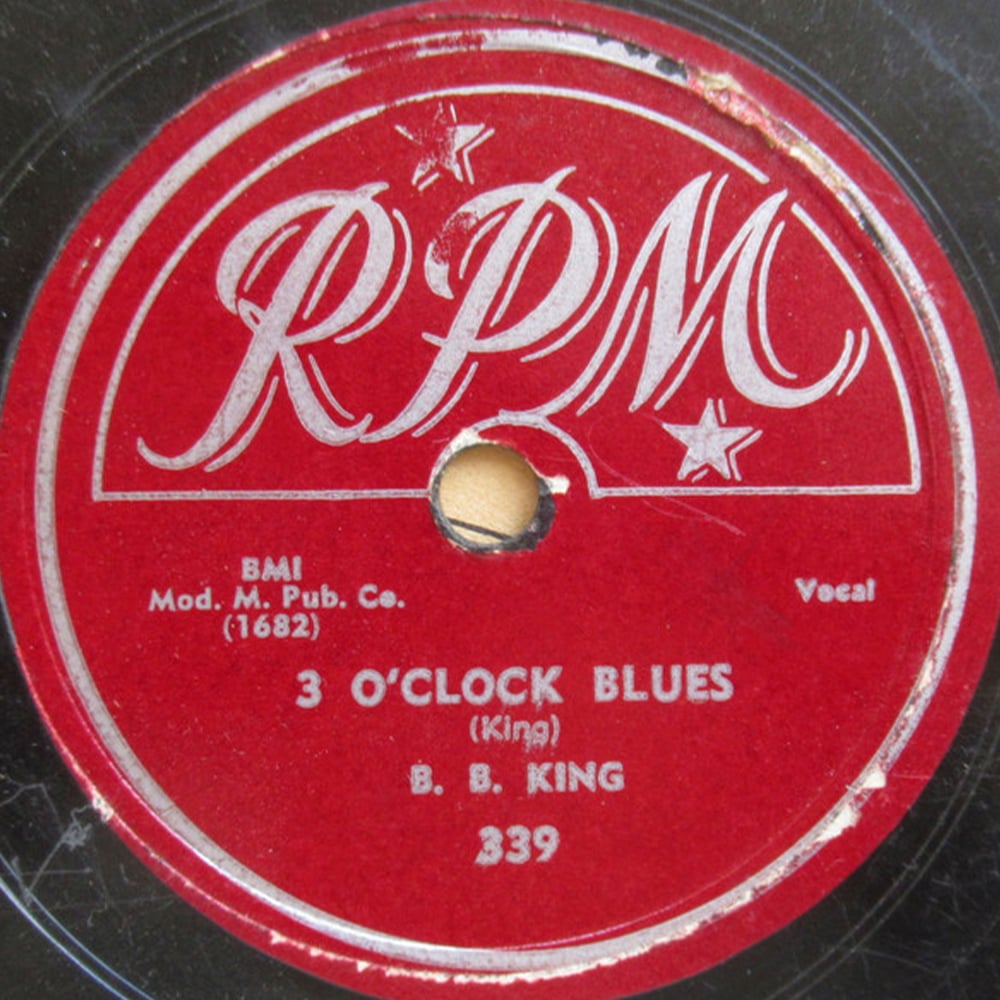
Starting on the G-string on the 8th, BB King plays one of his famous blues-infused licks at the beginning of the track ‘3 O’Clock Blues’. While it’s not the most impressive piece of guitar work that BB King ever played, it was the run that put him on the map. These 12 notes were a call to arms for anyone who cared about guitar work, telling them that BB King was here and ready to be their new favourite player.
The track was originally written by Lowell Fulson, and the music is a simple, slowed-down 12-bar blues. It gives the singer plenty of time to use their vocal inflexion, and the guitarist plenty of chances to solo. BB King took advantage of both these aspects of the song, and when he recorded and released his cover in 1951, it was his first nationwide hit.
The real King had arrived.
13 – 23: The lick in ‘How Blue Can You Get?’
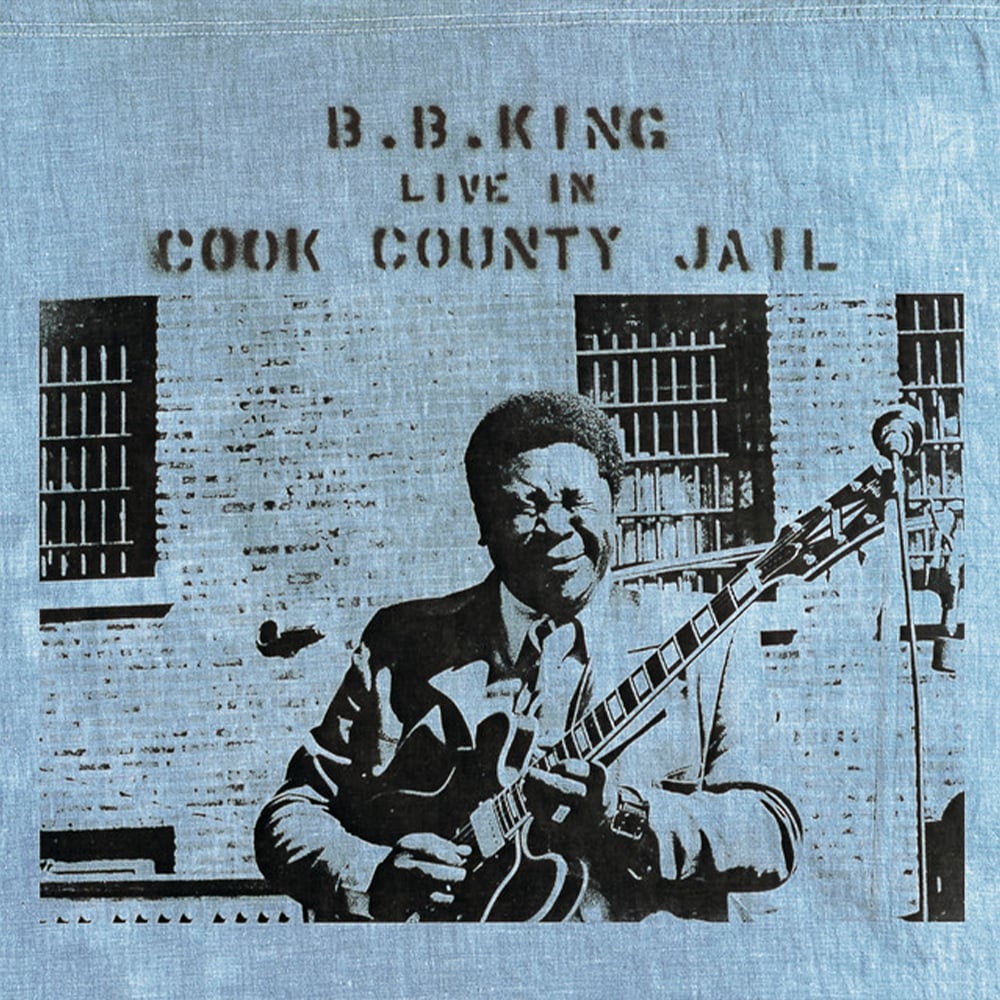
In a career which is flooded with pivotal moments, a significant turning point in BB King’s life came when he signed for ABC Records at the beginning of the ‘60s. Under this label, he would release some of his most influential albums, and because of the bigger budget attached to them, said albums were given the attention they deserved.
The first song he ever released under ABC Records was a re-recording of the track ‘How Blue Can You Get?’ There’s not a whole lot of guitar playing on this song, as it focuses much more on King’s raspy and heartfelt vocals. Lines like “I’ve been downhearted baby, ever since the day we met,” and “I gave you seven children, and now you wanna give them back,” hit in a way that not many vocalists could have achieved.
Towards the end of the track, though, King sneaks in a nice little guitar lick, nothing too flash, just a hit of bends and vibrato to let the listener know the guitar is still with him and he still has mastery over it. This is one of his bluest songs ever written, and it showed anyone who hadn’t already heard him just how much of a talent BB King was. How blue can you get? It turns out a fair bit.
24 – 25: The final two notes on ‘Help The Poor’
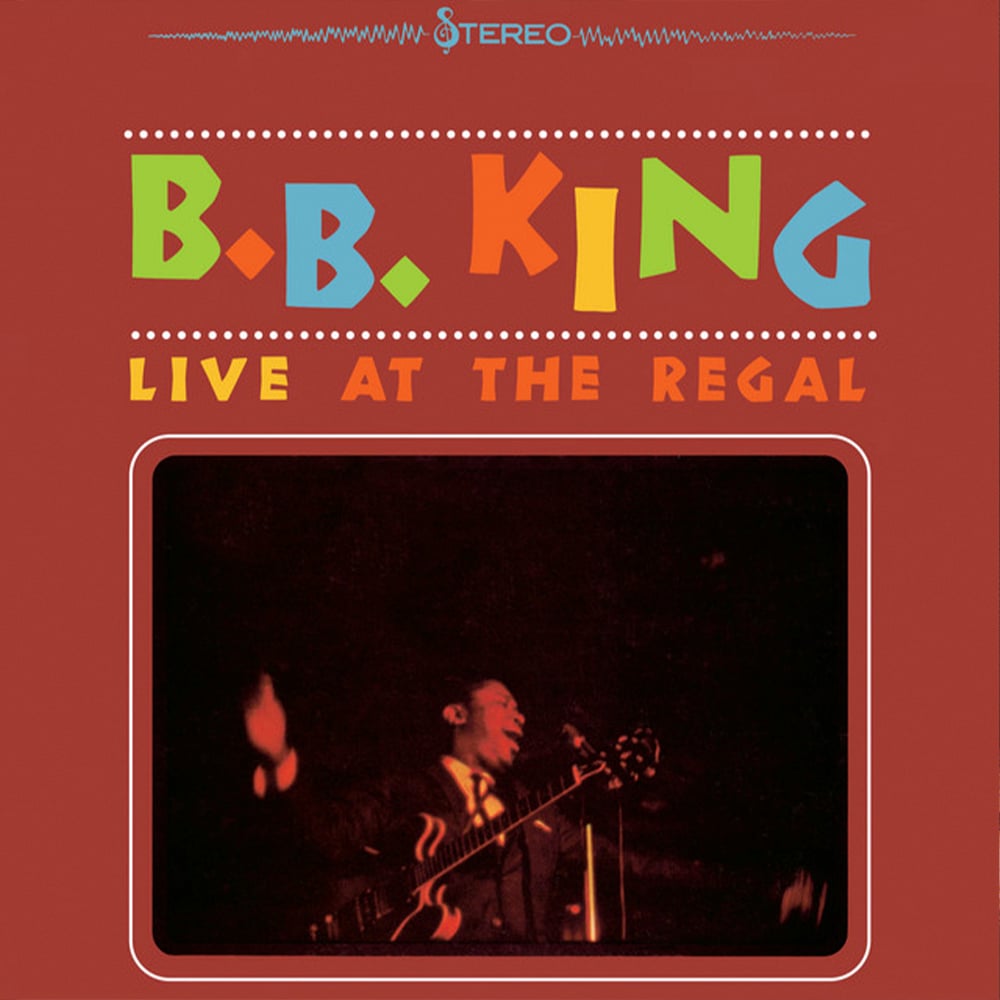
There are very few albums that can be successfully marked as an important moment in time, as something which sets a bar and constitutes a turning point for an entire genre. This is what BB King did with his record Live At The Regal.
Released on ABC Records, this is the definitive BB King album, as it captures his exceptional talent as a guitarist, singer and all-around performer.
The final track on the album is ‘Help The Poor’, a relatively simple number but well-played and with a good message. The outro comes with King repeatedly singing, “Help the poor, help the poor.” It’s the final moments in one of the greatest blues albums ever recorded, and with a swagger unlike any guitarist prior, King signs it off with two notes, one hit, one slide. Job done. The greatest blues album of all time.
26 – 45: The introduction to ‘The Thrill Is Gone’
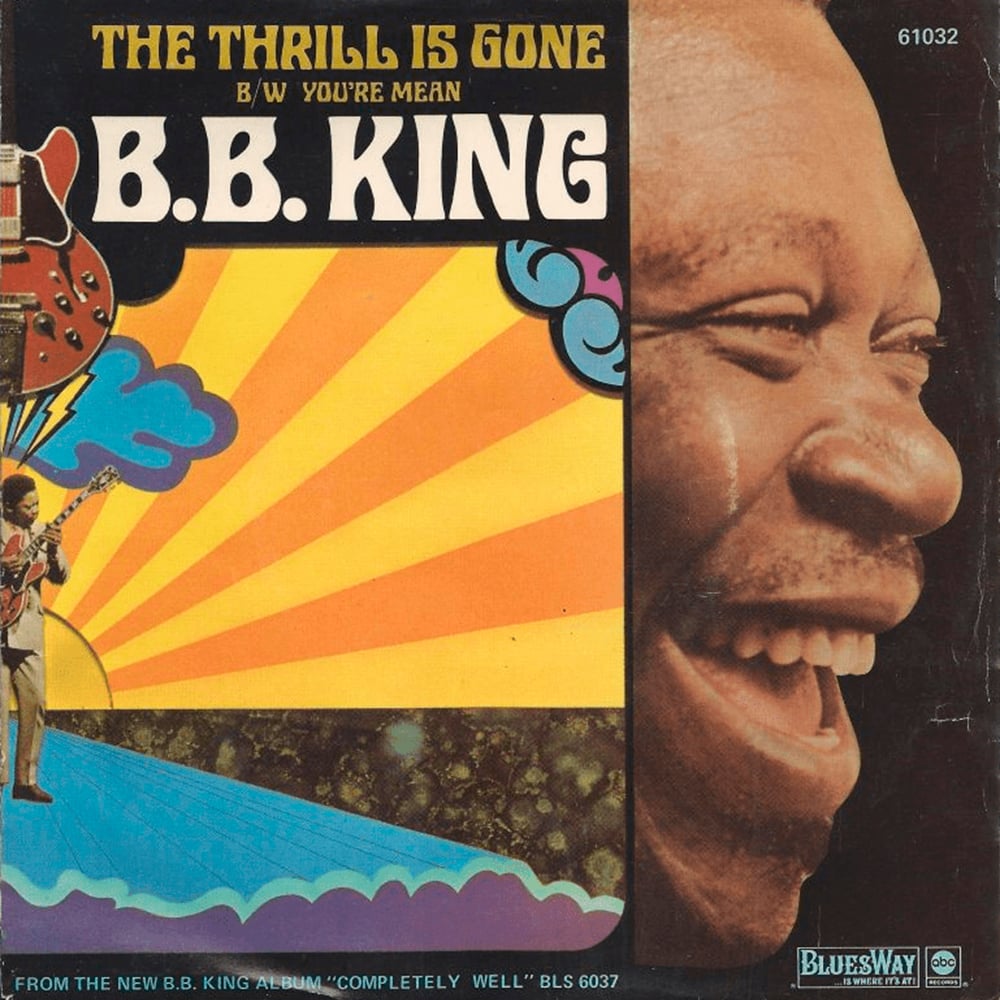
Let’s be real, every single note in this song could have been considered the most important that BB King ever played. ‘The Thrill Is Gone’ is his biggest track, one that really took off, the first that people stumble across when they listen to his music, and the one that won King a Grammy for ‘Best R&B Performance’.
So, why have these first 19 notes been singled out? They sound great and welcome the listener into the track, sure, but more than that, he creates a run of notes that could easily stop on the D-string of the ninth fret. It would have a definitive end to that lick, and would allow him to move onto another, but he doesn’t do that. He instead continues playing and moves up to a bend on the 10th fret of high E. This is a testament to King’s bending ability, improvisational technique, and the fact that he was always willing to take his music one step further rather than take the easy way out.
King would play himself into corners and then spend time improvising in a bid to find his way out of them. It was a treat to listen to, and it’s what separated him from the majority of other guitarists at the time.
46 – 51: The first five notes on ‘Lucille’
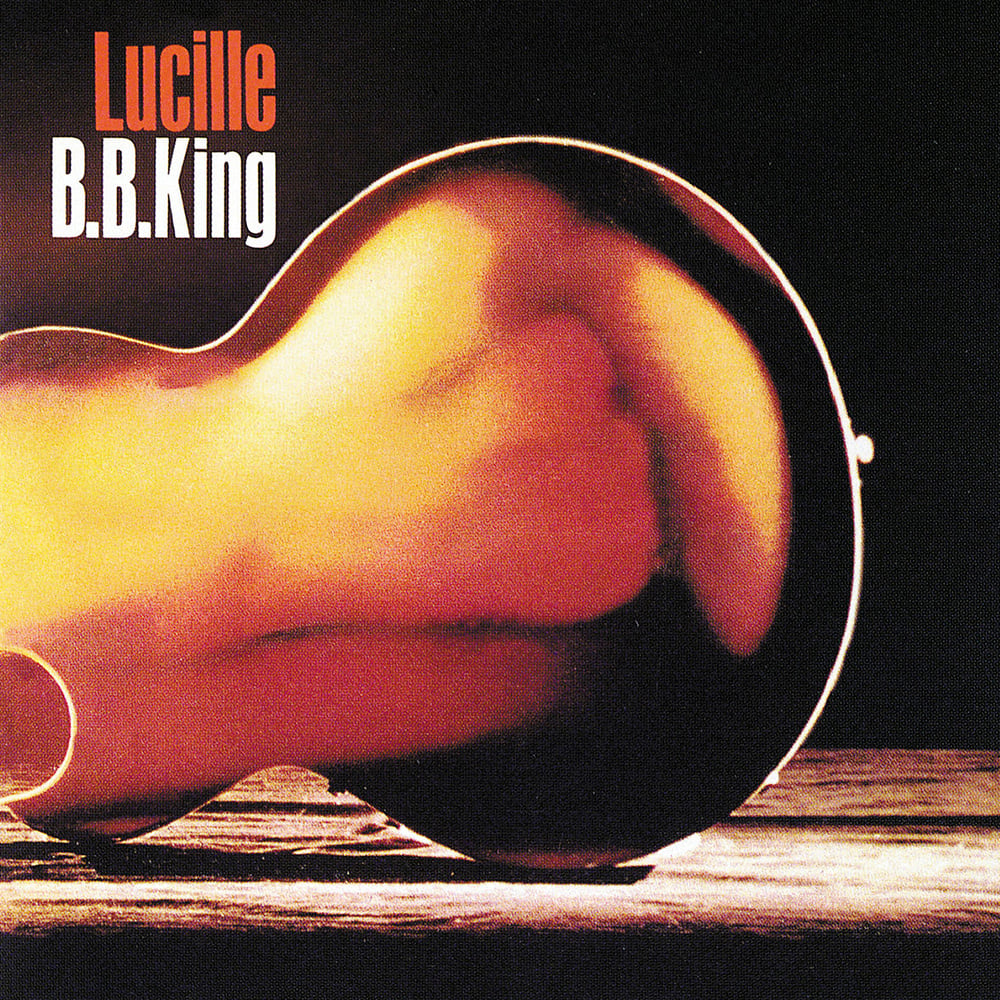
Where would BB King be without his iconic guitar? The man and his instrument have a relationship which allows them to perfectly entwine with one another, meaning every note he plays comes across as heartfelt and natural. While he’s played a few different instruments in his time, he became most well known for his large, black, hollow-bodied Gibson, something which fans now buy replicas of in a bid to sound somewhat like the blues legend.
His guitar was named ‘Lucille’. He came up with the name following an incident in a club where, thanks to a woman of the same name, the club was set on fire.
BB King took on the flames, putting his life at risk in a bid to save his six-string. When he eventually emerged from the building with his guitar, he decided to name the instrument after the woman who caused the fire. The song ‘Lucille’ is an ode to his guitar, one of the most important things that BB King has ever owned.
52 – 53: His first and last notes on tour with The Rolling Stones in ’69
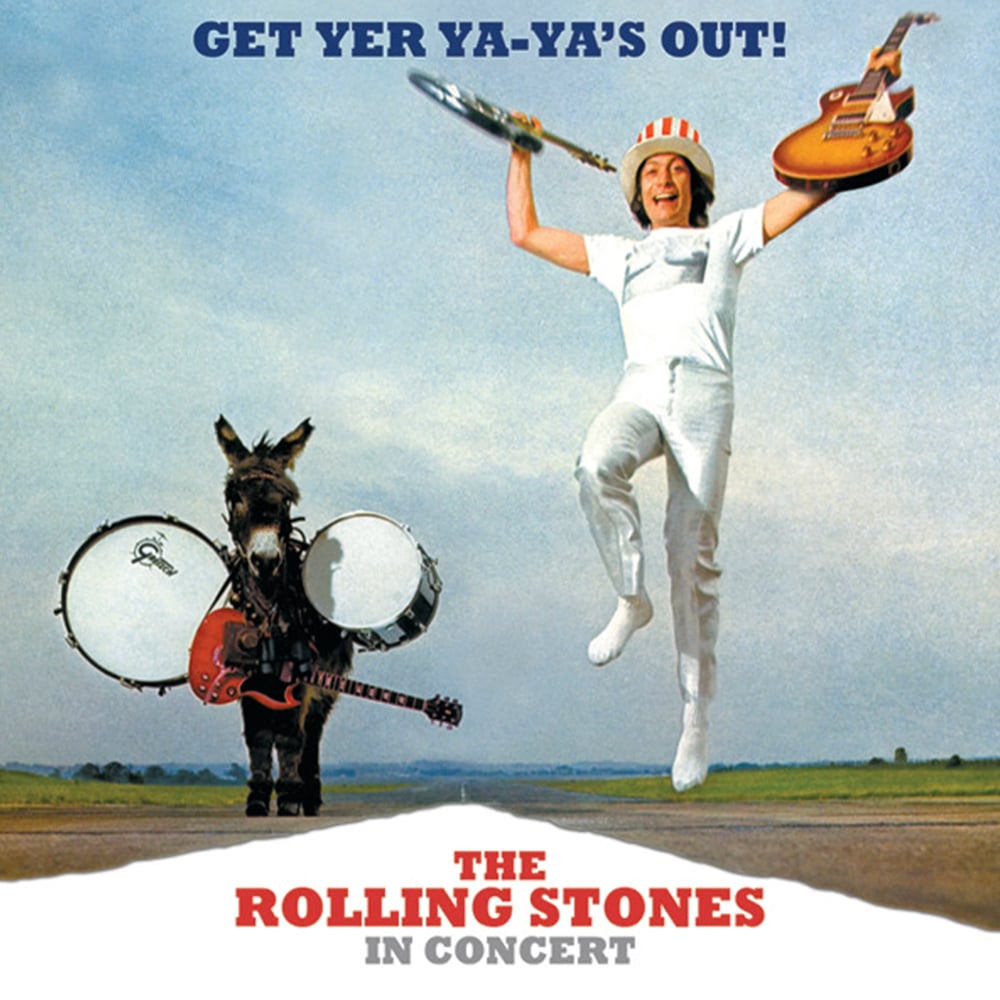
The Rolling Stones were massively influenced by the blues and R&B musicians. It was a Muddy Waters tour that originally inspired a lot of the band members to begin playing music in the first place. They took these genres and gave them their own spin, which propelled the Stones to astronomical heights, helping them gain fans who had never previously listened to the blues.
In 1969, the Rolling Stones embarked on a tour with BB King in support. This was a huge moment for King, as the blues icon now had a chance to impress these fans who weren’t as well-versed in the genre. The result was that his sound was taken to new, more mainstream audiences, and this tour was a huge step towards BB King becoming one of the most famous guitarists on the planet.
From November 7th in Fort Collins to November 29th in Boston, King took his blues sound to the masses, and every note he played, every bend, every hit of vibrato, all contributed towards what was an incredibly successful run. With a tour that contained such a huge amount of excellence available, we’ve settled on just including his first and last notes.
54 – 64: The back and forth halfway through ‘I Need My Baby’
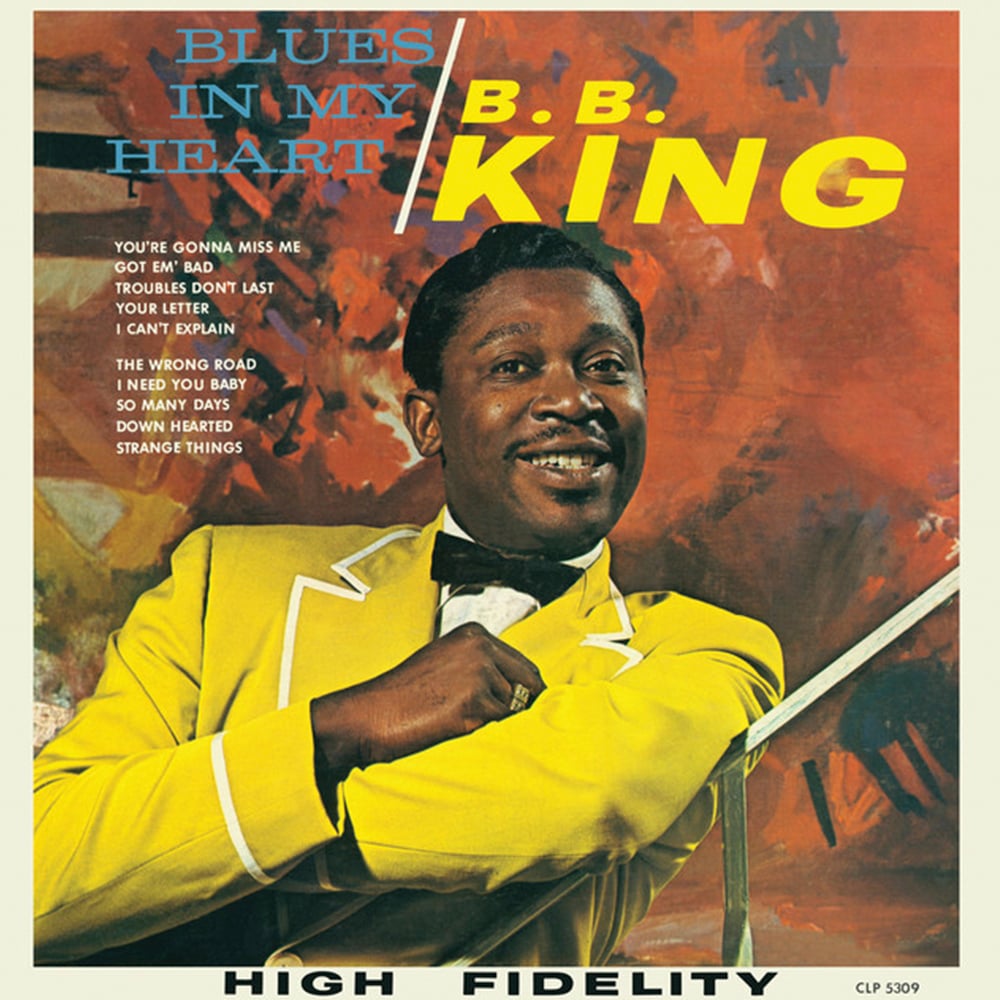
The beauty of the blues comes from how well good musicians are able to improvise within the genre. King was one of the best examples of this, hence why so many of his releases were live albums. They captured a moment in time, improvised licks and runs that could only ever have been conjured up in that moment. We hear King at his loosest on the 1971 recording Live in Japan.
The record wasn’t released to American audiences until the ‘90s, so a lot of the songs on this record flew under the radar of avid listeners for some time; however, when they eventually had the chance to listen, they uncovered a new, looser, and more funk-infused side of King that they wouldn’t have heard before. All the songs are a great representation of this, but ‘I Need My Baby’ is a real standout.
The whole track is a great reflection of improvisation and the exciting musical moments that King was capable of conjuring, but the back and forth he has with another guitarist about three and a half minutes into the song feels like a very impromptu and beautiful-sounding boast of blues. It’s a must-listen for any fans of King, and any fans of the genre in general.
65 – 76: THAT build up in ‘I Believe To My Soul’
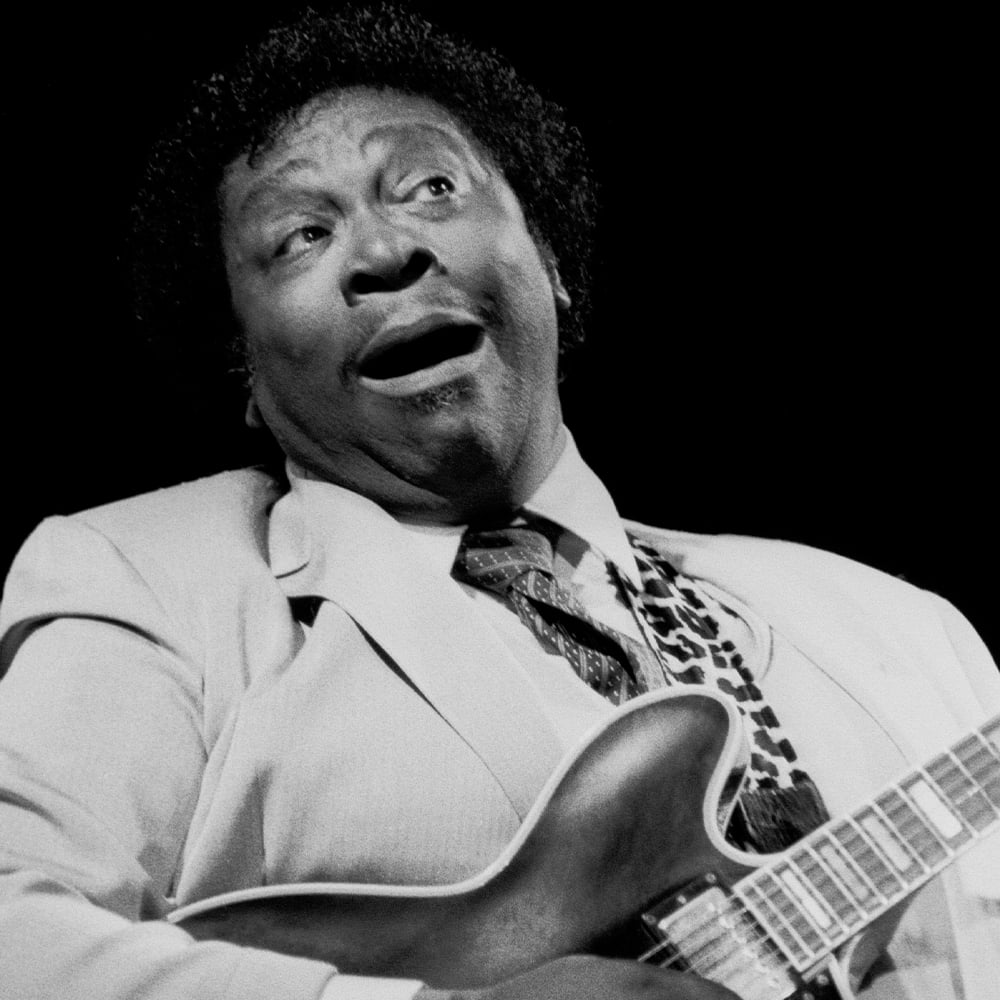
If there’s ever going to be a performance that will make you fall in love with BB King, it’s this one. King, along with a line-up of great musicians, all played a three-day music festival which accompanied the iconic Rumble In The Jungle boxing match up between Muhammad Ali and George Foreman. Outside of the fight, King’s performance was one of the highlights of the weekend, and this performance of ‘I Believe To My Soul’ is a great showcase of why.
The whole thing showcases exactly what made King the best blues player in the world. His facial expressions, his movement, and how much fun he appeared to be having are all on display, alongside, of course, some great music.
In six minutes of excellence, there is a quick 11 note build that occurs about one minute and 50 seconds into the track which makes me smile every time I hear it.
77 – 90: Jamming with jazz musicians in Baku
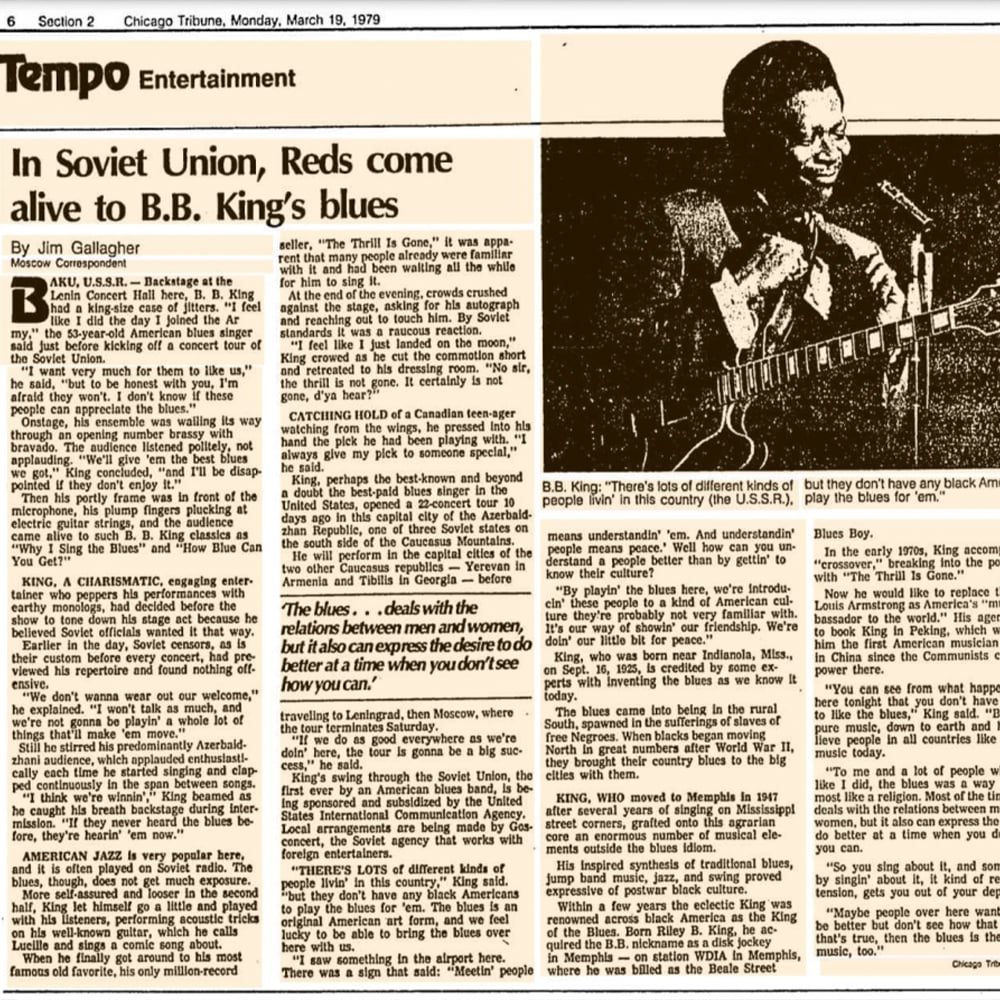
In the spring of 1979, King showed just how willing he was to continue pushing boundaries in music. He did this by being one of the first mainstream R&B musicians to tour around the soviet union, showing the world just how connected they could be through the power of music.
The entire tour was very well received, but it was his shows in Baku and Tbilisi which went down in history.
King did what he has always done best at these shows: improvise better than anybody ever could. Playing on stage with local jazz musicians, he was able to bring the power of the genre he knew so well to the masses who might have never seen such music live before. These weren’t just important notes for King, they were important for people around the world, as fans became enamoured with his mastery over the six-string.
91 – 100+: Every single note of his final ever performance
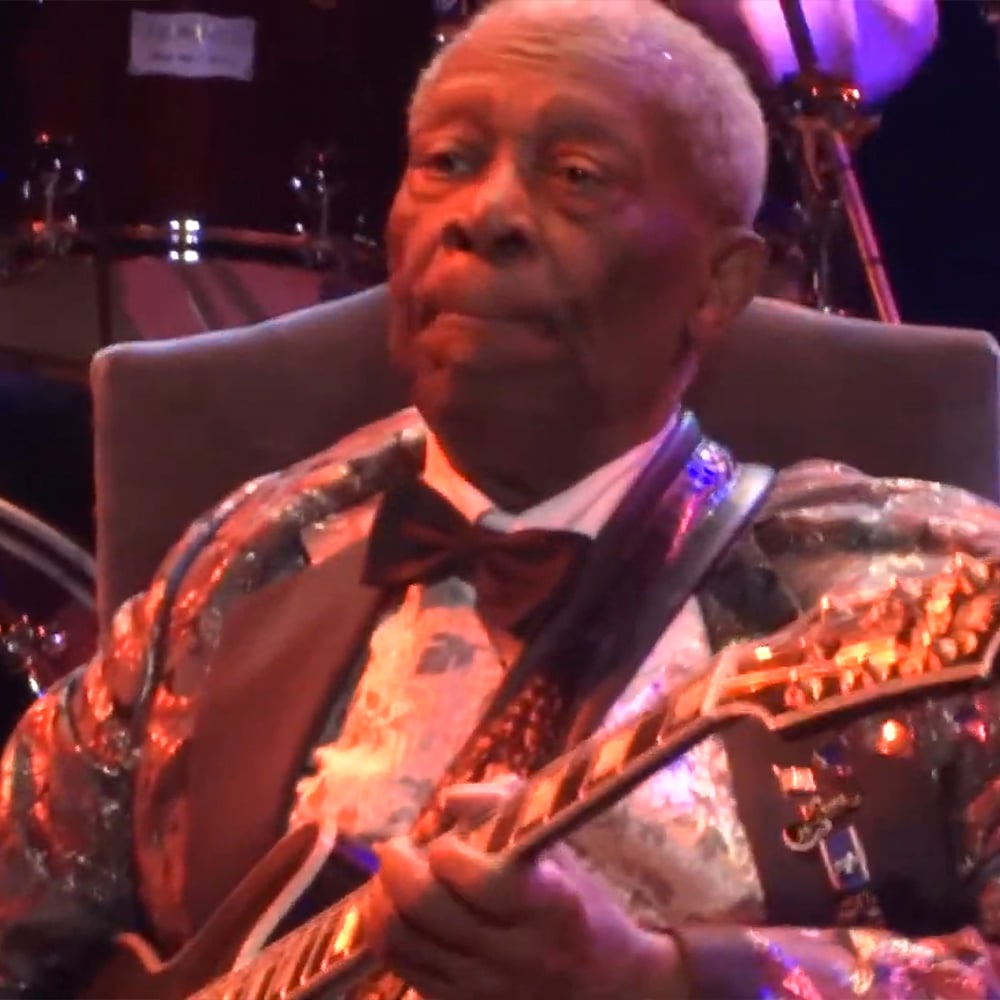
As a man who had made a name for himself as a live performer, it’s hard to imagine what might have been going through BB King’s head on June 12th, 2014, when he took to the stage for the last time. At The House of Blues in Chicago, he sat down with Lucille and gave the audience something he had given thousands more in the past. But now, it was for the last time.
He closed out the set with ‘The Thrill Is Gone’ a song which had followed him around his whole career. Those notes rang out through that room, bouncing off every corner of the walls, as the blues legend opted to call it a day.
He passed away almost a year later on May 14th, 2015. That final performance remains a full stop on the career of one of the best guitarists of all time. Truly otherworldly.
