


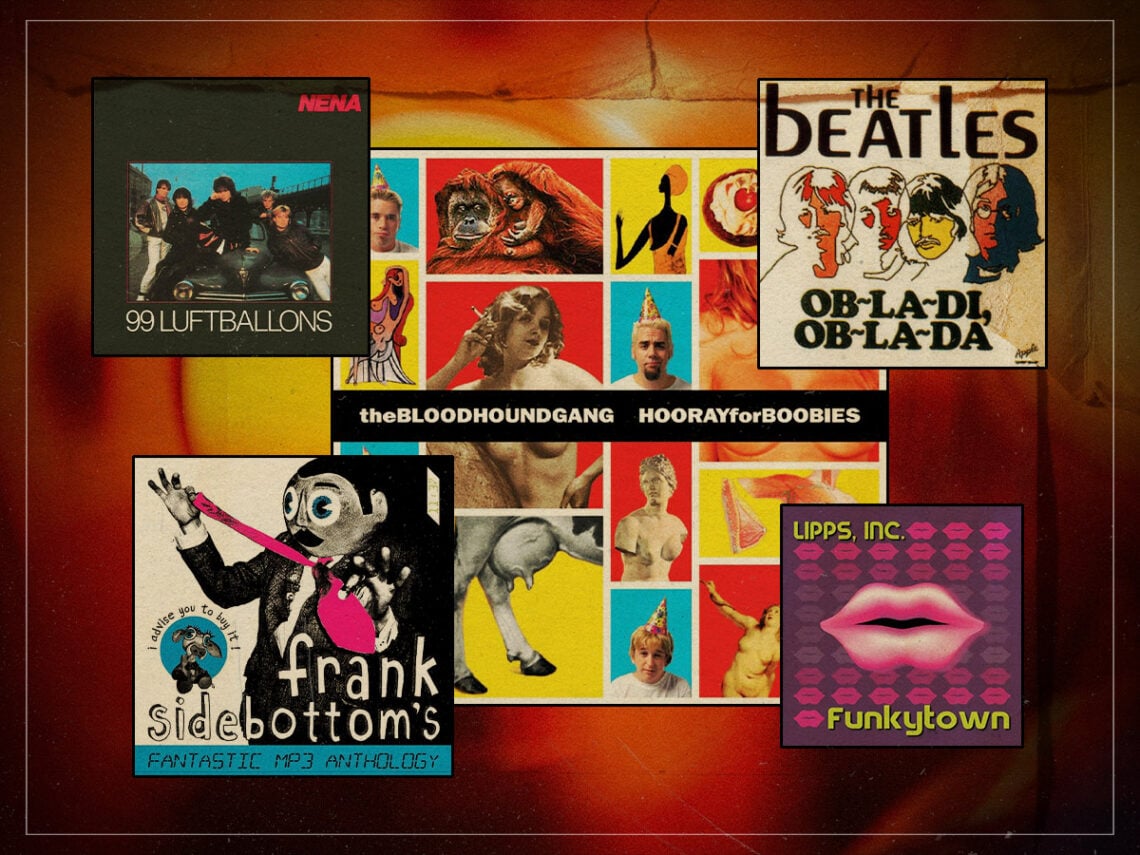
10 terrible songs that are secretly masterpieces

TS Eliot once said, “Genuine poetry can communicate before it is understood”. Maybe that’s what the Red Hot Chili Peppers were getting at with ‘Give It Away’.
Sometimes, Eliot’s quip can also be the Achilles’ heel of art. We can often think that we have fully grasped everything a work of art communicates before we have fully understood it. So, great masterpieces are cast to the ash heap of history like a speed dating partner undone by a simple twist of fate before we ever got to know them.
While you might listen to ‘Like a Rolling Stone’ for the first time and have most of the meaning pass you by, you can easily interpret that there is more to Bob Dylan’s searing ire than just a long ramble. Somehow, the song just naturally makes it perfectly clear that you’re dealing with a masterpiece of great depth.
Not every song is capable of this canny feat, but that doesn’t make these unassuming sorts inherently bad either. In fact, there are a legion of tracks that might come across as hollow, hamfisted, and even horrific upon first listen, that turn out to be triumphs when you truly give them the time of day.
These are the songs we’re mulling over below. These are the ugly ducklings that grow up to be the king of the pond upon further consideration. From gloopy pop that perfectly skewers capitalist realism to cover versions that actually strike closer to the heart of true panic than ‘Panic’ itself, these ten songs might be shoddy on the surface, but they’re secretly pretty great.
10 terrible songs that are secretly masterpieces:
‘We Didn’t Start the Fire’ – Billy Joel
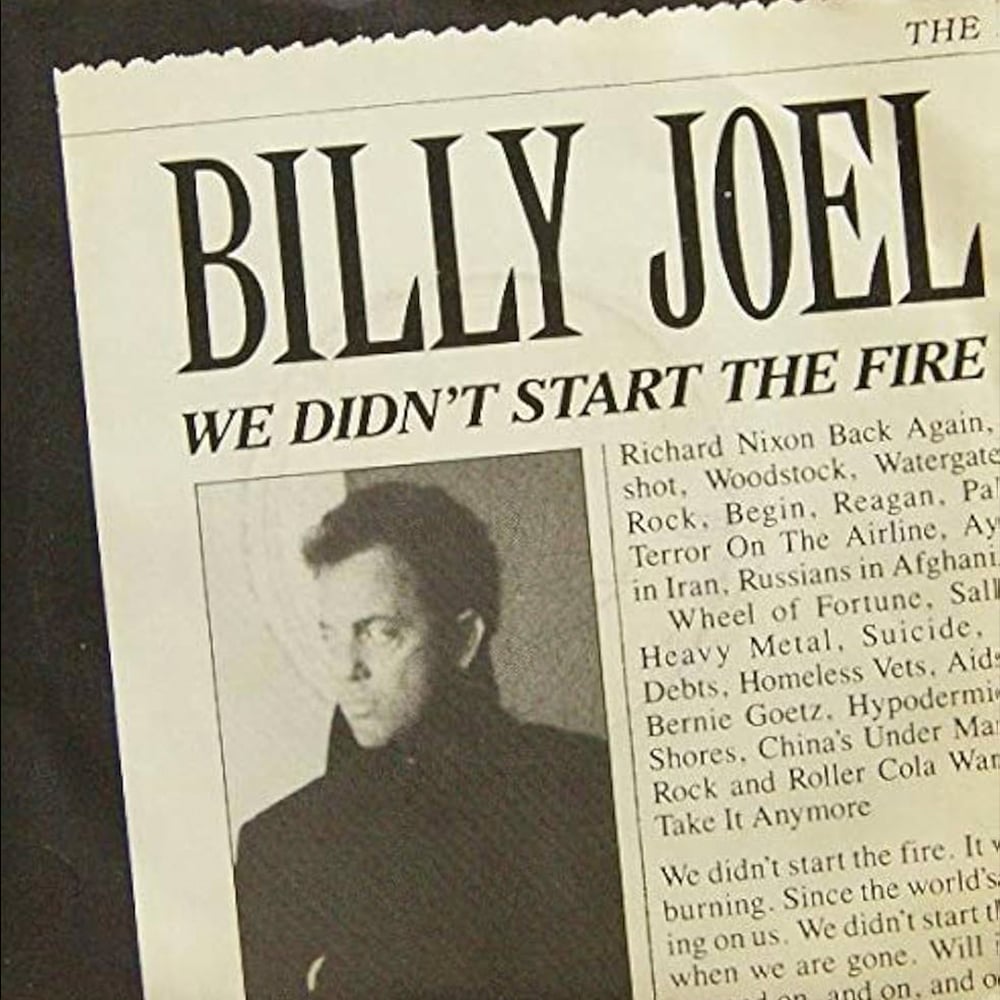
You get the sense that Billy Joel would be prouder to claim ownership over a silent fart in an elevator rather than ‘We Didn’t Start the Fire’. He has bashed his classic creation from pillar to post in a barrage of self-abuse over the “worst musical thing” he’s ever written. And while he’s right that it’s corny, contains about two notes, and has all the classiness of a brawl at Aintree, it is also utterly ingenious.
In less than five minutes, the maestro manages to rattle through a linear chronicle of modern history. Along the way, he makes a point that proves eternally pertinent: we are trapped in a permacrisis. Things have always been bad. But then, the utter misery of that remark inverts itself thanks to the adrenalised rhythm that he likens to a “mosquito”. Augmented by Joel’s littered pop culture references, it says in its own way: problems are perpetual, but at least with music we can dance all over them.
‘Ob-La-Di, Ob-La-Da’ – The Beatles
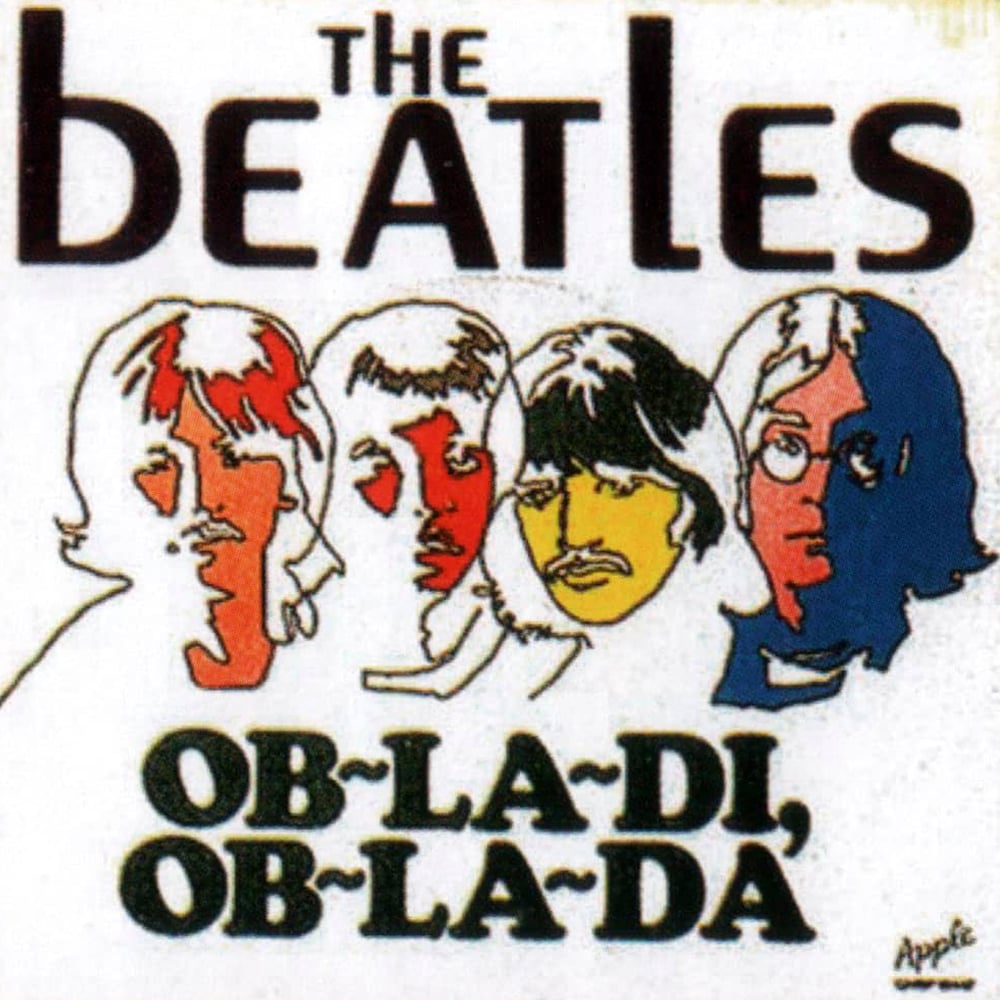
John Lennon might have described it as “granny shit” music, and George Harrison and Ringo Starr might not have been cockahoop either, but is ‘Ob-La-Di, Ob-La-Da’ really the worst Beatles song? For my money, it’s not even close. In fact, it gets pretty close to explaining the potency of their appeal.
Firstly, it taps into their innovative wont by borrowing from the then-untapped worlds of reggae and ska. Musically, it is one of the first examples of the four chords of modern pop, but McCartney modally mixes it up to inject this simplicity with an idiosyncratic edge. Then there’s the absurdist fun of the narrative. And to top it off, the backstory – with John Lennon bashing the keys in frustration – imbues the song with a window into their brotherly creative bond.
‘(You Gotta) Fight For Your Right (To Party!)’ – Beastie Boys
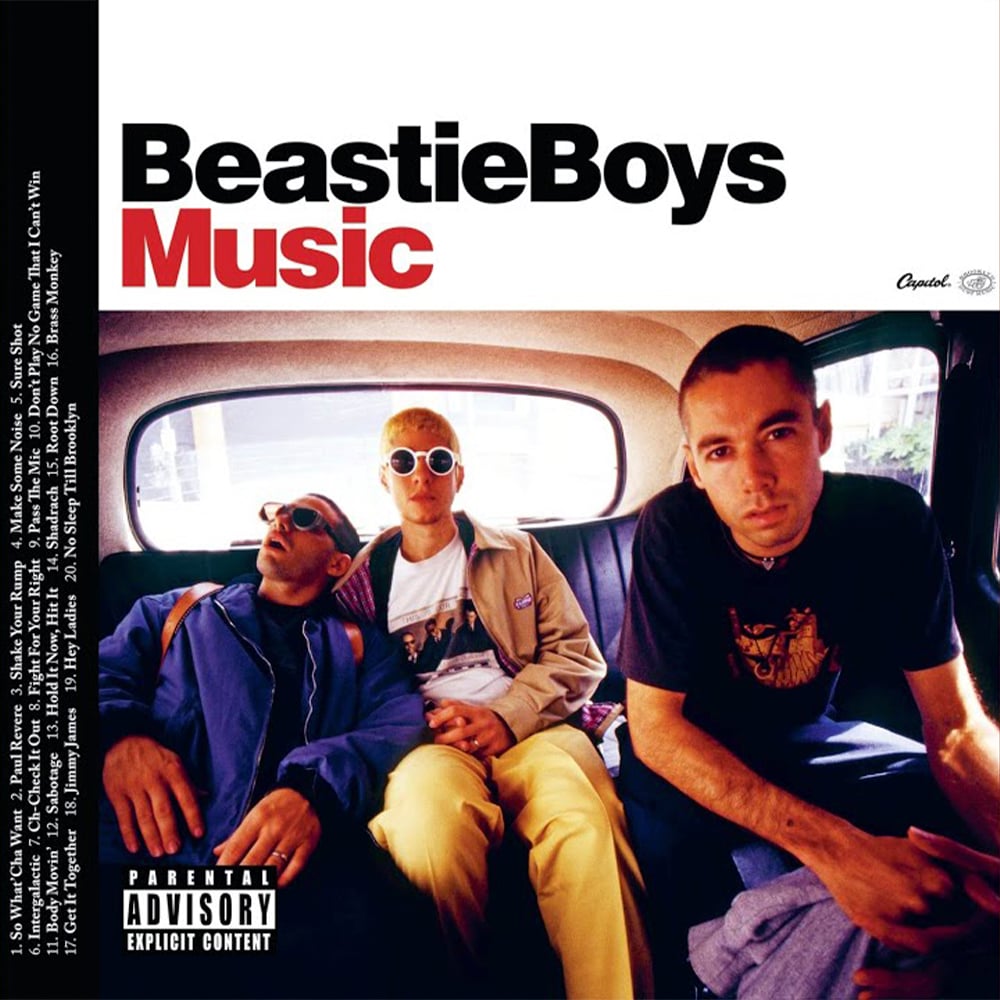
Once again, the band themselves were more repulsed by their own creation than Dr Frankenstein after his monster turned out to be a murderous oath. They figured it was misinterpreted by the frat crowd, and the sense of parody was lost. It’s easy to see why that happened, the song has a profoundly moronic aura, and is just as grating as noisy neighbours.
However, when you get into it, it’s actually akin to the kid with the backwards baseball cap who claims he ‘didn’t revise’ but is actually a bookworm who scored an A+ without ‘even trying’. Not only did it parody dumb, macho hair-rock so seamlessly it felt like the real thing, but in doing so it did actually codify a sense of the importance of subversion and fighting for something among the fans who saw through the joke.
‘The Ballad of Chasey Lain’ – Bloodhound Gang
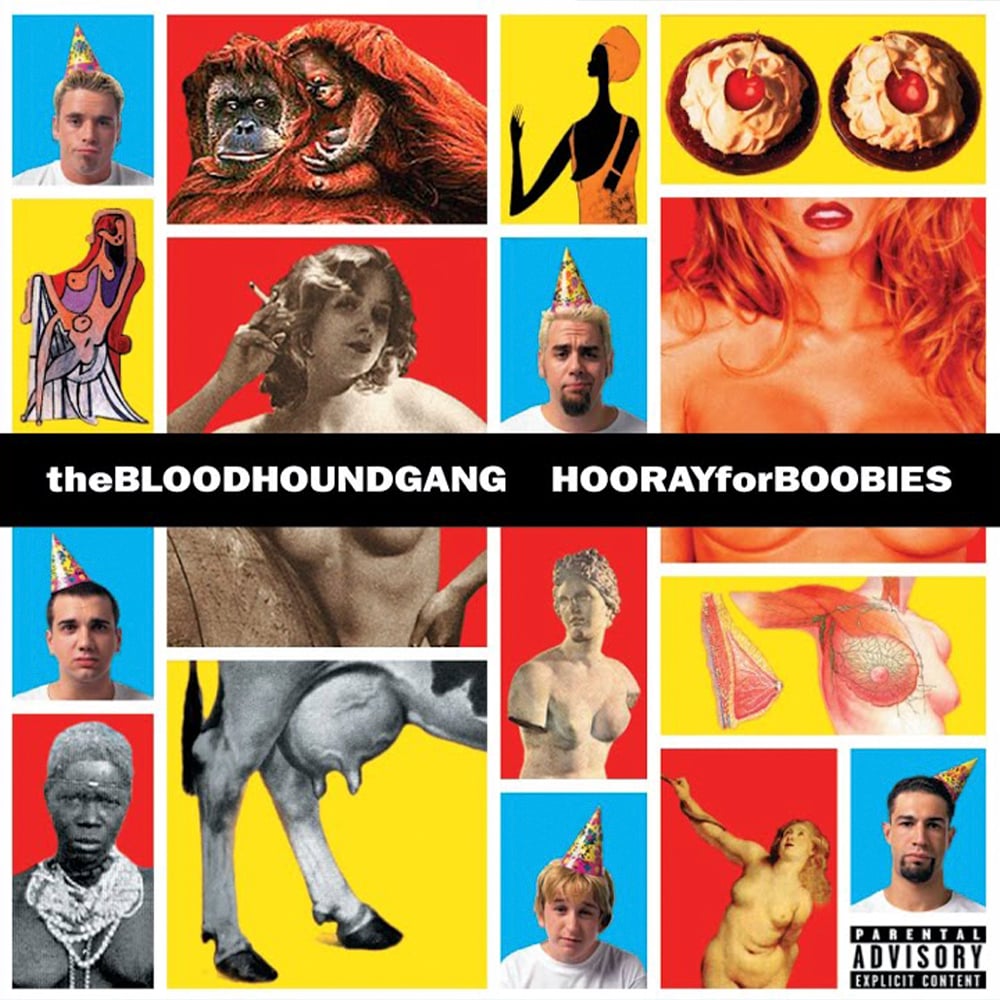
In 2020, a study in the US found that 10.3% of men reported some form of porn addiction. Further studies have found that the true figure is very likely higher but is under-reported due to the difficulty in collecting accurate data on a subject matter as taboo as pornography. The problems associated with this epidemic are myriad, but one of the most recent is the disturbing rise of a misguided sense of ownership and stalker-like tendencies related to OnlyFans models.
Whether or not the Bloodhound Gang foresaw that, their track ‘The Ballad of Chasey Lain’ certainly proved to be a prescient prognostication of the internet’s sorry relationship with porn performers. It’s unlikely that they did foresee this given that they were all approaching their 30s when they released an album called Hooray for Boobies, but whether it was inadvertent or otherwise, this classic pop-punk track is now primed for sociologists to pull apart and delve into its demented depths.
‘Telstar’ – The Tornados
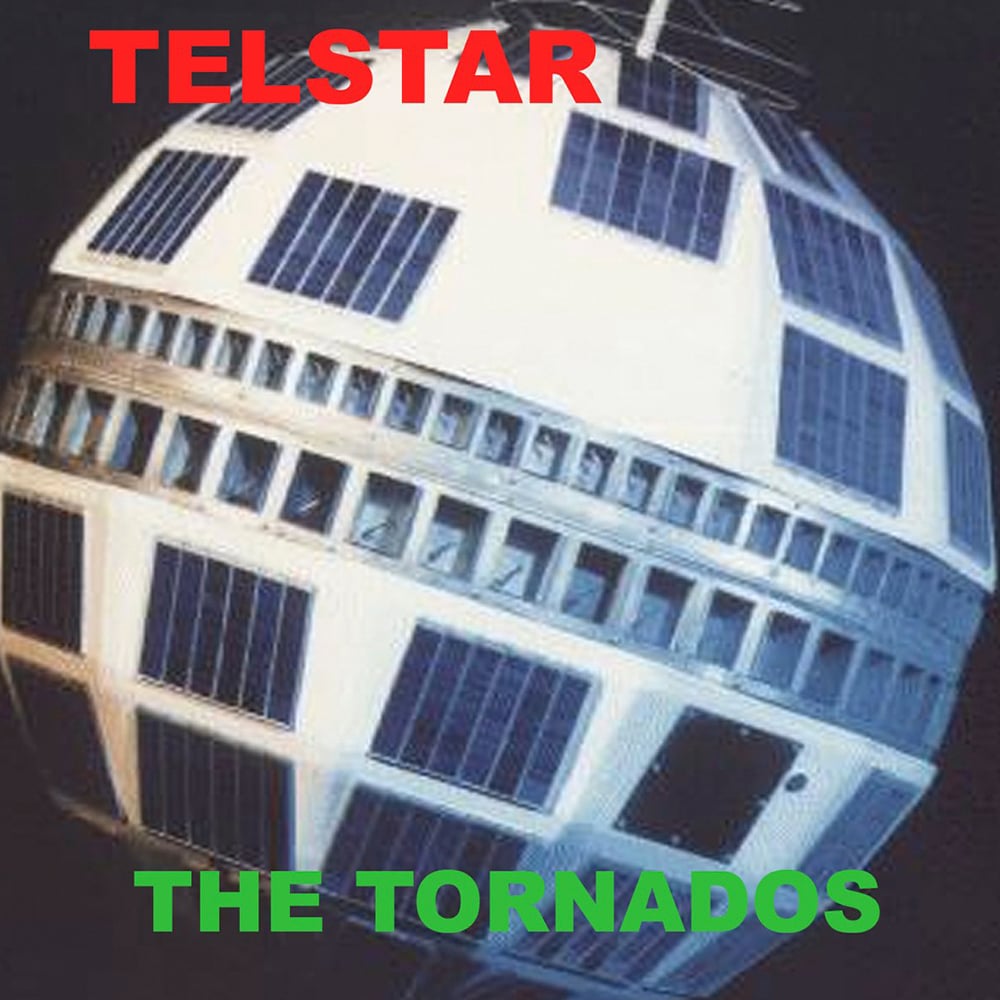
Listen to the song in isolation and it proves very unremarkable. But delve into the details and you find one of the most important songs in history. For starters, this was the first song by a UK act to top the American charts, paving the way for the British Invasion and all the masterpieces that movement brought about.
Beyond that, it is also a sonic ground zero, pioneering ‘space rock’ techniques that transformed music. All these factors don’t quite make it a magical listen, but they do make it just about one of the most important songs of the 1960s, and you can’t scoff at that. What followed for the producer Joe Meek might’ve been utterly tragic, but this triumph changed the world, tapping into the strange days of the space race in the process.
‘That’s Me Trying’ – William Shatner
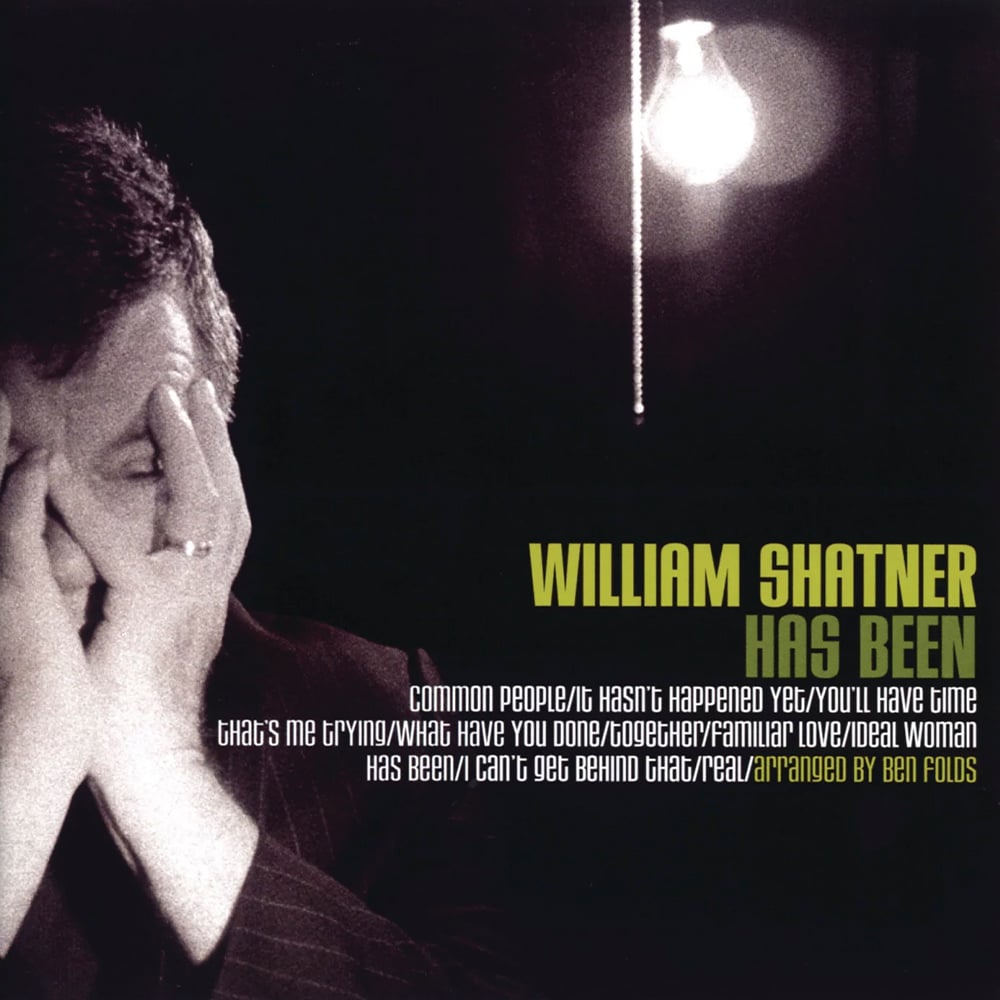
‘That’s Me Trying’ was released in 2004. In the interim, a clear consensus of whether it is a joke or not has never been arrived at. William Shatner sings with such sincerity that it creates an enchanting feeling of a profound lack of self-awareness. Alas, that lack of self-awareness is so profound that it stretches the limits of psychological credulity.
Because of this highwire act of just about unfathomable narration that teeters on the brink of an obvious joke, the track has become a masterpiece unique in all of the world. Each line is perfectly clear, augmented in a literal sense thanks to Shatner’s pronounced diction, and yet it is a treasure trove of ambiguity. Somewhere in amongst it is a track probably a thousand wayward pop culture fathers would’ve written if they didn’t know better about being too honest.
‘Funkytown’ – Lipps Inc
There are some songs that you hear on a hangover and suddenly wish that the world was devoid of music altogether. ‘Funkytown’ is one of those songs. There’s a brief window of a situation in which it is a banger, but by and large, it is a grating loop of aural cheese. However, ‘loop’ is the all-important word there.
This Lipps Inc track actually managed to pioneer a slew of electronic techniques that would massively influence house music and more. Its cheesy synthetic texture reverberates throughout early techno too. So, the song might be almost childlike to the ear, but delve into the designs and you’ll find a carefully considered piece of music that predicted a lot of what was to come in music.
‘Panic’ – Frank Sidebottom
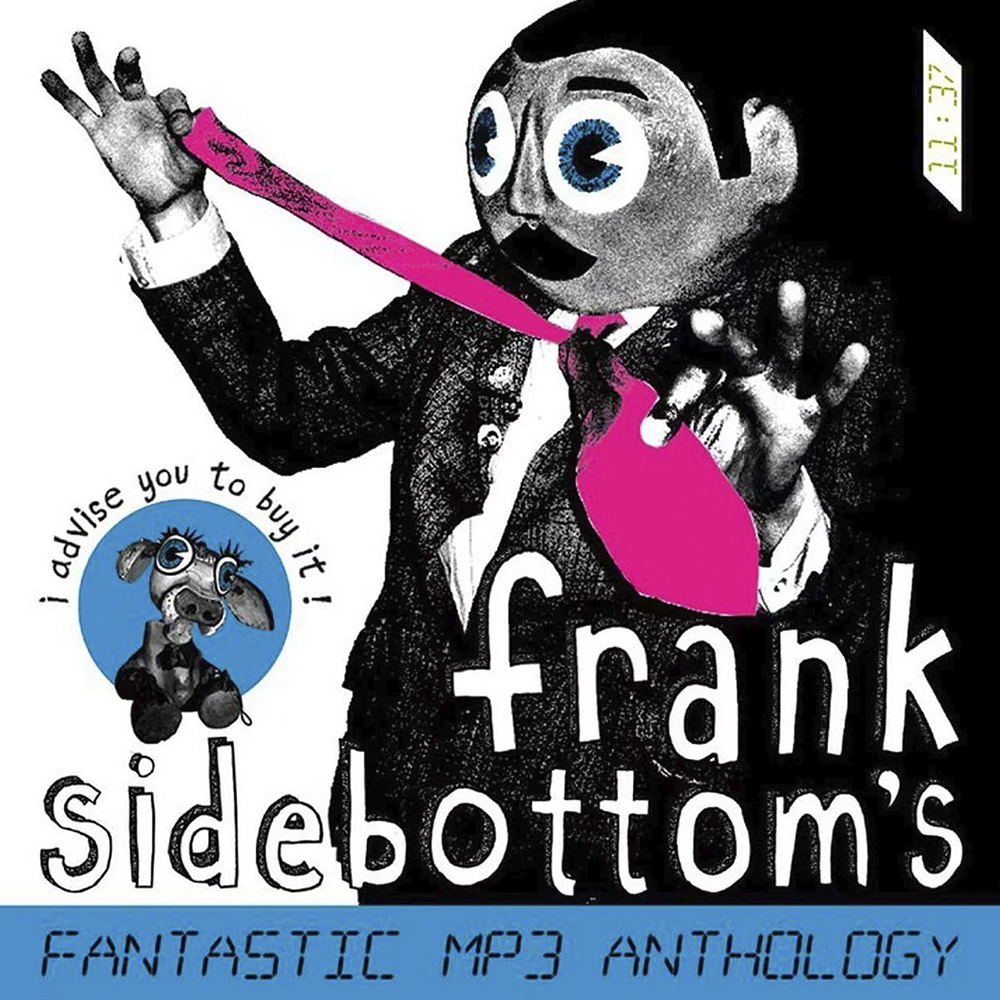
Frank Sidebottom was a comic surrealist in a giant papier mache head of the ‘daft lad at the local pub’ ilk as opposed to the ‘Goldsmiths Uni graduate with a funny moustache’ variety. From this quirky disposition, he reimagined The Smiths classic ‘Panic’ in a manner that actually got to the heart of what the proletariat of Britain actually panic about.
As a social club surrealist, Sidebottom’s version of the song charts council disputes and overgrown trees as he paints a vivid picture of a nation that doesn’t panic inasmuch as it bickers and frets. It might sound as though it is being performed by 14-year-old music students, but in its naivety it achieves an encapsulated reflection of the utterly charming rubishness of Blighty and its paltry problems, crowning Sidebottom a true auteur of daftness.
‘Barbie Girl’ – Aqua
‘Barbie Girl’ is as fun as it is horrifying. Beneath its Europop production, even in its parodying guise, it reveals the empty core of consumerist pleasure. “Life in plastic, it’s fantastic,” is secretly one of the most chilling lines ever written, and it’s pronounced in the sickly saccharine voice that really drives the sadism of capitalism home.
It shows the horror and seduction of life presented as play thing. There was also a hint the group were well aware of the depth of their ostensibly daft track, when years later, many of the members embarked on side projects that were very socially aware in their nature. On this occasion, they managed to covertly smuggle a critique of modern culture into the mainstream realm through excess and absurdity. It wasn’t “fantastic”, but it did have a point.
‘99 Luftballons’ – Nena
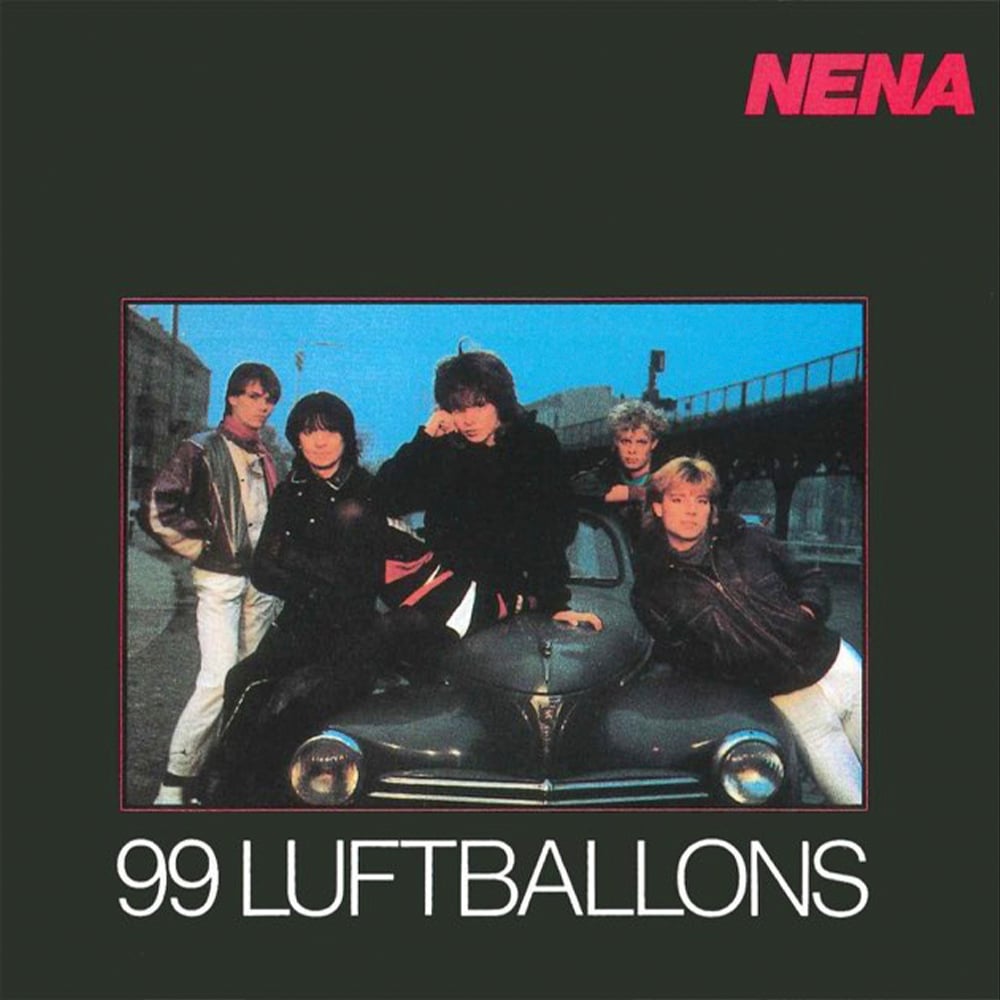
If you don’t speak German then this track is simply catchy pop of the most grating variety.
However, if you can decipher the lyrics, then you’ll be met with a tragicomic tale of how the release of 99 red balloons pops up on radar, is mistaken for an invasion, and leads to a catastrophic nuclear war. The inferences of paranoia and the military-industrial complex are painfully profound.
So, you might dismiss it as pure cheesiness, but to craft a song with enough of a hook to land a German-language track to the top of the charts and pair that with a story that the ingenious Kurt Vonnegut would’ve happily claimed is quite a feat. Furthermore, the unseriousness of the new wave production actually perfectly makes the point that we’re prone in the modern age to amuse ourselves to death.
