


10 songs that were banned for bizarre reasons

Music is a form of expression. When people write lyrics to a song, they do so with the intention of expressing how they feel about a certain topic or subject. Of course, it’s no secret that many people don’t agree on specific issues or disagree with how they’re conveyed. These points of contention have led to songs by bands such as Rage Against The Machine, Eminem, and The Clash being banned by major radio stations.
Although banning a song because it goes against how radio stations and broadcasters want to brand themselves might not be surprising, other tracks have been prohibited for bizarre reasons. This means that profanity and the way artists express themselves don’t come into it, and instead, it’s for a different reason that seems to defy realistic expectations.
You’d be surprised just how many bands have had their songs taken off the air for no good reason. Some of them are to be expected; for instance, Sex Pistols and NWA make the cut, but other acts such as The Beatles, Queen, and George Michael have equally fallen victim to bans.
Some of the reasons you can kind of (kind of) justify, but others are downright stupid. Here are ten songs that were banned for the most bizarre reasons you could think of.
Songs that were banned for strange reasons:
The Beatles – ‘Come Together’
The Beatles, despite being the loveable Fab Four, were never too far away from controversy. Throughout their time as a band, they landed themselves in hot water because of the length of their hair, the tightness of their suits and some of their lyrics. Despite having some songs that reference drugs and sex, though, it was none of these that ended up being banned.
‘Come Together’ found itself the recipient of unnecessary censorship. While the lyrics are incredibly busy and contain many different metaphors and references, the one that crossed the line with the BBC was the reference to “Coca-Cola”. This went against guidelines and constituted an advertisement, so the broadcaster had to ban the song.
Sex Pistols – ‘Anarchy In The UK’
While it may not surprise people to see Sex Pistols in this list, the reason ‘Anarchy In The UK’ was banned is different to what you might expect. Sure, Sex Pistols looked outrageous, and this song referenced the devil and social discourse; however, it wasn’t this that caused the song to be banned.
When the band appeared on TV, people were already turning their noses up at them, but the song ‘Anarchy In The UK’ hadn’t been prohibited (yet). As such, in theory, the song was fine. However, it was the way they behaved on TV that led to radio stations banning the track. When they swore during their interview, people nationwide were shocked, which led to radio stations banning the song. It’s interesting that these actions had nothing to do with the song itself.
George Michael – ‘I Want Your Sex’
The irony involved in banning George Michael’s ‘I Want Your Sex’ is almost laughable. Radio stations heard the track and believed that the way Michael was talking about sex was inappropriate. They interpreted the song as encouraging casual sex, which offended them to the point that they banned the song.
What’s funny about this rationale is that both Michael and the radio stations had a similar mindset. While he may not have been as black and white about it, the meaning behind the song was all about trying to remove lust from love. Subsequently, radio stations managed to ban a song that they actually agreed with.
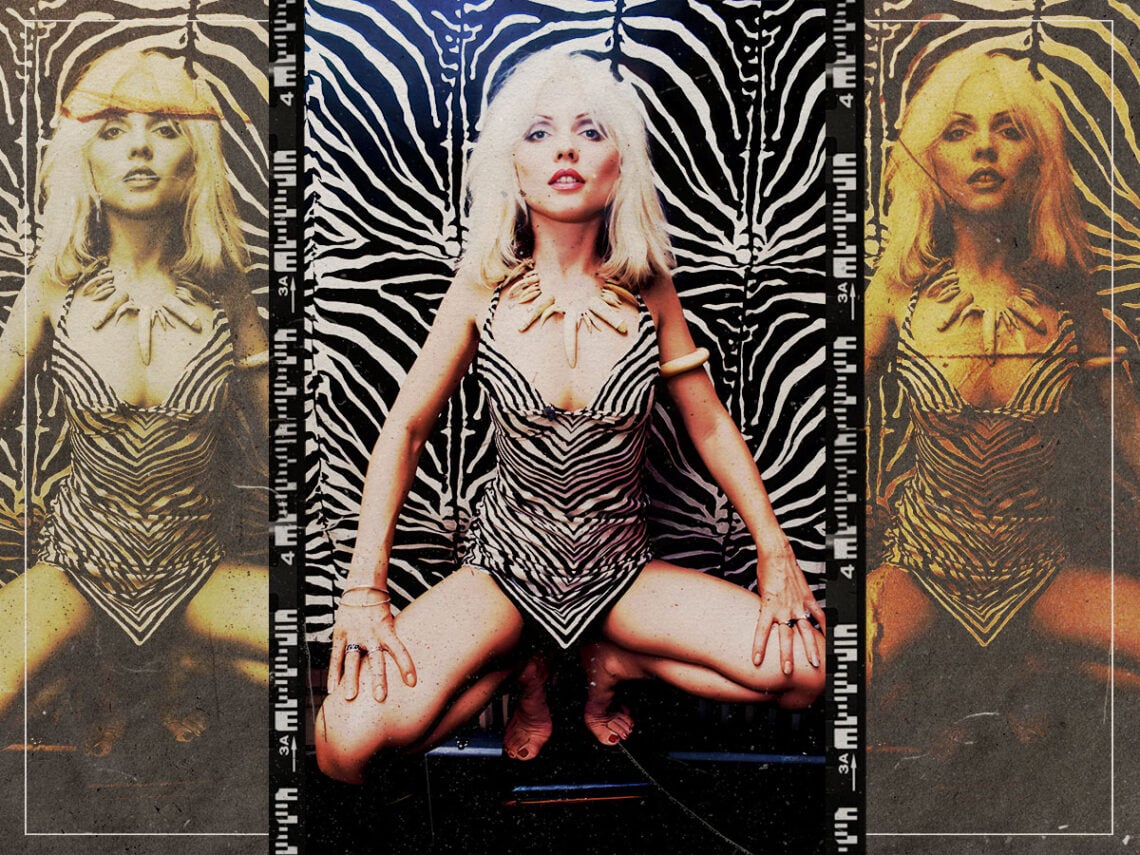
Blondie – ‘Atomic’
When the Gulf War started, the BBC became incredibly sensitive about the kind of songs that they were allowed to play. Regardless of how mundane or loose, any reference to war would never be played on the radio. This led to the banning of 67 tracks.
One of the songs banned was Blondie’s ‘Atomic’. Despite the fact that it hardly mentions any form of war, the BBC saw it as too much, and they were quick to pull the plug. Also caught in the crossfire were tracks like ‘Boom-Bang-a-Bang’ by Lulu and ‘Bang Bang’ by Cher.
Heaven 17 – ‘(We Don’t Need This) Fascist Groove Thang’
When Heaven 17 released their debut album, Penthouse and Pavement, the synth-pop pioneers were excited for fans to get a taste of the kind of music they were making. Unfortunately, getting radio play proved pretty tricky. The BBC wouldn’t play one of their lead singles for the record, but it had nothing to do with what was happening in Britain.
The song ‘(We Don’t Need This) Fascist Groove Thang’ was seen as a song that could offend the then president of the United States, Ronald Regan. Terrified of being on the receiving end of a defamation lawsuit by the US, the BBC thought it would be a better idea to simply ban the song.
Radiohead – ‘Creep’
Chances are, Thom Yorke was delighted when the BBC decided to stop playing the song ‘Creep’. He had become frustrated with fans’ attitudes towards the track. However, the music was so popular among fans that they were devastated when the BBC said they would no longer play it.
So, what was the issue? Well, the word “Fuck” certainly didn’t help things, but it wasn’t a deal breaker. There were censored versions of the song available, but that wasn’t enough to lift the ban. The issue with the song wasn’t the swear word; rather, it was the fact the song was too depressing. Executives didn’t want it on the radio at risk of upsetting people, so they decided it would be better to stop playing it altogether.
Neil Young – ‘This Note’s for You’
Neil Young referenced Pepsi in his track ‘This Note’s for You’; however, unlike The Beatles, this wasn’t seen as an issue. In the track, he mocked many modern rockstars and the inauthentic approach they took to making music. While the song turned some heads, the main issue was the music video.
There was a lot going on in the short video that accompanied the song. There was a dog in sunglasses that licked its lips, girls in bikinis and a Michael Jackson lookalike catching fire. The latter caused the most problems, to the extent that Jackson’s lawyers got in touch and threatened to sue if the video and song weren’t banned. They were.
ABBA – ‘Waterloo’
ABBA were another band who suffered banned music at the start of the Gulf War. Once again, the BBC refused to take any chances, and as a result, any songs that remotely referenced war, violence, or even said the word “bang” were taken down.
‘Waterloo’ might be the silliest one of them all. Granted, it was a very famous battle, but one that happened in 1815. Anybody listening to the upbeat ABBA track and inferring any political or violent meaning had bigger issues than music. Still, ‘Waterloo’ found itself on the list of 67 songs banned by the BBC.
NWA – ‘Fuck Tha Police’
It won’t surprise anybody to learn that NWA’s biblical protest anthem, ‘Fuck Tha Police’, was banned by record stations around the world. The lyrics were explicit, far too explicit for any daytime station to suggest playing seriously. However, there was one exception, so while the reason for the song being banned may not be bizarre, the circumstances that led to the ban certainly were.
The Australian radio station Triple J decided they liked the song and were insistent on playing it. They did so for six months until the Australian Broadcasting Corporation got involved and forced them to stop. Triple J had no choice but to comply; however, in a sign of protest, they looped the track ‘Express Yourself’ by NWA for 24 hours.
Queen – ‘I Want to Break Free’
Queen were some of the greatest musical minds to ever take to the airwaves, and their creativity didn’t stop at the music they made. The band were also incredibly creative when making music videos; however, in the eyes of MTV, they took things too far with the video for their hit ‘I Want to Break Free’.
The video shows the band all dressed in drag and miming flamboyantly to the song. While that may sound relatively harmless, it was met with uproar. People were furious at how the band portrayed themselves, so MTV was forced to ban the video and the song. Brian May recalled the TV channel saying, “We can’t possibly play this. You know, it looks homosexual.”
