


10 musicians who never sold their soul

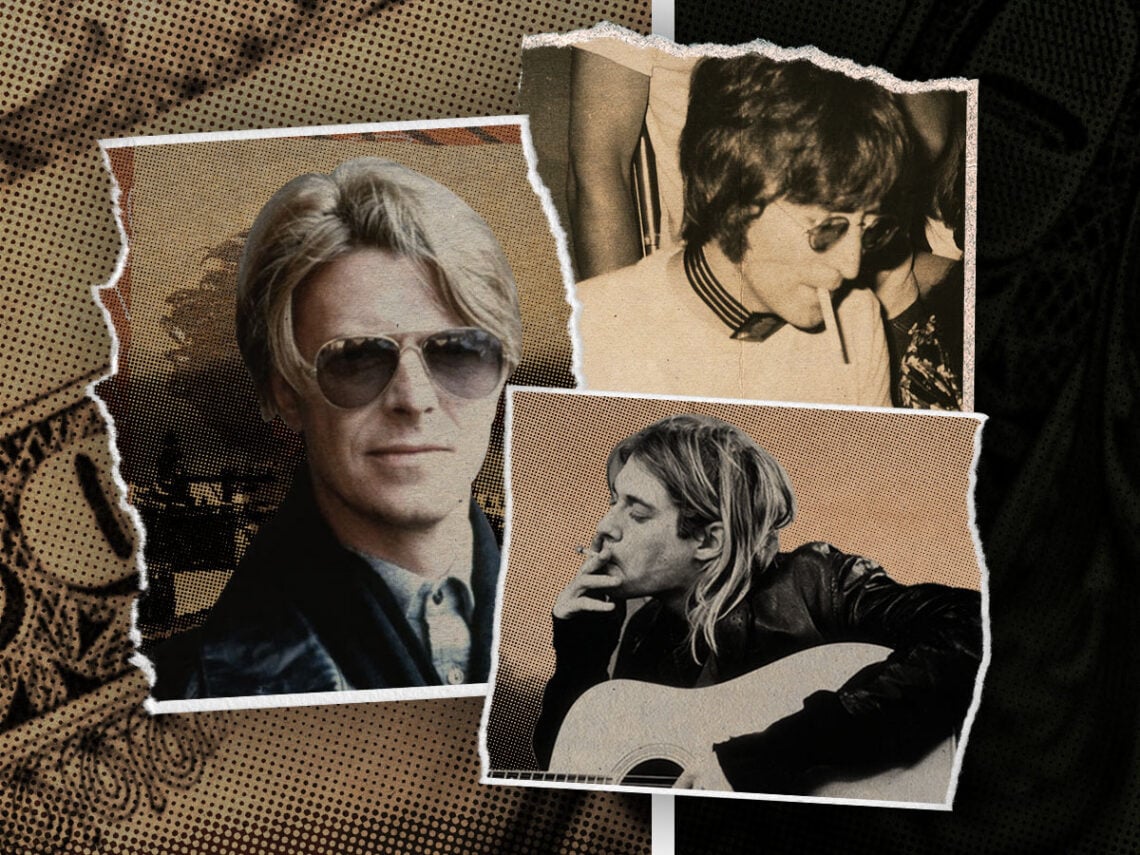
Every artist has to deal with selling out at some point. Even though music comes before anything else, it gets a little complicated when your band starts becoming more of a business. It might be easy to follow the trends, but from David Bowie to Kurt Cobain, here are some artists who followed the muse in their hearts.
From one album to the next, these artists refused to be tied down to any of the trends going on in the business side of music, looking to expand their horizons outside of what the critics say. That attitude didn’t just translate onto the record.
Part of that resistance comes from an understanding that trends are often fleeting. What feels essential in one moment can quickly become dated, and artists who chase that approval risk losing the very qualities that made them stand out in the first place. By prioritising instinct over expectation, these musicians were able to create work that felt more personal, even if it occasionally alienated parts of their audience.
There is also a certain level of risk involved in taking that path. Refusing to conform can mean sacrificing commercial success or critical favour, especially when the industry begins to shift in a different direction. Yet for many of these artists, that trade-off was worth it, allowing them to maintain a sense of authenticity that ultimately defined their legacy far more than any short-term gain ever could.
During some of their interviews, these artists were known to be extremely blunt, either saying exactly what was on their mind or not tip-toeing over the more delicate side of the industry. While they may have been a bit protective about their music, these artists are a perfect example of sticking to your guns in the music industry.
It’s never easy to play the game in rock and roll, but it’s much better to see artists call out the game for what it is as well.
10 musicians who refused to sell their soul:
David Bowie

Selling out has always been synonymous with focusing on the money rather than the music. If you’re talking about David Bowie, though, this is a man that lived and breathed music.
From the start of his career, The Starman saw every one of his albums as a new creative endeavour, always looking to expand his musical horizons. After breaking down the barriers of glam rock on albums like Ziggy Stardust and Aladdin Sane, Bowie dismantled his music and made it again from scratch, going into the world of krautrock, danceable pop, and new wave music in the 1980s.
Even in his old age, Bowie was never looking to rest on his laurels, turning in albums influenced by electronic music, drum and bass, and more before wrapping his career on Blackstar, which presented a jazzier take on his classic sound. Musicians who sell their souls are usually just looking to keep up with the times. As for Bowie, the music world needed to catch up with him half the time.
Kurt Cobain

Nirvana’s rise to the top was an extremely mixed bag for Kurt Cobain. Although he became one of the biggest rock stars and fulfilled every fantasy a kid could dream of, his tag of the new ‘Voice of a Generation’ brought a mantle of pressure that he could have done without. When Nirvana went into the studio again, Cobain never wanted to make Nevermind part two.
After earning the trust of his label, Cobain made the art rock album he always wanted to make with In Utero, turning the band’s pop-focused material inside out. Although songs like ‘Heart Shaped Box’ still had that trademark grunge sheen, producer Steve Albini made a point to record something a bit more chaotic, leading to songs that sound like Cobain at his wit’s end on ‘Scentless Apprentice’ and ‘Very Ape’.
Even when the band handed the record to the label, their higher-ups thought it was a joke and begged the band to remix some of the songs to sound good for radio. Although producer Scott Litt was brought in to sweeten up a few songs, what you’re hearing on the final version is Nirvana as Cobain intended it. Loud, abrasive, and ready for war.
John Lennon
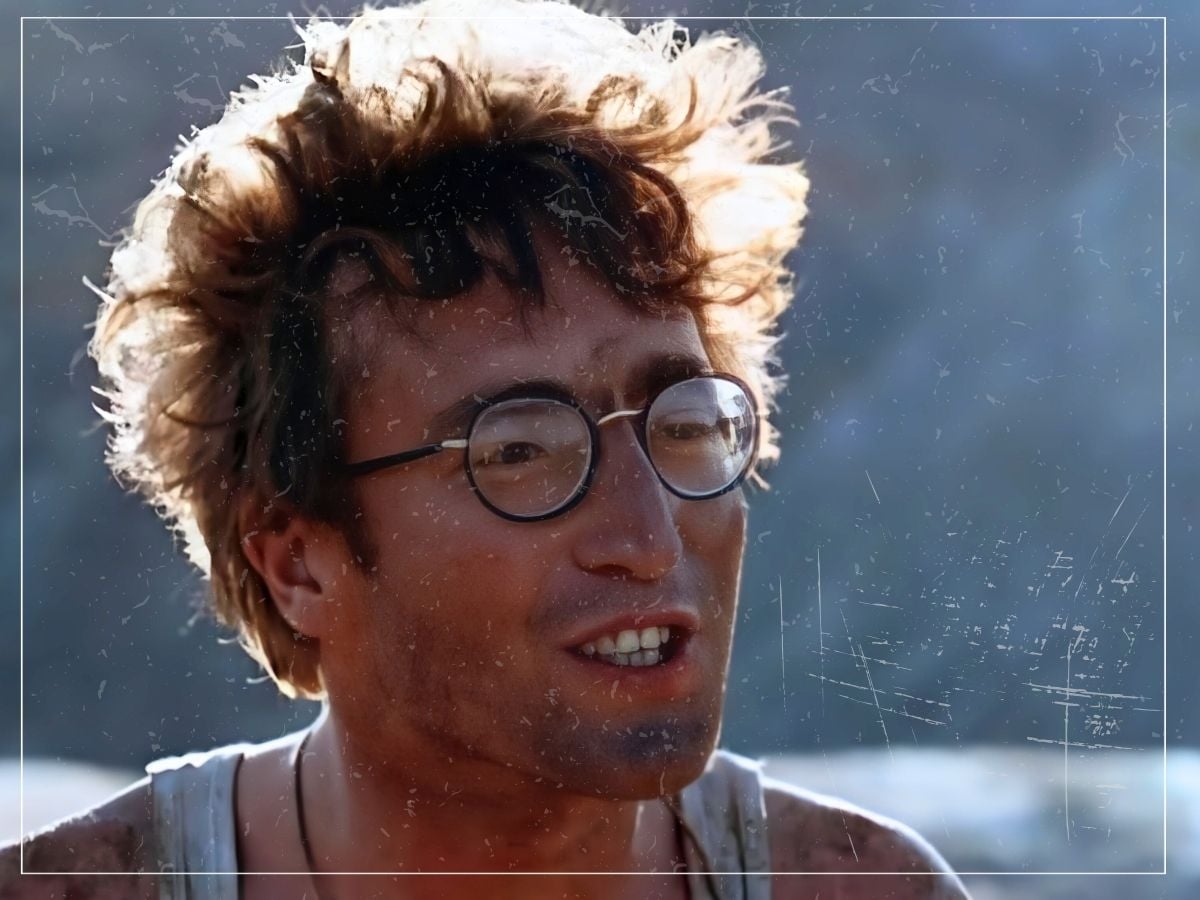
After going through the slog of Beatlemania, John Lennon was absolutely fried. Going through the whirlwind of being in the biggest band in the world is going to wear on anybody, and Lennon had to be treated with primal scream therapy after finally coming up for air. When he did look around afterwards, he had a lot more to write about than just love songs.
After exorcising his demons on Plastic Ono Band, Lennon spent half of his solo career calling out people in power, taking shots at former business partners like Paul McCartney and the corrupt politicians he saw every day on the news. While an album like Some Time in New York City might be his most divisive work, Lennon was unafraid to take on topics like race relations, the unrest going on in Ireland, and the unjust imprisonment of people like John Sinclair and Angela Davis.
In fact, Lennon may have done his job a little too well, with the FBI opening up a file on him and going so far as to bug his house because of how much they thought he could sway an election. Anyone can not go along with the program, but there are only a few artists that were so committed to their cause that the government got involved.
Rush

Rush was never meant to be the most mainstream band in the world. In the words of bassist Geddy Lee, he was adamant about the band having their own stream that was completely different from what the charts were doing. While it took the band a bit for Rush to find their army, these Canadian icons would rather go down swinging than conform.
After spending their salad days playing by-the-numbers rock and roll, Neil Peart was adamant about going into progressive territory on albums like Caress of Steel. Although their label was not a fan of their progressive leanings and even threatened to drop them if the new direction continued, the band stood their ground. After their manager lied to bosses about them making something pop-friendly, the band offered up 2112, featuring a 20-minute epic that told a story about not being kept down by the man.
Although this one song served as a screw-you to the label, the rest of the world resonated with the message and started showing up to the band’s shows in droves. By the time the band peaked in popularity in 1981, they were the most sophisticated rock band to grace the charts. Rush are always looking to entertain their fans, but nothing they play is meant to be on the charts.
Thom Yorke

In a separate timeline, there’s a good chance that Radiohead are still a one-hit-wonder. Although the band have been the greatest darlings in the world of rock, their debut single ‘Creep’ reeked of grunge rock, with Thom Yorke doing his best impression of Kurt Cobain in the music video. After just one song, Yorke quickly found out that the sounds of radio rock weren’t really for him.
Throughout the 1990s, Yorke made a conscious effort to break away from the band’s mainstream beginnings. They dove into the world of Britpop on The Bends, reaching the masses anyway by the time Ok Computer rolled around. Even when he was at the mainstream, Yorke didn’t like it at all, electing to go in a more electronic direction on Kid A. While this kind of line-in-the-sand shift should have killed most bands, Yorke knew exactly what he was doing, creating a distant world for the listener to play in that wasn’t just fuzzy guitars and stately ballads.
When Radiohead were finally off their label EMI, Yorke was still experimenting with In Rainbows, offering the album to their fans on their website on a pay-what-you-want basis. While some artists are around to make a quick buck, Thom still thinks that his music is worth more than a cheap single.
Rage Against The Machine
Every genre has its own version of selling out. Even before a band like Metallica became successful, they were already becoming known as soft by metal standards because they dared to have a ballad. Everyone has a different version of the word ‘sell-out’, but that phrase doesn’t belong in the same area code as Rage Against the Machine.
From the moment they began, these architects of rap rock were determined to use their platform to speak on any harsh topic they could get their hands on. Even though they reached the masses thanks to huge riffs, it wasn’t going to be easy getting something like ‘Killing in the Name’ into a car commercial, with lyrics that dealt with the brutal treatment of minorities by racist police. As the band started to get bigger, their knack for political activism only got stronger.
Throughout Evil Empire and The Battle of Los Angeles, the band put their money where their mouths were, performing in front of the New York Stock Exchange for the video for ‘Sleep Now In the Fire’ and playing SNL with upside-down American flags over their amplifiers. Most people might look at their spot in the charts and see the money rolling in, but Rage just sees a bigger stage for their message.
Eddie Vedder
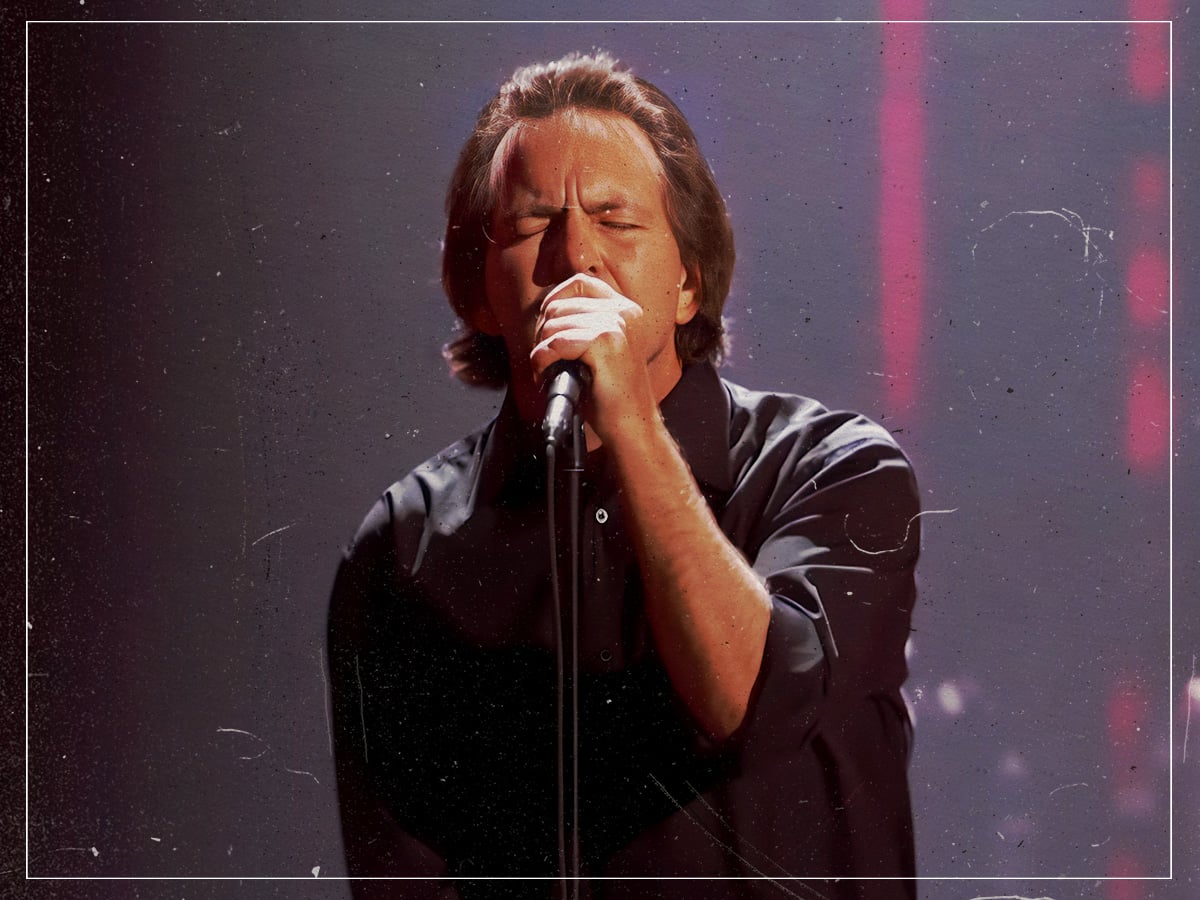
In the early ‘90s, Pearl Jam had secured the golden ticket every rock band dreams of. After the grunge movement got underway, the Seattle icons became one of the biggest bands in the world and brought the sound of alienation into stadiums around the world. The band had everything they could have wanted, and Eddie Vedder was pissed.
Vedder always wanted the band to be more in line with R.E.M, where they would have an organic rise to the top. Now that they were already reached that level, Eddie was going to do everything in his power to shake off the band’s hype, either making music that was a lot heavier on Vs. or making a deliberate effort to sound chaotic on Vitalogy and No Code.
Some of that insecurity also came from within too, with Vedder worrying about getting too personal with his lyrics and putting out music that hit too close to the bone. Most artists like to show you a certain side of themselves when they’re singing, but Vedder was looking to build more barriers the more Pearl Jam’s star rose.
Noel Gallagher

No one’s going to tell you that Noel Gallagher was the most wholesome character in Britpop. From the first time he appeared in front of a camera, Gallagher was already talking about how Oasis was bound to take over the world. When they actually did take over the world, that punk attitude never really changed.
While the band roped in one award after another, Noel usually took time to take the piss in interviews, sometimes at the expense of his own award. Outside of his brother Liam yucking it up in front of the camera, Noel was known to get into scraps with journalists and anyone else he saw as inauthentic. He developed a reputation for saying unsavoury things about Blur and going after genres like jazz. He once said of jazz: “Oh, is that what it’s called? Because he used to be shite when I was growing up.”
Then again, Gallagher’s legendary tongue ended up exactly where it was meant to, slagging his brother through the mud and comparing him to “a man with a fork in a world of soup”.
Pete Townshend

The music industry isn’t always about making the music you want. For the charts, the rock industry is practically a game to see who could get the number one song in the charts. And no one knew the game better than Pete Townshend in the ‘60s. Though The Who began as a simple R&B combo, Townshend envisioned something that meant more than just power chord versions of rock and roll.
Although it might not have been the most commercial album in the world, Tommy gave Townshend the perfect vehicle to vent his own feelings about the world, being essentially deaf, dumb and blind to the world around him after becoming a rock star. While the version of Tommy eventually got adapted into a Broadway show and became one of the biggest rock operas of all time, Townshend wasn’t going to just roll over.
Who’s Next might not have been the album Townshend wanted to make, but it did make for a dissection of the music world, taking a look at what we are wasting away in our bodies and using the power of music to find something new. The bottom line might be to look for notes that sound nice together, but Townshend has his eye on the spaces in between the notes.
Roger Waters

Being a musician can get you into some hairy situations. Before Pink Floyd were the band we know today, they were already in shambles when Syd Barrett had to be let go for mental health reasons. The music industry can be cutthroat, and Roger Waters never forgave the industry for what he saw.
Throughout the band’s glory years, Waters’ vision for Floyd focused on calling out people in power, whether that meant capitalism on Animals or the way we treat our day-to-day lives on Dark Side of the Moon. As the band began to spread out, Wish You Were Here was the ultimate middle finger to the industry, calling out those who were just watching the dollar signs instead of the well-being of the musicians.
So when you listen to something like The Wall, this isn’t just a rock star trapped inside their own head. It’s Waters warning us about what happens if you let yourself go too far.
