


The 10 most controversial classic rock songs of all time

It’s truly inspiring that vibrations can travel through the air and leave us with an intense feeling of emotional, intellectual and physical pleasure. That some notes played by another human can have an effect on our body that can transcend the mind and stir our very souls. Rock and roll seemed to take this into a new space.
Rock music didn’t just rely on the enjoyment of listeners for its share of emotional response to its music but it also fed on the sheer outrage of the public when it first arrived. Controversy has become as much a part of the music scene as the music itself.
From day one, controversy has always gone hand in hand with rock ‘n’ roll. For as long as the genre has existed, there have been people who have wanted to stomp it into the ground, claiming that it was the cause of everything evil in the world or that it was secretly satanic. Though some of the claims might be completely outlandish now, songs by acts ranging from Judas Priest to Nirvana were considered controversial for all the wrong reasons.
In every track here, there are more than a few times when it gets too uncomfortable to listen to for an average listener. Either because of what the subject matter is or what the instrumentation sounds like, the songs made by these artists are enough to send a chill up the spine of anyone, leading to some thinking that the artist had malicious intentions in mind from the start.
However, it’s also worth noting that not every song that makes it on this list is due to lyrical content. Sometimes a song gains a reputation from just how gross it was to create, and the songs at play have more to deal with the questionable things that were happening behind the scenes as the band played their instruments.
Granted, the controversy doesn’t always mean that the song is utterly terrible. In fact, some of the tracks here are some of the best in their field and are worthy of dissection by rock fans for years to come. The main draw always comes back to those questionable moments, and they have fascinated fans for decades. It might be hard to sell someone on songs this seedy, but there’s no such thing as bad publicity in rock and roll.
The 10 most controversial rock songs of all time
‘Night Prowler’ – AC/DC

The Brothers Young were no strangers to having some controversy throughout their time in AC/DC. As much as most of their songs were about the hard-partying lifestyle, the cover of their classic Highway to Hell ruffled some feathers, featuring Angus Young with devil horns sprouting from his head. While they might have been talking about flirting with girls, ‘Night Prowler’ took a dark turn when someone had a different idea.
Nearly a decade after the song was released, a serial killer known as the ‘Night Stalker’ became known for terrorising the US, and was allegedly inspired by this song. The original version discusses sneaking into a girlfriend’s bedroom after hours and getting into mischievous activities rather than committing murder.
That wasn’t enough to get AC/DC off the hook, especially since the calling card for the killer was him wearing a hat emblazoned with the band’s logo. The murderer was eventually caught, and AC/DC shrugged off the controversy with ease, having a resurgence in the next few years with tracks like ‘Thunderstruck’.
‘He Hit Me (It Felt Like a Kiss)’ – The Crystals
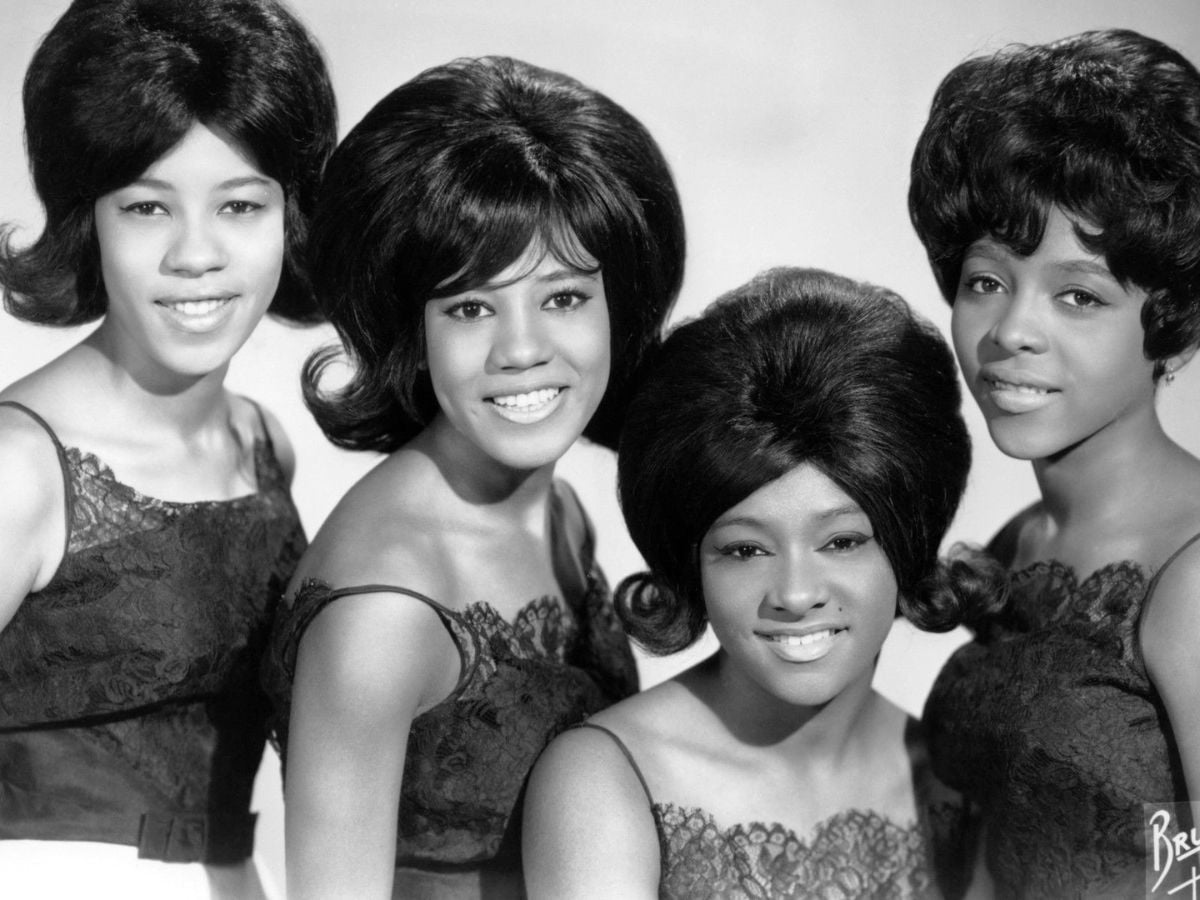
The stone age of rock and roll in the 1950s and ’60s feels like spending most of the day in Candyland. During this time, nothing mattered except for sock hops and wild rock and roll from Chuck Berry and Buddy Holly. The girl groups could certainly hold their own, but there were a lot of questions surrounding The Crystals’ biggest hit.
No matter which way these lyrics are taken, this song is about a toxic domestic abuse relationship, with the narrator refusing to say no to however many red flags her man is giving her. Throughout the song, the rest of the girls croon in the background and fans are treated to some of the darkest lyrics to come from the soulful sounds of the ‘50s, which isn’t helped by Phil Spector’s production, who was later convicted of murdering Lana Clarkson.
The facet of the song which makes the assault claims even more sinister is how little the singer cares about getting pushed around, especially towards the end of the second verse where she talks about knowing that her man loves her because of how he hit her.
‘Better By You Better Than Me’ – Judas Priest

The metal scene as it is today would not exist if not for Judas Priest. Whereas most early metal acts might not have liked the term ‘heavy metal’ to describe them, Priest wore the honour like a badge, being proud to fly the flag for all things metal. The genre has other connotations too, though, and Priest found themselves with the real possibility of indirectly killing two of their fans.
While ‘Better By You Better Than Me’ was a great cover of a Spooky Tooth song, Priest was tied up in a lawsuit in the mid-‘80s involving two of their fans who killed each other. After getting stoned in the suburbs, the teens tried to take their own lives with a shotgun in the middle of a field. Since one of them survived, the families and the victim alleged that Priest’s music was what drove them to commit these actions, thinking that it had mesmerised them into thinking that the meaning of life was death.
Subliminal messages might be alleged all the time, but this one was deadly serious, including the prosecution claiming that the song contained a message saying ‘do it’ if they play the track backwards. Though Priest was eventually not held responsible for the death of their fans, Rob Halford mentioned the memory of the court proceedings haunting him for the rest of his days.
‘Money for Nothing’ – Dire Straits
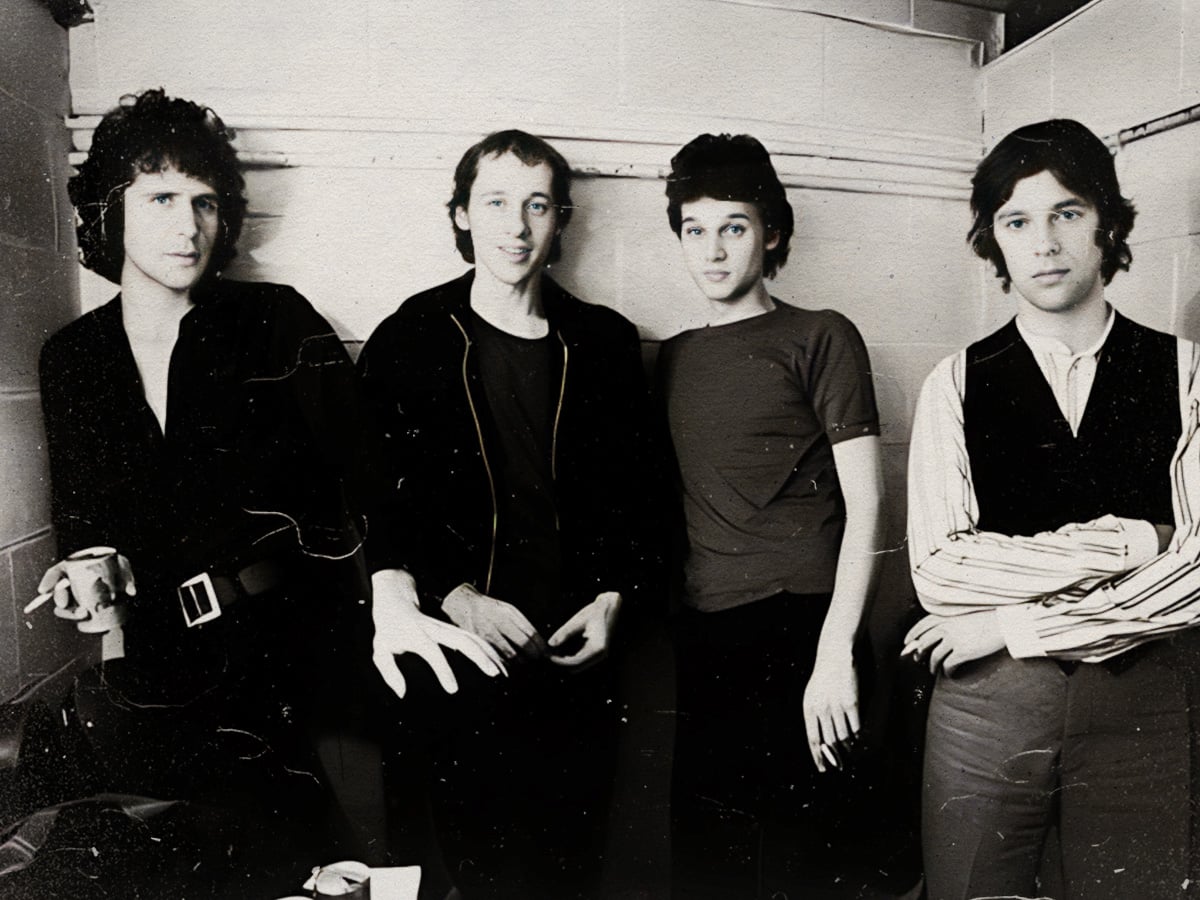
On the surface, Dire Straits don’t seem to be a band linked with controversy. From their everyman mentality to Mark Knopfler’s tasty guitar licks, their brand of music is as straightforward as rock and roll can possibly get. While ‘Money for Nothing’ certainly belongs in that company, the origins of the song led to some sections being edited out on the single version.
The one that most people hear on the radio tends to be a celebration of the MTV lifestyle. When the song was in its development stages, Knopfler actually got the idea from a department store worker ranting about the people he saw on MTV, using homophobic language to describe acts like Duran Duran.
While the idea of using girls for free sex in the verses might already be a bit suspect, Knopfler’s original took the worker’s use of the word, “F*ggot*” verbatim. While the goofy part might be about delivering all of those colour televisions, given what he said during this brief exchange, it’s probably for the best that Knopfler left those details to the listener’s imagination.
‘Lucy in the Sky With Diamonds’ – The Beatles

Looking back, The Beatles seem one of the most happy-go-lucky groups of the ‘60s. Outside of their drug intake in the back half of the decade, every one of their songs seemed beloved the world over, with girls wanting to be with him and guys wanting to be them. When they started to take acid, though, some fans started questioning their intentions during the Sgt. Pepper period.
After coming off the road for a few months, the band’s first proper album reintroduced them to the world with different sonic textures, including John Lennon’s ‘Lucy in the Sky With Diamonds’. While the song was based on an innocent drawing that Lennon’s son Julian wrote about one of his classmates, the media saw something different, noticing that each noun in the song title spelt out ‘LSD’.
Lennon denied it for years, but the backing track alludes to something trippy occurring, such as the drone of George Harrison’s guitar and the Alice in Wonderland-style fairy tale of the lyrics. The Beatles weren’t as cagey about their drug intake later, with McCartney announcing on camera that he had taken the substance a few times. Though Julian Lennon may have the credit for coining the phrase, it’s hard to take Lennon at his word when the song sounds this trippy from back to front.
‘Killing In the Name’ – Rage Against the Machine

The entire premise of Rage Against the Machine was a mechanism to vent frustration. Vocalist Zack de la Rocha always abided by the phrase “anger is a gift”, and every one of Rage’s songs made points that stood up for that belief. So when they got their first chance at radio, there was no way they were going to squander their one chance to make an impression.
When listening to ‘Killing in the Name’, it’s easy to get caught up in the groove of the song, as de la Rocha rises in dynamic throughout the track. The lyrics are a bit of a different story, talking about police officers in America that are secretly working for the Ku Klax Klan and making it a habit to exploit and harm black people. This topic was still fresh in Americans’ minds, and arrived only a few months shy of the infamous LA riots in reaction to the Rodney King beating.
The next few years saw Rage engaging even further, with stations editing out the breakdown of the song which includes a build-up of the line ‘Fuck you I won’t do what you tell me”. Granted, was the public expecting anything less from a band calling themselves Rage Against the Machine? Since their album shows the image of a man being burned alive, most people knew what they were getting themselves into.
‘Rape Me’ – Nirvana

Throughout his career, Nirvana always remained a staunch advocate for women’s rights. Although not every song that Kurt Cobain was altogether comprehensible, every now and again a song like ‘Sappy’ and ‘Polly’ would come along with a more pointed slant in the lyrics. Though most of them were cloaked in mystery, censors weren’t even going to try getting around a song called ‘Rape Me’.
Despite its title, this song is an advocation against sexual assault. After his first attempts to talk about female abuse fell on deaf ears, Cobain used this song to try and make himself the scapegoat, asking anyone thinking of doing that to another person to do it to him instead. While the song may have had a catchy chorus, the song had to be changed in certain retail stores to ‘Waif Me’, which completely undermined the message that Cobain was supposed to bring across.
The grunge rock wave may have been known as the slacker generation, but Cobain’s advocation for messages like this was years ahead of its time.
‘God Save The Queen’ – Sex Pistols

The ethos of punk rock music was to celebrate rebellion. Although acts like The Ramones may have had more songs about rebelling against parental figures, acts like The Clash were looking to shake the Earth with their music, calling for social change across the world. There might have been political leanings at first, but The Sex Pistols were all about chaos from day one.
For the handful of studio songs that listeners got to hear, ‘God Save the Queen’ was the first shot at the British empire, as Johnny Rotten sneers the title of the national anthem through obvious sarcasm, joking that all the queen had done was made her kingdom morons. Throughout the rest of the track, Rotten talks about how the future is a shambles and that there is no future set out for anyone if they choose to follow what their monarchs are doing.
To add even more fuel to the fire, The Pistols co-opted a boat during the Queen’s Jubilee and rode up right next to The Queen before being ushered away by police. This kind of behaviour wasn’t going to be tolerated by the authorities, but it sent a message about what punk stood for. Even though the chaos might be filtered through music, nothing was sacred when it came to calling out injustices.
‘Daddy’ – Korn
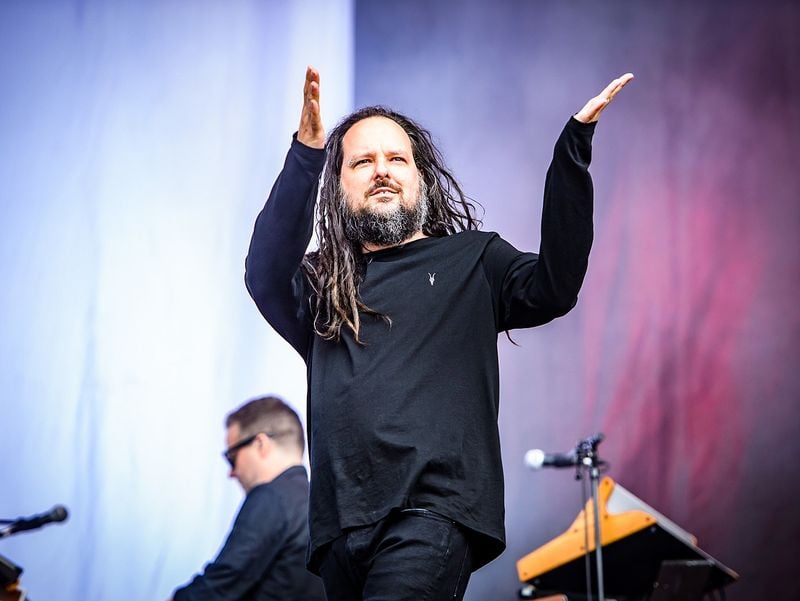
When nu-metal was first starting out, most fans didn’t know what to make of it. After grunge had come and gone, the image of dreaded metalheads playing huge de-tuned guitar riffs sounded like noise to an average rock fan. Although Korn turned their aesthetic into something far more musical, ‘Daddy’ is practically an emotional therapy session put to music.
Over a foreboding instrumental backing track, Jonathan Davis opens up throughout this track, talking about the real sexual abuse that he suffered from when he was younger. At the time, his parents didn’t believe that he was really abused, which meant all of that bottled-up pain got stored inside, and it all got to let loose on this recording. Spanning 17 minutes, Davis can be heard crying and screaming towards the end of the track, as if he’s finally being given the chance to get all of that negative energy out of his body.
Compared to most other songs on this list, this is one of the few Korn tunes that Davis refused to play live for the longest time, thinking that it would be too painful to put himself through that pain night after night. Rock and roll had always been critical of censorship in their music, but this one tune earns every bit of the Parental Advisory sticker that adorns the album cover.
‘One in a Million’ – Guns N’ Roses

No group can garner the nickname ‘World’s Most Dangerous Band’ and get off clean. Although Guns N’ Roses might not have been looking to start riots at their shows or anything, their music was all about life on the dark side of Hollywood, where drug dealers and strippers mingled about in some bizarre version of The Twilight Zone. After taking a break to cut some acoustic tracks, Axl Rose had a song that split both their fans and the band right down the middle.
Musically, ‘One In a Million’ is what most would expect out of an unplugged Guns N’ Roses song, with Rose still having plenty of attitude throughout the track. The lyrics are some of the most offensive that has ever come out of a mainstream act, with Rose throwing around different racial and homophobic slurs throughout the song. While Rose always maintained that he didn’t necessarily mean what he said, Slash was especially hurt by the song since he was half-black and found it very unsettling that Rose insisted on using the final lyrics.
The song may have appeared with no revised lyrics on the EP GNR Lies, but the group never performed it live because of the vulgar material. Guns N’ Roses may have had the tag of being too edgy for some rock fans, but this was the moment when even some of their core fans started to jump ship.
