


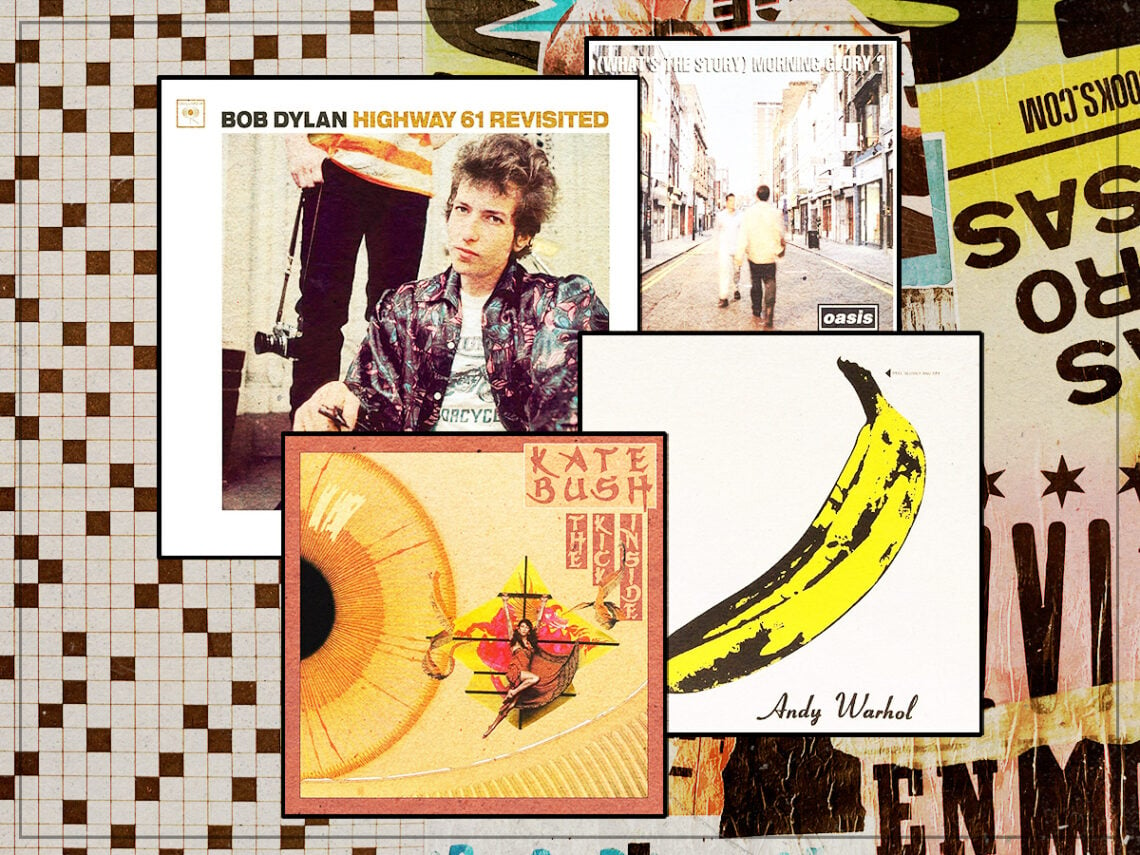
10 masterpieces that critics got completely wrong

There’s a good chance that every artist’s worst enemy is the critics. Even though someone might lay down their soul in between the grooves of a record, there are just as many critics looking to take them down, dissecting every piece of the puzzle until they uncover every fault an artist put into their masterpiece. Although albums from the likes of Led Zeppelin and Oasis may have held up as classics, they weren’t well-received in their time by any means.
History usually ends up softening first impressions. Some records or recording artists who arrived with a whimper are given a dutifully bloating as time, and their iconography grows. Those who dismissed a band can later be found claiming they always knew they would make it. Time can end up being kinder than any byline.
Upon first release, the critics treated many of these records mercilessly, with many reviews reading like the band had only months to survive. While a handful of artists were ahead of their time, none of that seemed to matter to the press, who only saw half-hearted attempts at rock and roll that didn’t measure up to the true titans of rock that had come before them.
Although the albums may not have been treated well at the time, those who did get it started to make a sea change in the world of music. Becoming one of the touchstones of the following musical movement, many of these albums tended to shift the cultural landscape without even trying, with subsequent artists turning in note-perfect versions of their songs and getting celebrated years after the fact.
Delayed recognition is usually delayed satisfaction in disguise. It tends to reflect the habits of audiences as much as it does artists and usually suggests those who buy the lbums aren’t always ready to receive the songs in the liner notes.
While it might be hard to justify a masterpiece at the time, seeing critics flip back around on an album must give artists a bit of payback. As much as the critics may like to run their mouths about what constitutes good music in the eyes of the musical elite, no one ever knows what they genuinely want until it’s given to them.
10 masterpieces that were critically panned:
‘Desperado’ – Eagles
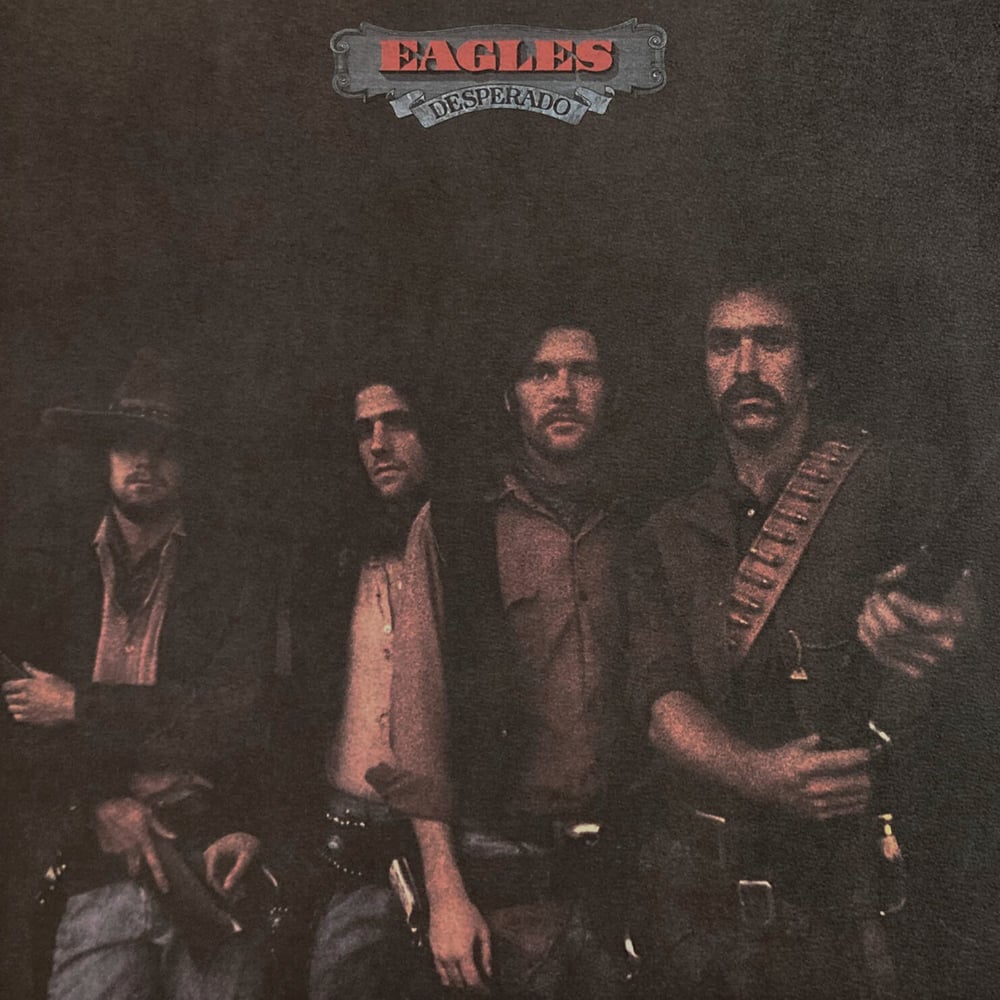
One of the biggest challenges with newer artists is avoiding the sophomore slump. Even though it might be easy to put the best songs on the first record, having only a few months to scrounge together material for a follow-up is enough to put any creative person in a cold sweat. Although the Eagles wanted to become more ambitious on their sophomore album Desperado, it didn’t go over well with the public or the critics.
Going too far into the world of country music, Don Henley and Glenn Frey had the idea of making an outlaw album based around the gunslingers of decades past. Even though the band could make outlaw-themed songs, the massive attention put on country music led many to label them as too serious, with one of their higher-ups complaining that they made “a cowboy record” before release.
Although the band would get high praise from the country community and the rockers later on, it also confined them as a country-rock band for most of their career, thinking that they couldn’t play a decent rock song without adding some twang into their sound. The Eagles were known to be multifaceted, but Desperado putting them in a box may have meant they did their job a little too well.
‘Warning’ – Green Day
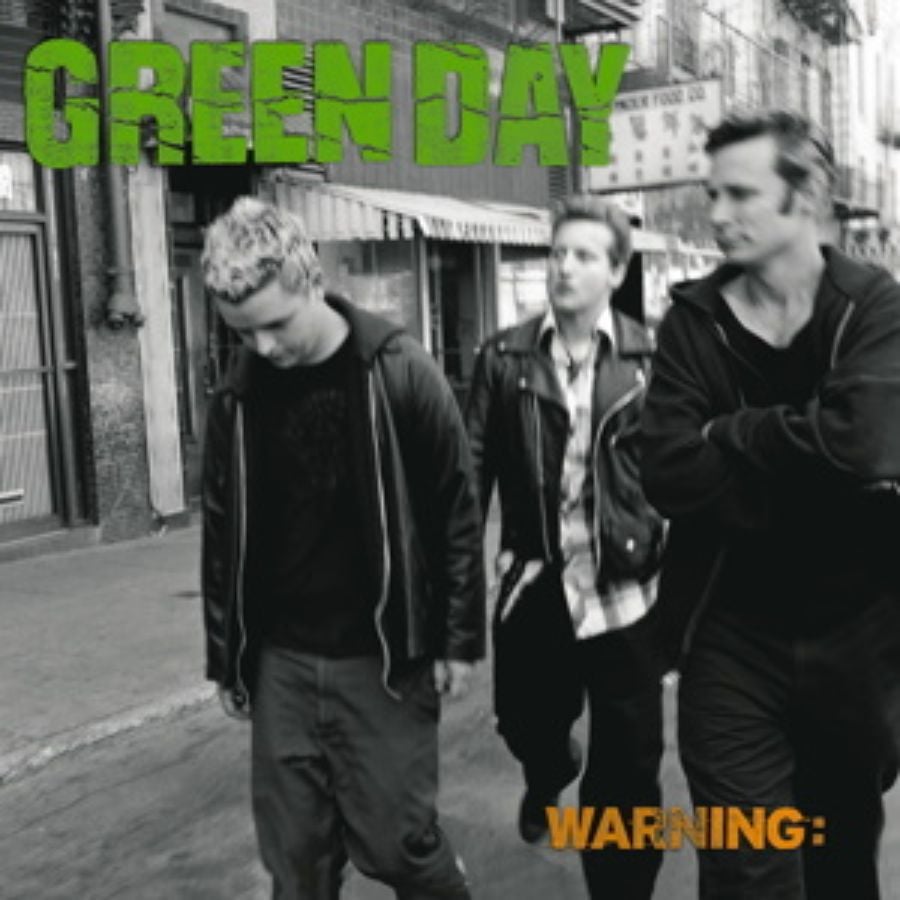
One of the cardinal sins in punk rock music is to make something commercial. Although Green Day may not have been trying to reach the same mainstream audience as grunge did in the late 1990s, their arrival with Dookie sent the movement into the stratosphere, with songs like ‘Longview’ being known by punks and suburban kids alike. While the band were branded as sell-outs by their fans for a while, Warning was the first time they had the critical back turned on them.
Looking to go against their typical sound, Billie Joe Armstrong began writing songs dominated by acoustic guitar. Leaning into his love of classic rock, Armstrong would be criticised for turning the band into a serious outfit, with many critics not liking the drastic shift between songs about alienation and loneliness next to the same songs that dealt with teenage romance and masturbation jokes.
Those critics soon learned that Green Day hadn’t even begun to impress them, creating a bold step forward with the rock opera American Idiot and winning back their original audience. Green Day may not have looked like the same band as they did in their 20s, but going in the opposite direction of what fans and critics expected was probably the most punk thing they could have done.
‘Black Sabbath’ – Black Sabbath
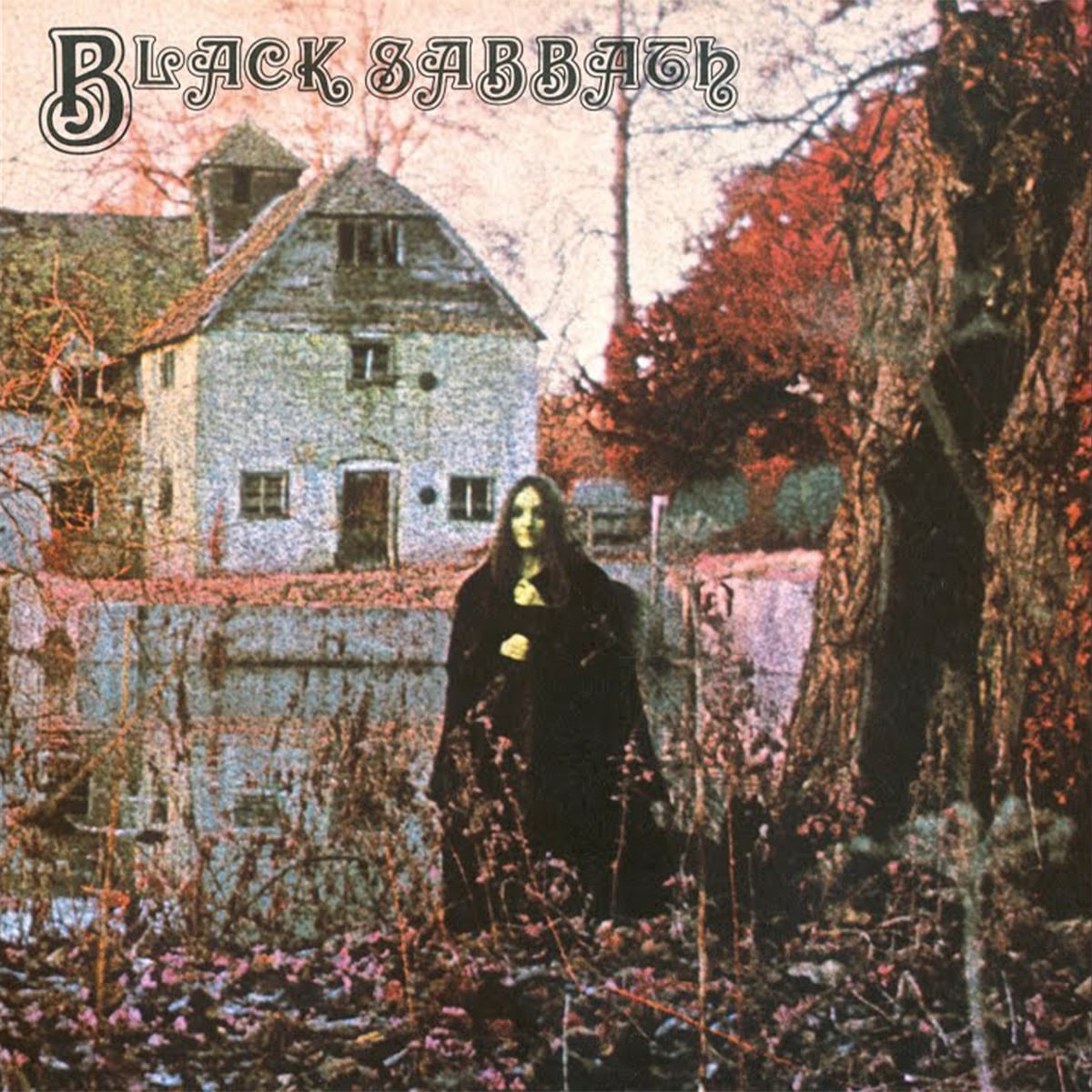
In the early 1970s, heavy metal wasn’t part of the cultural lexicon just yet. As far as rock and roll was concerned, hard rock was the heaviest that anything got, with acts like Led Zeppelin paving the way for what the heavier side of the genre could be. Although Tony Iommi may have single-handedly reshaped the rock world with Black Sabbath, critics were perplexed and angry upon first listen.
Seeing how the band indulged in different blues aesthetics, most of the critical elite thought that Sabbath was nothing more than cheap knockoffs of acts like Cream, with Iommi trying his best to sound like a makeshift version of Eric Clapton. While a few blues-infused tracks may have been sprinkled throughout the mix, Sabbath were on the cusp of the future of rock on their debut.
With the shrill sounds of Ozzy Osbourne’s vocals, Sabbath created the first metal masterpiece that could still bring a chill up one’s spine years after its release. The band may not have sounded up to hard rock standards, but that was because they were slowly reinventing what the term hard rock was supposed to mean.
‘The Kick Inside’ – Kate Bush
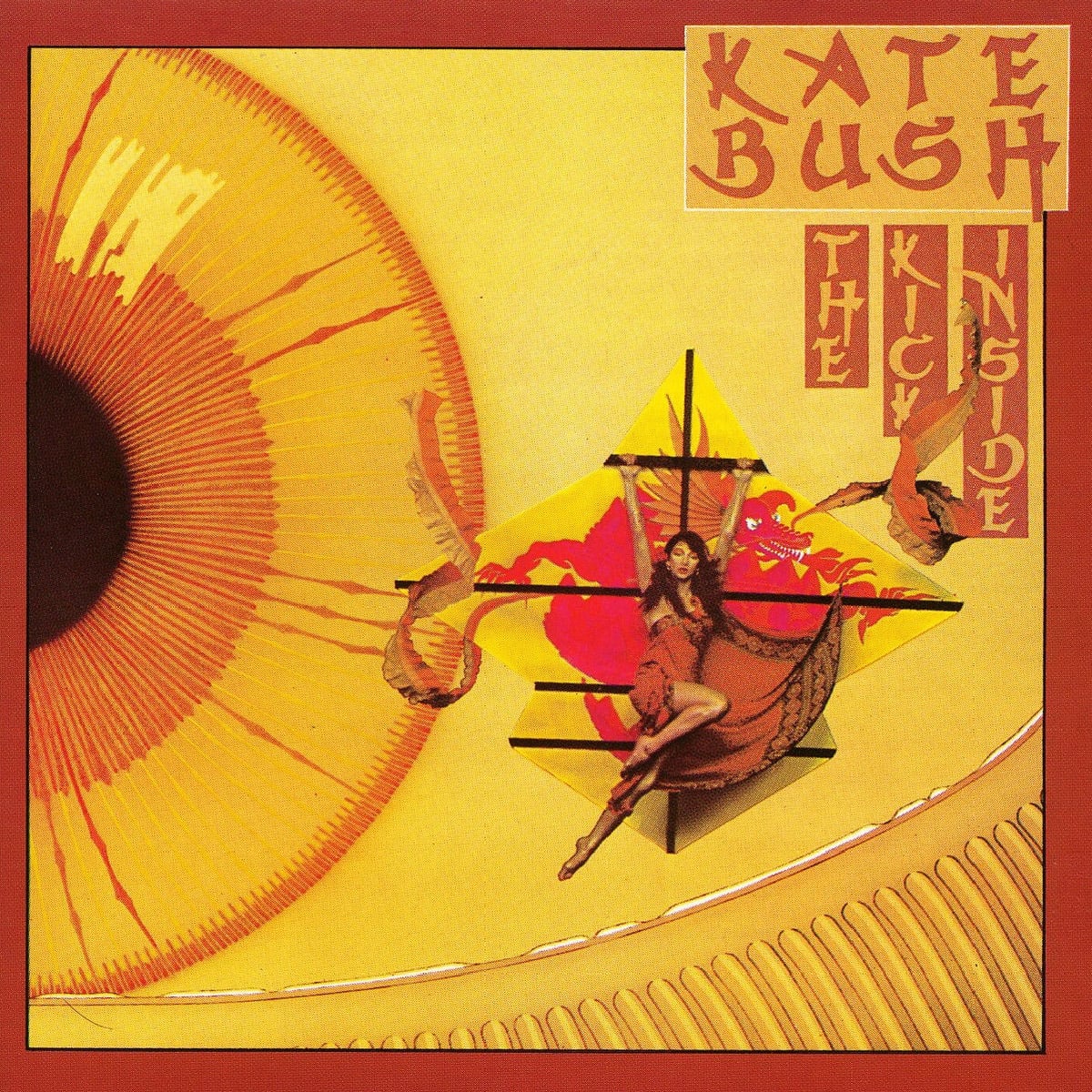
There aren’t many artists who have come up with a sound as singular as Kate Bush. Throughout every one of her projects, Bush’s signature brand of baroque pop has been on the cutting edge of musical innovation, taking the building blocks of traditional rock and roll and bringing a sense of refinement with the help of other industry giants. Upon first release, though, critics didn’t want anything to do with what Bush was all about.
Although songs like ‘Wuthering Heights’ would become staples of her catalogue later on, some critics were appalled by what they heard, thinking that Bush had taken all of the quirky idiosyncrasies of an artist like David Bowie but with none of the charm. While Bush no doubt had an affinity for Bowie in the early years, she was looking to create a different world in the listener’s mind with every song.
Much like Pink Floyd and Peter Gabriel had done around the same time, Bush’s need to break down the barriers of the traditional rock and roll aesthetic would lead to one great musical innovation after another, eventually peaking with the album Hounds of Love in the 1980s. Bush may have had the foresight of where music could be going, but no critic was going to get in the way of her making the most ambitious projects she could muster.
Every Rush album

One of the biggest stumbling blocks for critics can come with either heavy metal or progressive rock. The genesis of heavy music was always looked at as either alien or unnatural by the mainstream press, and the complex sounds of prog music weren’t the kind of music that appealed to those looking for the next major chart success. And if you were Rush and were lucky enough to have a foot in both camps, there was no limit to how many critics would flog you.
Coming up in the mid-1970s, every single project the band came out with got torn to shreds by the press. Whether it was dissecting their lyrics that were too esoteric or making bold claims about their political affiliation, Rush was put under scrutiny before most fans had even heard of them. That’s before they even got to Geddy Lee’s voice, which had been compared to everything from Mickey Mouse on helium to a deranged version of Robert Plant.
Then again, no amount of bad press was going to detract from the Rush army, quickly building a global fanbase of fans who only wanted to listen and didn’t care about what the likes of Rolling Stone had to say about their mass hangups. Rush never went along with what the cool kids wanted, but their ambition to go beyond the realm of traditional rock turned them into the world’s most popular cult band.
‘RAM’ – Paul McCartney
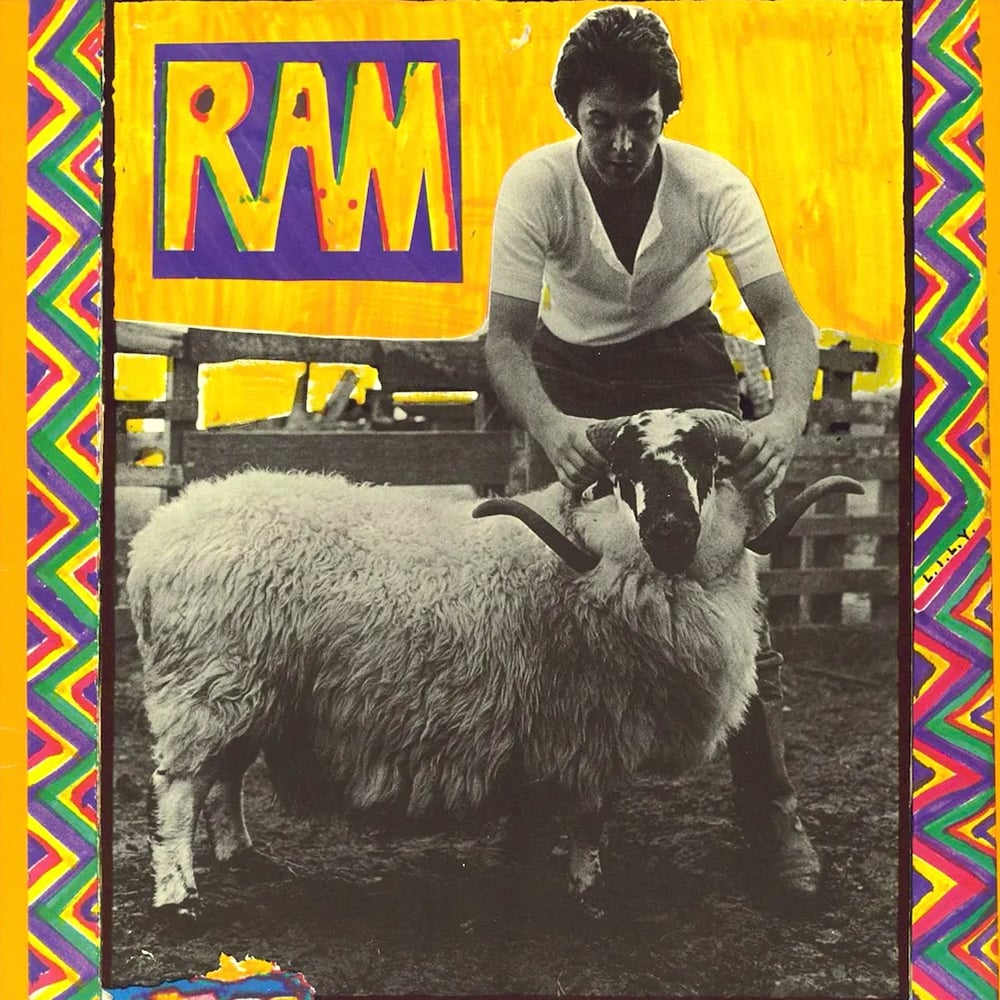
By the time The Beatles had broken up, Paul McCartney felt like his career was dead in the water. Having abandoned the only artistic family he had ever known, the next few months following the breakup saw him wallowing before his wife Linda talked him into getting back into music. Although the scattershot approach to his debut McCartney had some rough edges, critics weren’t happy with what Macca had in mind for the follow-up at all.
Taking a quirky approach to an operatic rock album, Paul and Linda created RAM as an expression of their life at the time, working with studio musicians to create a sound that was more homespun than the typical rock albums at the time. While critics thought that the album was a sign of McCartney losing his way, no one was more ruthless than his former Beatles, with Ringo Starr not liking the album as a whole and John Lennon despising ‘Too Many People’ so much he wrote the diss track ‘How Do You Sleep’.
Looking back on the album now, this would be one of the progenitors to indie music, taking the rudimentary elements of rock music and making something more authentic than any other former Beatle could have done at the time. While George Harrison was finding God and Lennon was working his way through therapy, RAM is the sound of McCartney finally finding happiness as a solo entity.
‘What’s The Story Morning Glory’ – Oasis
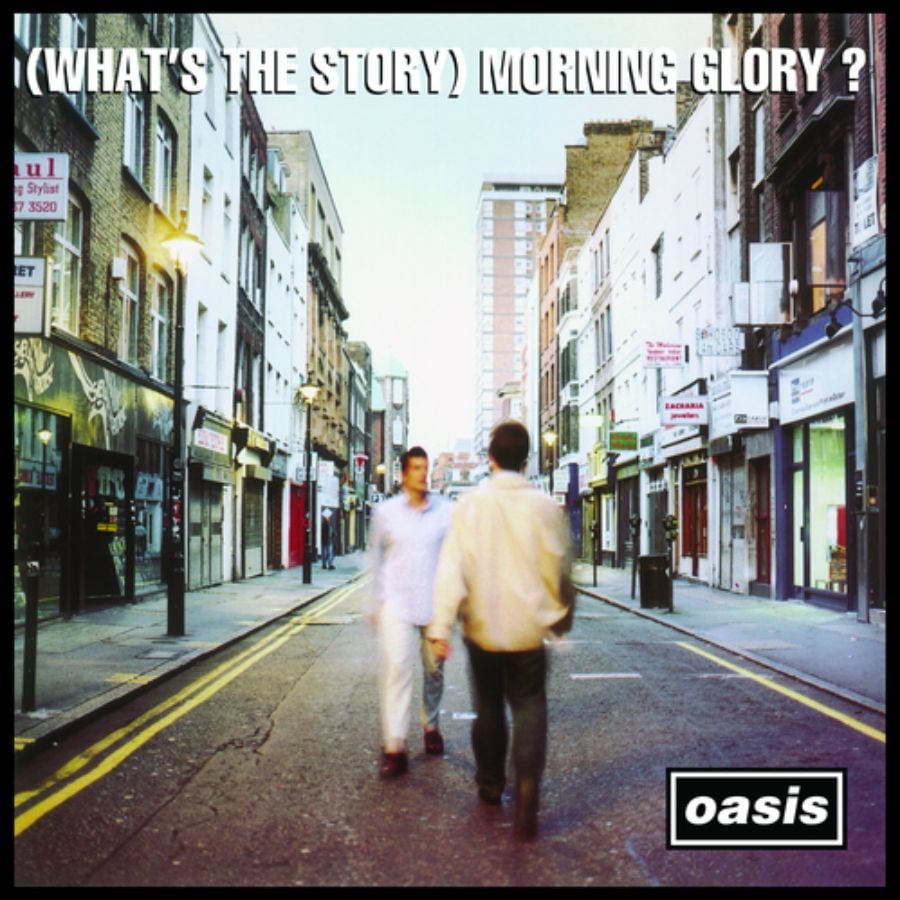
To be quick and clear about this entry, very few people in Britain hated this record, but things weren’t so easy across the Pond. At the end of grunge, the rock world needed something to make them feel happy again. Although people may have still been trying to make their attempts at alternative rock, the shadow of Kurt Cobain’s death loomed too large over the scene to ignore. While Oasis provided the perfect optimistic counterpart to grunge, critics were never all that fond of what Noel Gallagher thought up with his band of musical brothers.
Even though Definitely Maybe was treated fairly amongst critics at the time, What’s the Story Morning Glory had critics reacting like the band had squandered all their potential. With critics talking up the album like the downfall of the band, fans were quickly becoming enamoured with every track on the album, going on to turn songs like ‘Don’t Look Back in Anger’ into legendary anthems of the time.
Adding insult to injury, the critics felt bad for getting it wrong so much on this record that they overcorrected on the next album, showering Be Here Now with praise despite it going down as a low point for the band creatively. Despite their massive hold on the zeitgeist, the critical approach to Oasis in the early days was the epitome of taking potshots and asking questions later.
‘Led Zeppelin’ – Led Zeppelin
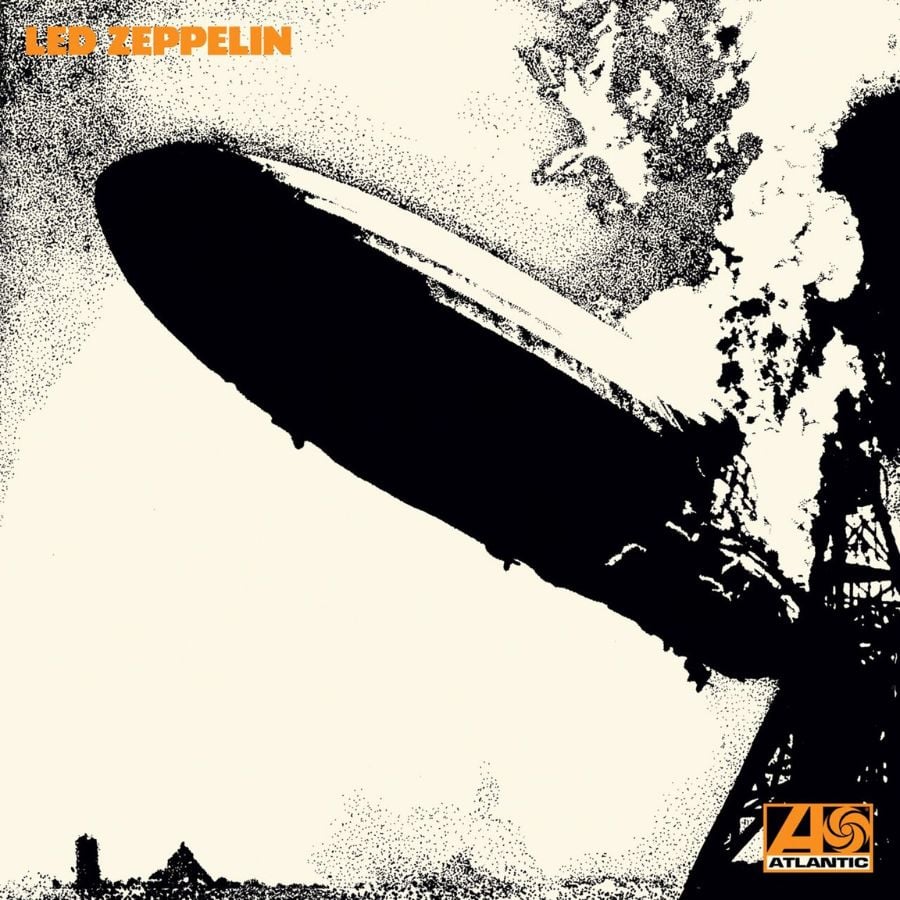
Towards the end of the ‘Summer of Love’, England started getting much nastier sonically. Right amid the British Blues Boom, artists like The Yardbirds were putting together some of the most feral-sounding rock and roll ever conceived, with Jimmy Page offering up one classic lick after another. Thinking that he was better suited in his outfit, though, Page would put together the beginnings of Led Zeppelin in the late 1960s, and the critics never forgave him.
From the first reviews of the band’s debut album, critics lined up to bash Page’s little experiment, thinking that the group only featured pedestrian guitar licks and less-than-favourable reviews of Robert Plant’s singing voice. The musical elite weren’t as thrilled either, with clips surfacing of George Harrison not giving the group the time of day when their debut was brought up to him.
As a form of payback, the band would eventually try to make moves counter to the mainstream, going so far as to call the bluff of their detractors by releasing their fourth outing without a proper name or major release. Although Zeppelin may have been able to copy different pieces of blues history and mould them into something different, what they created together as a unit would become one of the most celebrated bodies of work in rock history.
‘Highway 61 Revisited’ – Bob Dylan
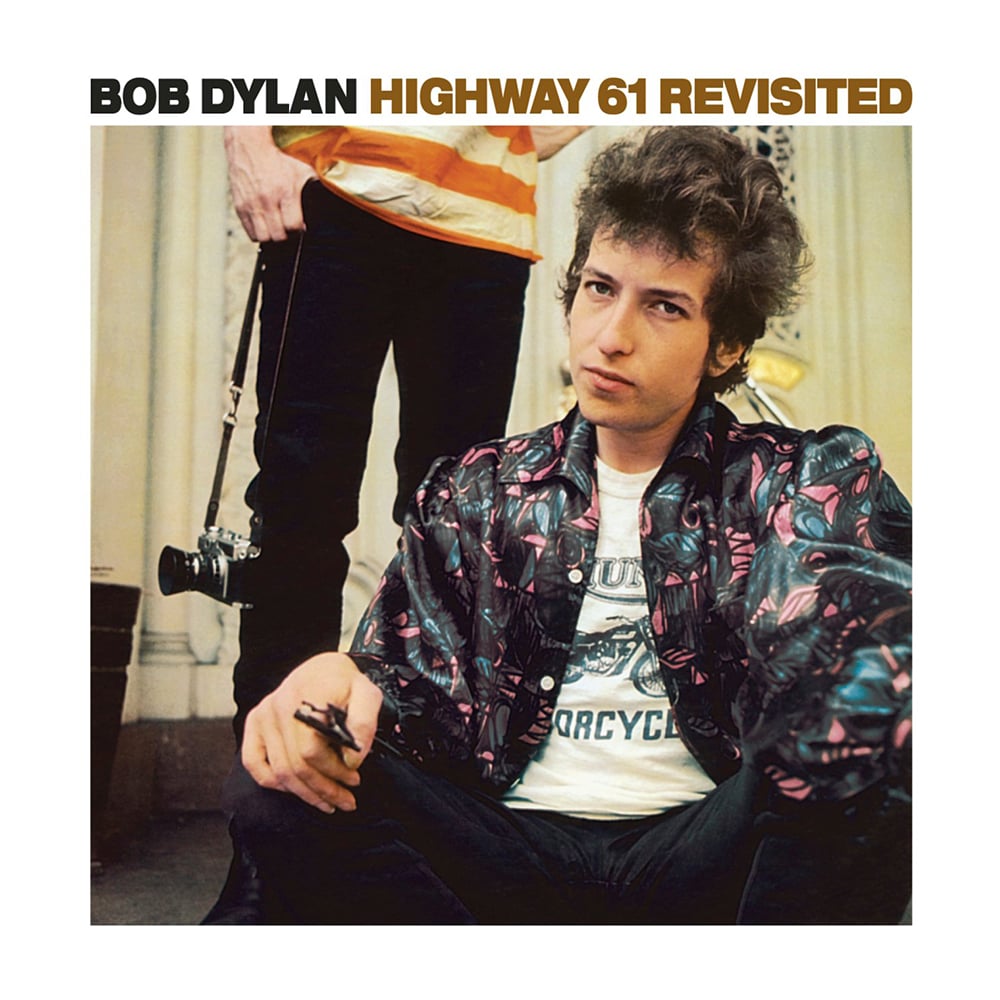
From the moment that he set foot on the stage, Bob Dylan was always bound to be picked apart by the critics. Never giving a straight answer in interviews and becoming hard to read by every music journalist, Dylan’s mystique became his greatest strength in the early years, with albums like The Freewheelin Bob Dylan striking a nerve with folk fans. Once Dylan decided to pick up an electric guitar, though, the original audience began to turn on him for the first time.
In the wake of his infamous electric gigs, fans were thinking that their favourite artist had decided to cower to the mainstream, with various fans talking about him prostituting himself for the rock crowd. Once the real fans listened to Highway 61 Revisited, they understood that Dylan wasn’t looking to wear rock and roll as some sort of elaborate costume.
For many rock songwriters that came afterwards, songs like ‘Like a Rolling Stone’ would become a foundational part of their musical DNA, with Dylan perfectly blending the rock and roll bombast with the intense subject matter that he was always used to playing in his folk days. Although folk-rock started off as a rebellion against the mainstream, Highway 61 Revisited was going against what he had just created and forged a new art form that no one would appreciate until months later.
‘The Velvet Underground & Nico’ – The Velvet Underground
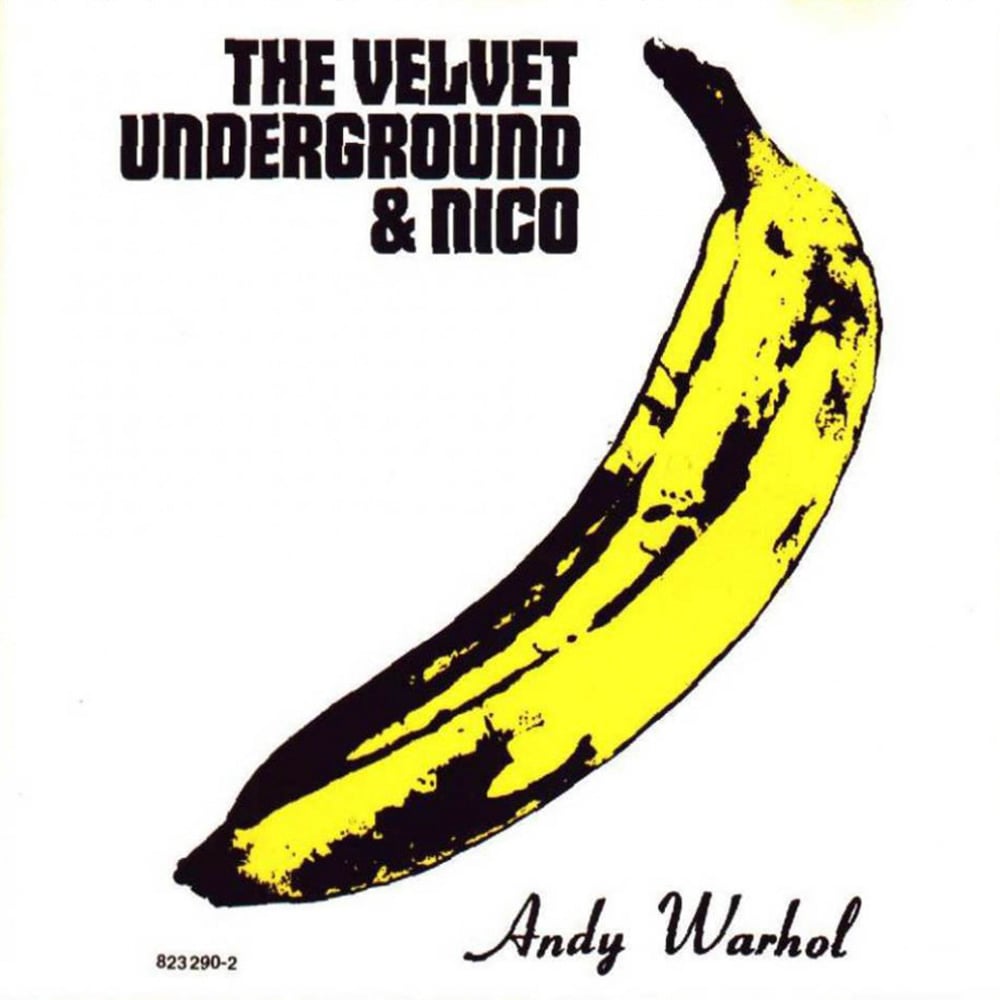
Rock and Roll has never been known as a clean genre. From the opening notes that Little Richard screamed into the microphone, artists have been making it a point to stray as far away from the mainstream as possible, taking the genre in a new direction whenever they see fit. There was a line for critics between rock and roll and noise, and The Velvet Underground crossed it more than a few times on their debut.
Organised by Andy Warhol, the poetic stylings of Lou Reed were unlike anything that fans had heard at the time, featuring graphic depictions of what life was like for the gutter rats of New York in songs like ‘I’m Waiting for the Man’. Although there was delicate beauty laced throughout the album, critics were quick to call the album completely unprofessional, slagging it off as one of the worst records of its time until the indie boom started happening.
With the beginnings of punk and indie music starting in the late 1970s, The Velvet Underground would be celebrated as one of the bravest acts to come out of the 1960s, finding fans in soon-to-be rock legends like David Bowie and Patti Smith. Reed was never looking to please a single critic with his work, but the benefit of hindsight turned the group’s debut from a limp attempt at rock into a stroke of genius.
