


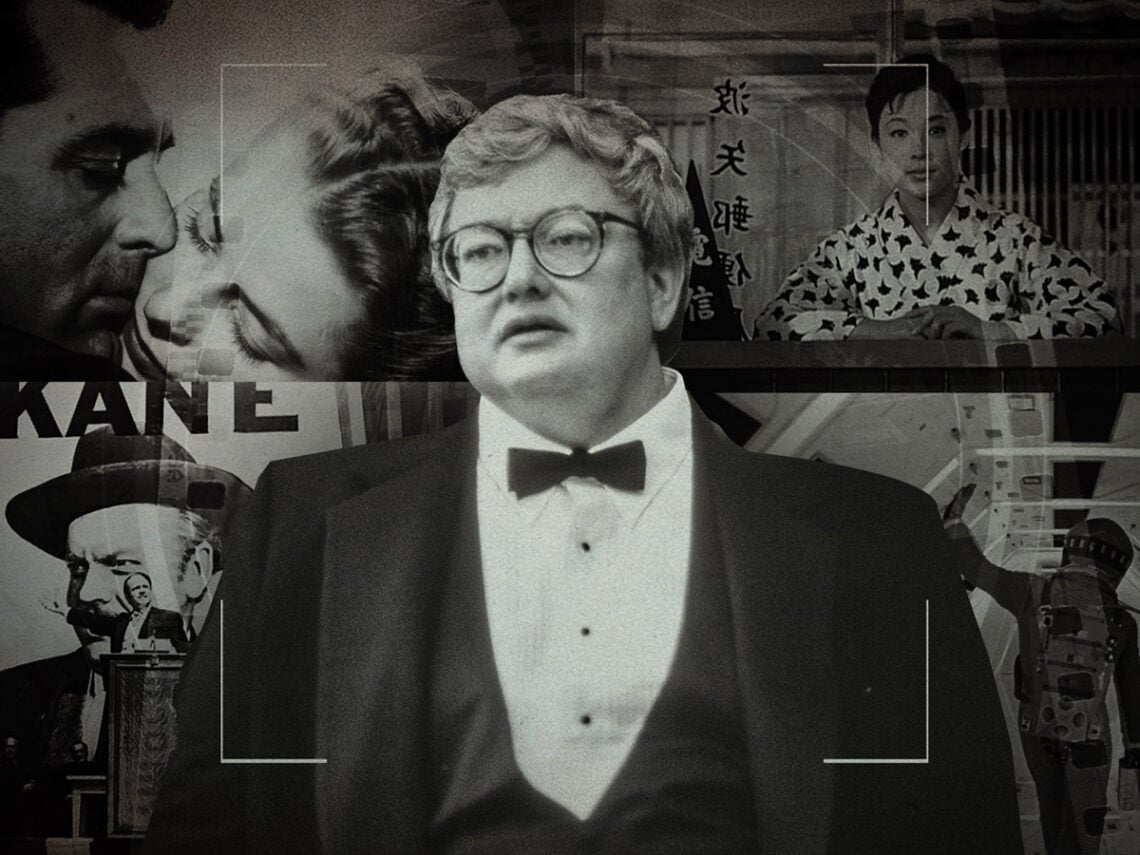
The 10 greatest movies ever made, according to Roger Ebert

We’ve all been in a situation where someone asks you to name a handful of your favourite movies, only for the title of every film in existence to mysteriously disappear from your head, so you can only imagine how Roger Ebert felt trying to decide the ten greatest motion pictures in cinema history.
After all, he reviewed thousands upon thousands of titles during a decades-long career that saw him become the industry’s single most prominent critic, and as someone who had an aversion to ranked lists anyway, it must have taken him a while to separate the filmic wheat from the chaff.
As he was keen to point out, though, this wasn’t Ebert pointing to ten films as the definitive all-time greats. Well, he technically was, but he set out his mission statement at the very beginning: “My first vow is to make the list for myself, not for anybody else,” he wrote, before Sergei Eisenstein’s Battleship Potemkin caught a stray: “A great film, but it’s not going on my list so I can impress people.”
Interestingly, of the ten movies Ebert submitted as his favourites in a Sight & Sound poll conducted the year before his death in 2012, he only considered four of them among the greatest ever made, so it’s not like you can accuse him of being biased.
The 10 greatest movies ever, according to Roger Ebert:
2001: A Space Odyssey (Stanley Kubrick, 1968)
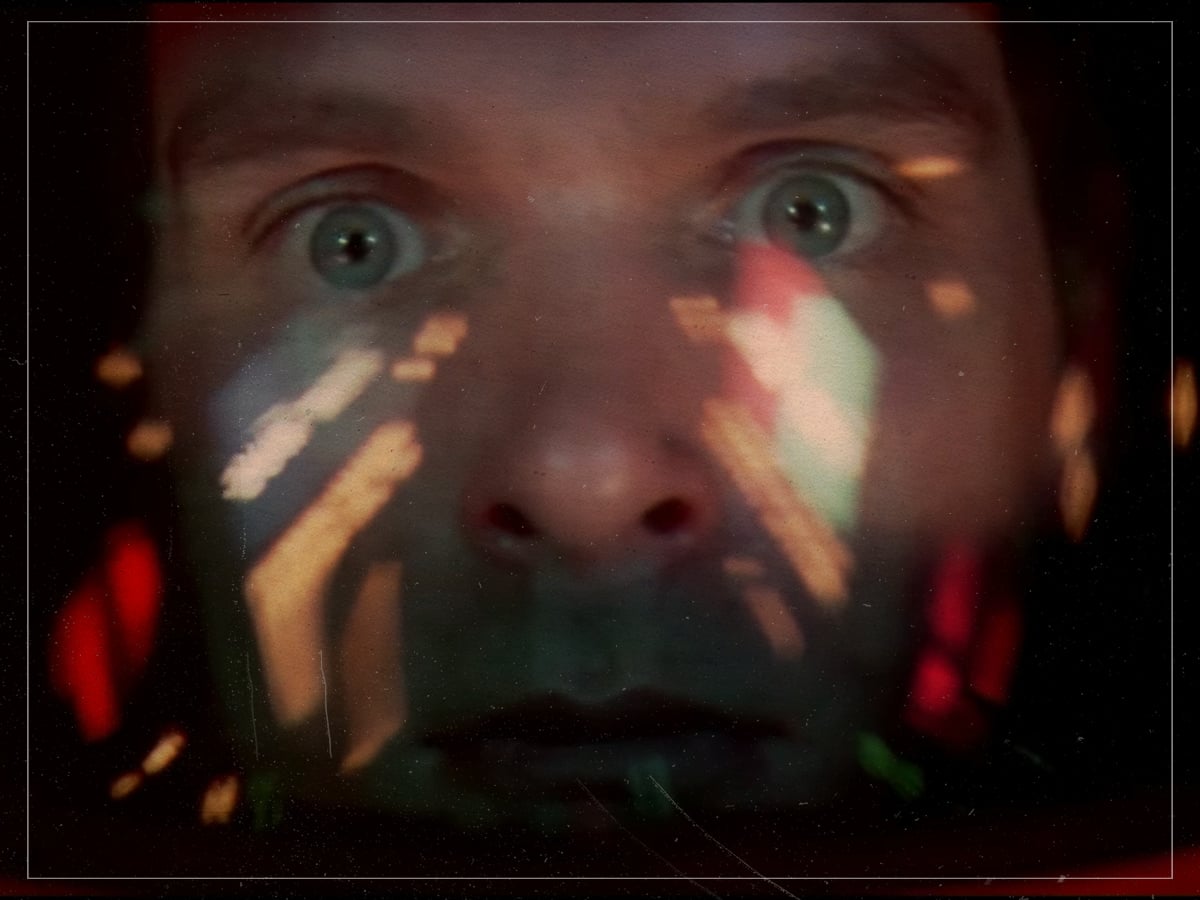
Can you really settle on the ten finest features ever committed to celluloid without including at least one from Stanley Kubrick? Ebert certainly didn’t think so, with 2001: A Space Odyssey making the cut.
Accurately surmised as “one of the great visionary experiences in cinema,” he acknowledged its groundbreaking special effects, but opted to focus on how the sci-fi masterpiece was “a landmark of non-narrative, poetic filmmaking,” first and foremost, where “the connections were made by images, not dialogue or plot.”
He didn’t even bother to try to offer his interpretation of 2001, instead suggesting that “the whole point of the film is that it is beyond meaning,” with Kubrick crafting something so striking and timeless that it’s more of a “spiritual experience” than a mere film.
28 Up (Michael Apted, 1984)
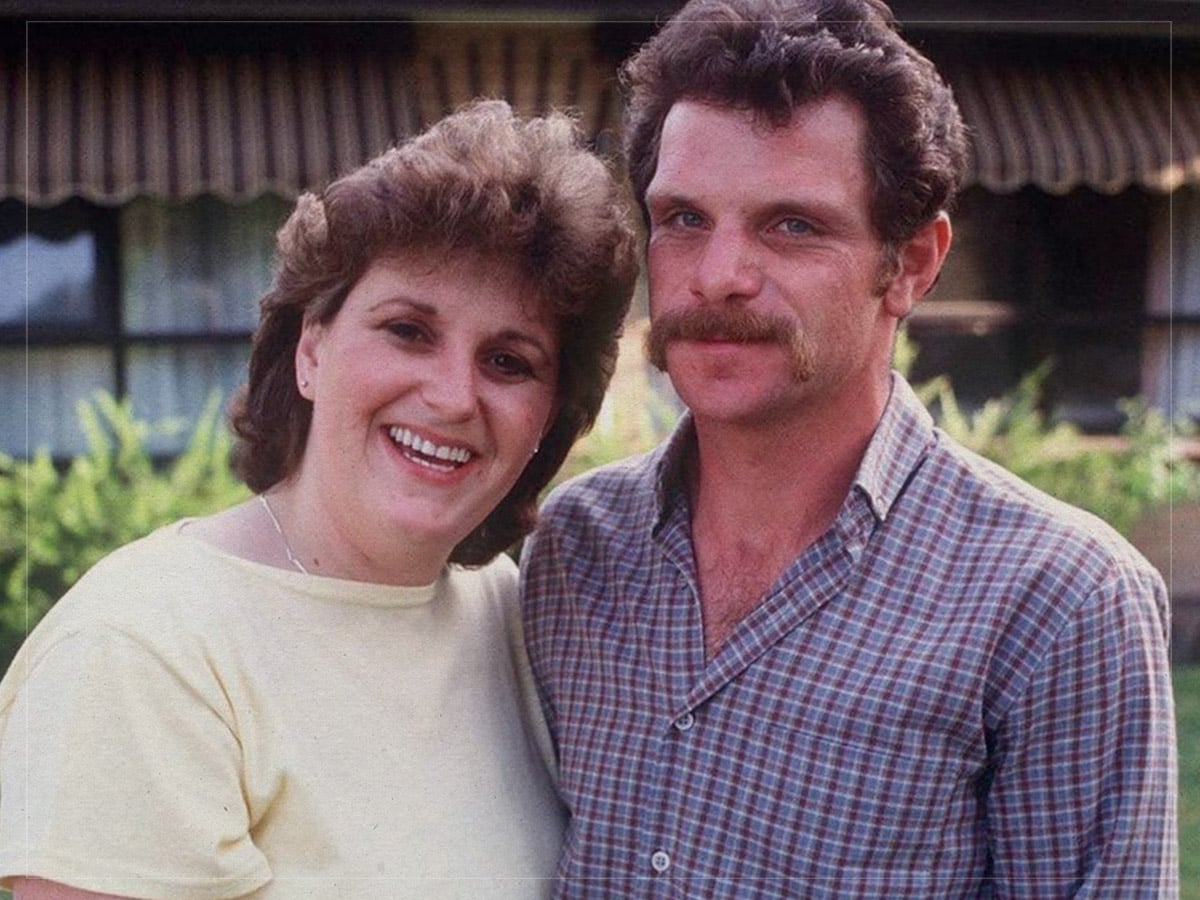
The fourth instalment in an ITV documentary series that hasn’t even finished airing yet may not strike anyone as one of the best movies of all time, but Ebert would strongly disagree.
He did acknowledge that Michael Apted’s 28 Up was “the least familiar title on my list,” albeit one that he “defied anyone to watch without fascination.” Get fucked, Christopher Nolan, because, according to Ebert, no movie has better bridged the divide between time and cinema.
“The miracle of the film is that it shows us that the seeds of the man are indeed in the child,” he offered in amazement, concluding that the Up saga “is an experiment unlike anything else in film history,” one that will finally draw to a close in 2026 after 62 years when 70 Up premieres.
The Third Man (Carol Reed, 1949)
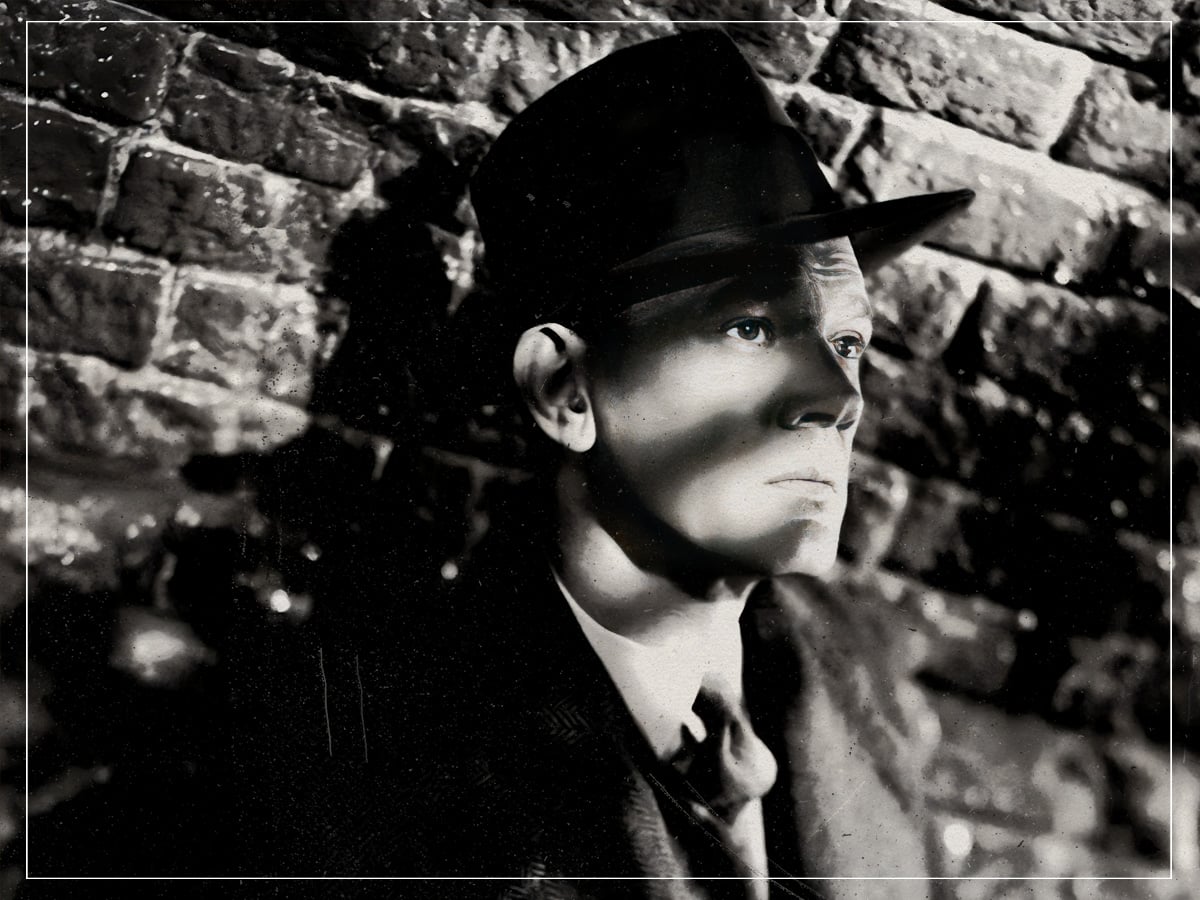
Arguably cinema’s finest-ever film noir, undoubtedly the most influential, and quite possibly the greatest British movie ever made, The Third Man has become accustomed to superlatives.
For Ebert, “This movie is on the altar of my love for cinema.” He saw it for the first time in a Parisian fleabag theatre, and found it to be “so sad, so beautiful, so romantic, that it became at once a part of my own memories, as if it had happened to me.”
Orson Welles gets one of the most iconic introductory scenes in cinema, wrapped up in an intense, nail-biting, and nerve-shredding tale of duplicity and espionage, with Ebert finding himself in a reflective mood, casting his longing gaze over the “infinite poignancy” of the picture.
Raging Bull (Martin Scorsese, 1980)

Feel free to disagree if you don’t think Raging Bull is even the best thing that Martin Scorsese has made in his career, but as far as Ebert was concerned, it was one of the ten best things that anyone had made, ever.
Along similar lines, then, he points to Robert De Niro’s towering performance as Jake LaMotta as “movie acting as good as any ever put on the screen,” singling out the living room scene as the pinnacle of what’s almost certainly the two-time Academy Award winner’s finest onscreen hour.
Before he’d seen Raging Bull, Ebert didn’t think Scorsese would be able to better Taxi Driver. He made 15 films after it while the critic was still alive, and not a single one of them came close.
Notorious (Alfred Hitchcock, 1946)
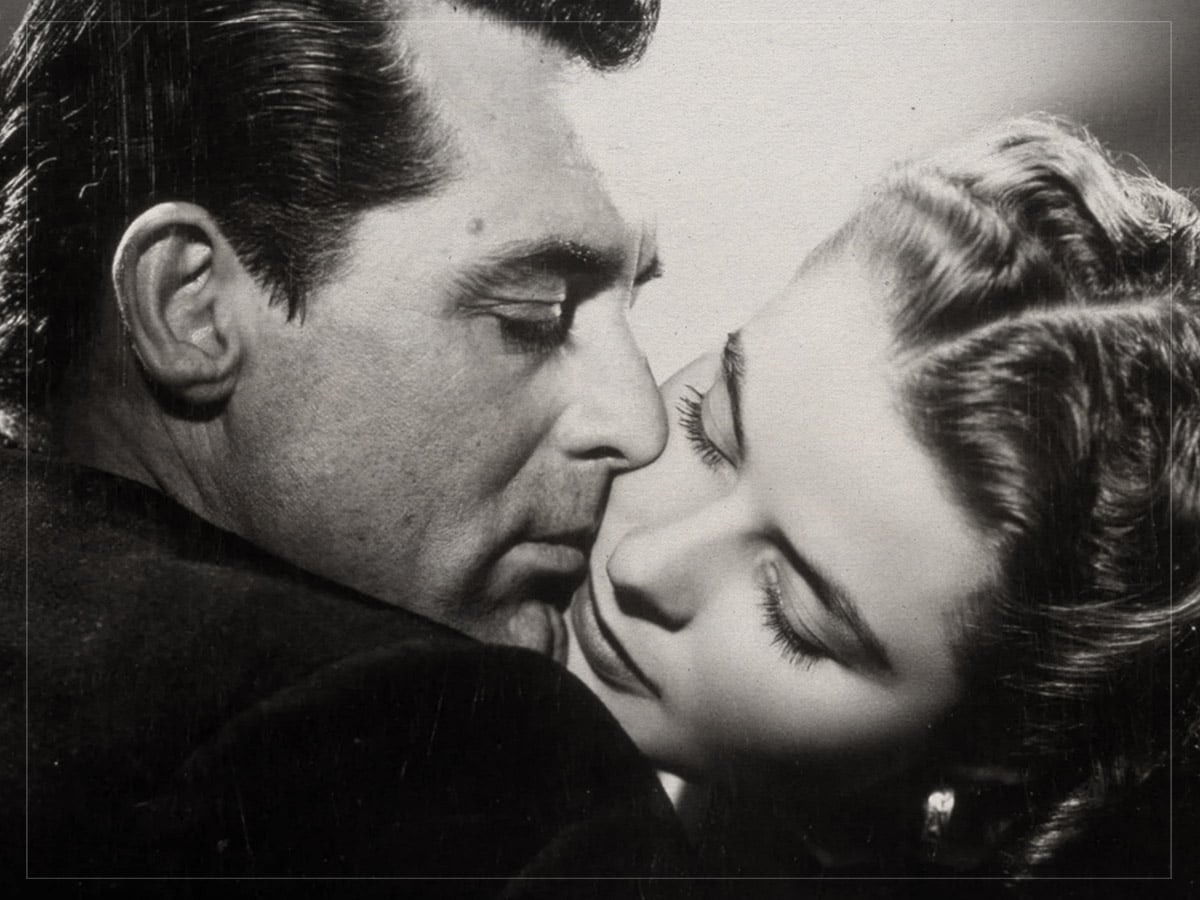
The way Ebert tells it, Alfred Hitchcock could be the most complete director the industry has ever seen, and there are a lot of people who’d agree with that sentiment, given the way his innovations were so widely adopted and embraced.
“He made movies that do not date, that fascinate and amuse, that everybody enjoys, and that shout out in every frame that they are by Hitchcock,” he celebrated. “In the world of film, he was known simply as ‘The Master.'” Clearly, he was a big fan, with no other auteur making pictures as “pure” as the ‘Master of Suspense’.
If he had to pick one, though, Notorious runs away with it, since he sums it up neatly as “my favourite Hitchcock.” It was a landmark moment for the filmmaker’s career, with the twisting, turning story and the trio of Cary Grant, Ingrid Bergman, and Claude Rains bringing him to new narrative and artistic heights, and Ebert was confident it was the director’s magnum opus.
La Dolce Vita (Federico Fellini, 1960)

Most cinephiles have suffered from falling out of love with a movie they used to adore, but the opposite was true for Ebert’s relationship with La Dolce Vita.
“Fellini’s 1960 film has grown passe in some circles, I’m afraid,” he intoned. “But I love it more than ever.” One of the most important films of its era, and one of the most influential ever made, La Dolce Vita didn’t appeal to him because of what it was about; it appealed to him because of what it is.
“Forget what made this film trendy and scandalous,” Ebert remarked. “Ask what it really says.” From his perspective, it was about love, desire, despair, miracles, forgiveness, and every other human emotion worth thinking about, all wrapped up in a timeless feast for the eyes.
Gates of Heaven (Errol Morris, 1978)
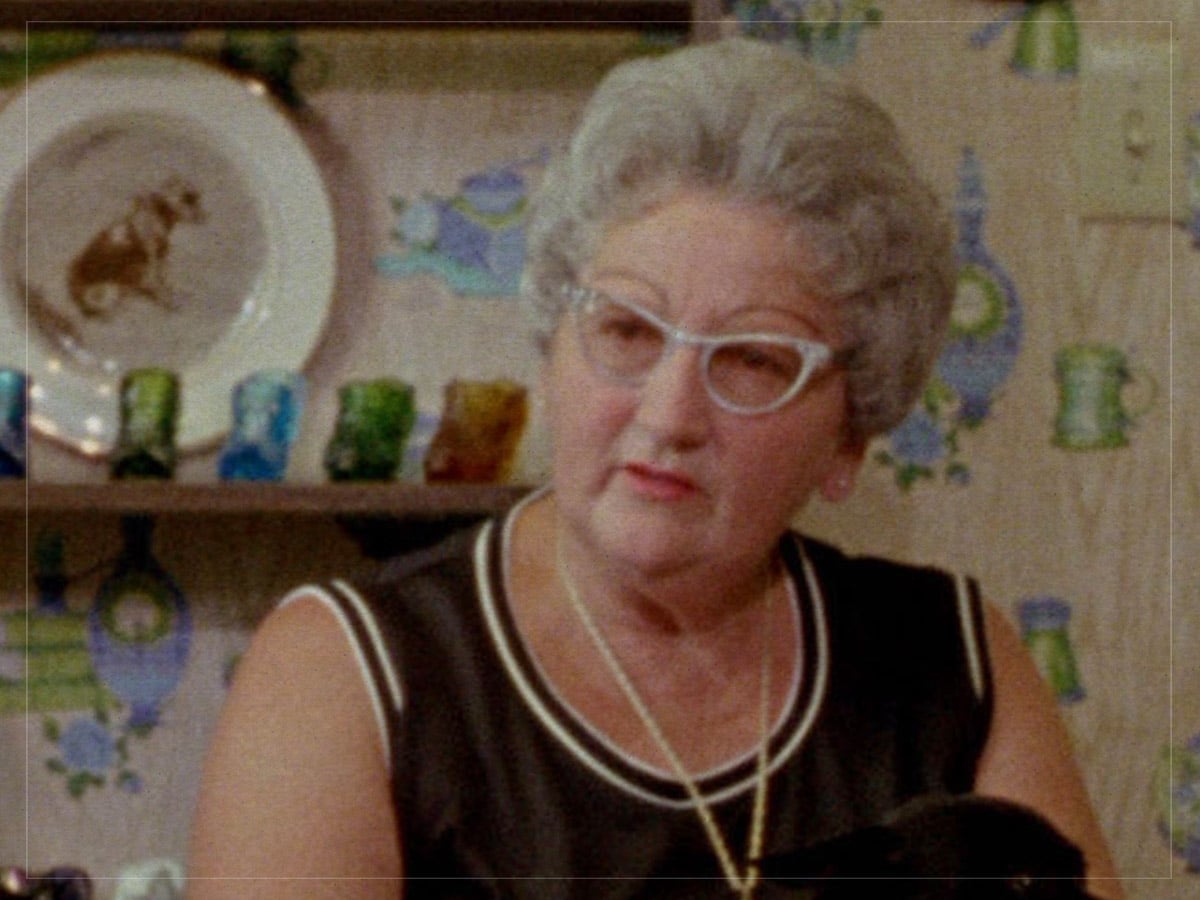
The second documentary to find a place among Ebert’s ten all-timers, Gates of Heaven might invoke thoughts of Stephen King if you know what it’s about, but this is a completely different kind of pet cemetery.
Errol Morris’ doc follows the ins and outs of those who work in the animal burial industry and the way in which their day job forces them to confront such weighty and existential quandaries as the meaning of life, the nature of mortality, and what happens to any of us when we die.
The people in this film really exist, and so does the pet cemetery,” Ebert marvelled. “But Morris is not concerned with his apparent subject. He has made a film about life and death, pride and shame, deception and betrayal, and the stubborn quirkiness of human nature.”
Floating Weeds (Yasujirō Ozu, 1959)
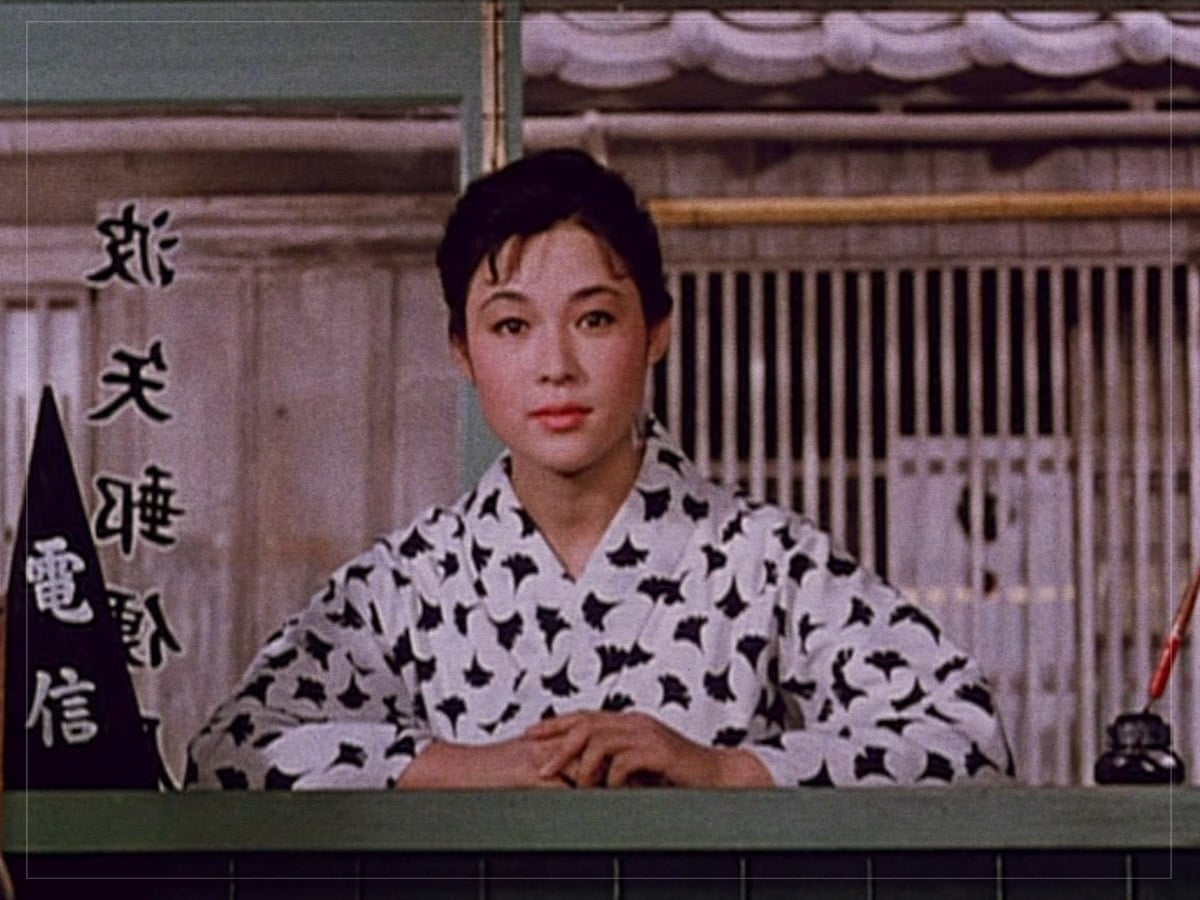
Despite being one of his country’s most legendary behind-the-camera figures, Ebert did not “expect many readers to have heard of this film, or of Yasujirō Ozu, who directed it,” but he wanted to give them a crash course anyway, citing Floating Weeds as the pinnacle.
“Ozu fashioned his style by himself, and never changed it, and to see his films is to be inside a completely alternative cinematic language,” he explained, with Floating Weeds and its “deceptively simple” story of an ageing actor’s trip to perform with his kabuki troupe and reconnect with his family containing untold layers.
“Ozu weaves an atmosphere of peaceful tranquillity, of music and processions and leisurely conversations, and then explodes his emotional secrets, which cause people to discover their true natures,” Ebert remarked, all of which is “done with hypnotic visual beauty,” making it Ozu’s standout work in his eyes, and one of the best movies ever made.
Citizen Kane (Orson Welles, 1941)

Much like you can’t have a list like this without at least one Kubrick, is it possible to have one without Orson Welles’ Citizen Kane hovering near the top? Evidently, Ebert thought not.
The critic not only branded it as his single favourite movie of all time, but it’s also the one he saw more than any other, estimating that he’d witnessed the rise, fall, life, and legacy of Charles Foster Kane at least 75 times, and probably a fair few more on top of that, too.
He was fully aware that Citizen Kane is “routinely named the best film of all time, almost by default, in list after list,” but with good reason: “Maybe it is. It’s some movie.” It’s been that way for over 80 years, and the reasons are clear, with Ebert pointing to how “few films are more complex, or show more breathtaking skill at moving from one level to another,” which Welles made look easy.
Casablanca (Michael Curtiz, 1942)
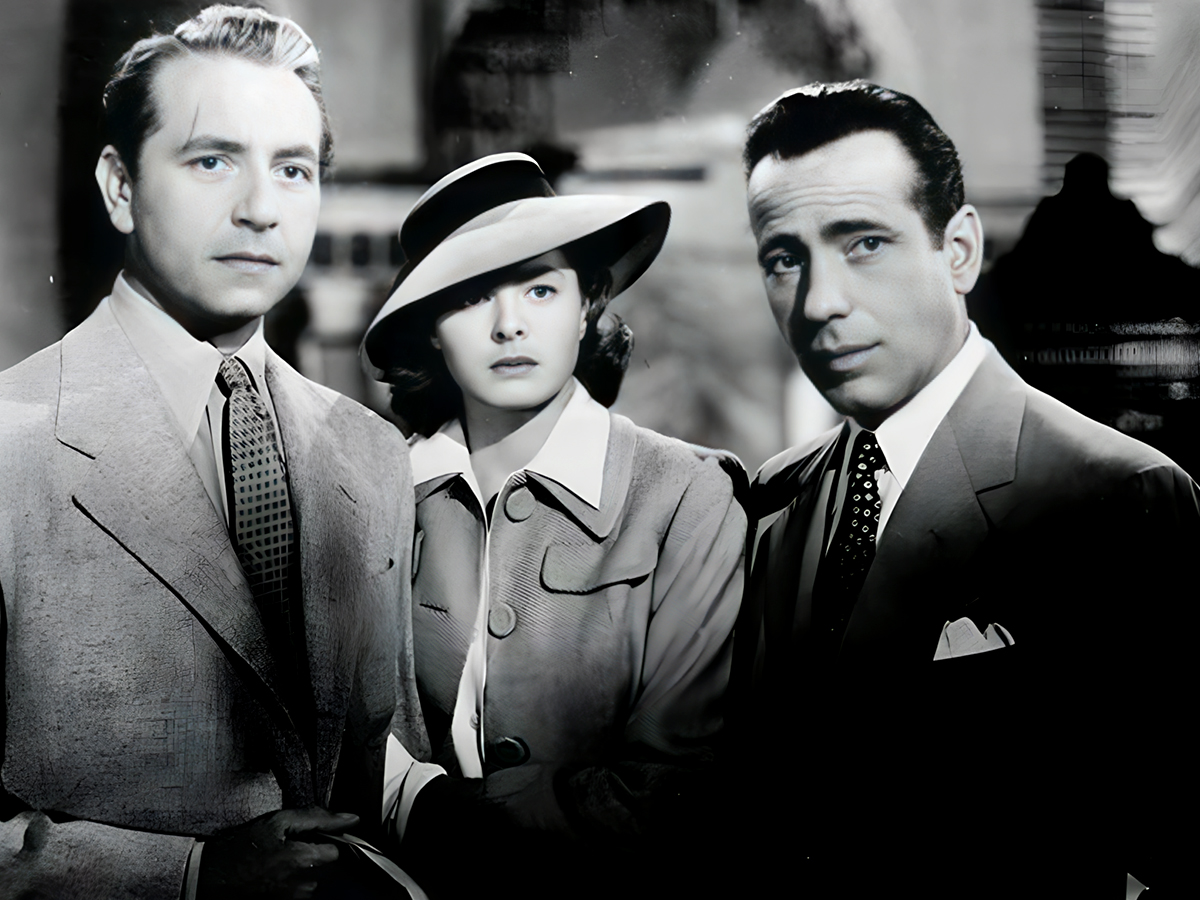
Citizen Kane may have been Ebert’s favourite movie of all time, but he wouldn’t call it the most definitive motion picture that’s ever been produced, an honour he was adamant belonged to Casablanca.
“If there is ever a time when they decide that some movies should be spelled with an upper-case ‘M’, Casablanca should be voted first on the list of ‘Movies,'” he declared. He saw it as a level above everything else, existing on a plane of its own that deserved special capitalisation.
Another one he’s seen plenty of times, it took Ebert a while to figure out why he loved it so much: “It’s not because of the romance, or the humour, or the intrigue, although those experiments are masterful,” he opined. “It’s because it makes me proud of the characters.” Parasocial relationships weren’t even a thing back in Ebert’s pomp, but he sure as shit had one with Casablanca.
