


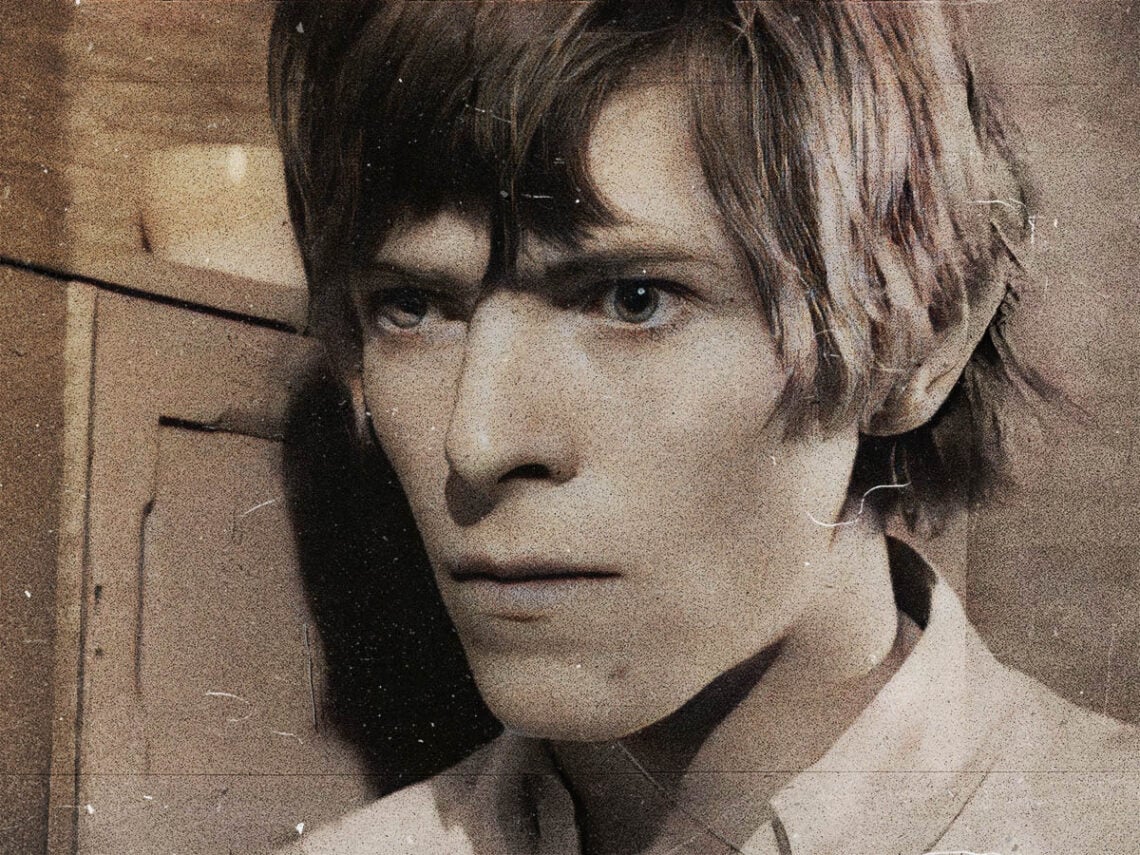
10 forgotten debut albums by legendary rock artists

Many of the greatest acts in the world feel so omnipresent that it can become easy to take them for granted. As much as mere mortals might like to gawk at how much some artists are on another planet than the rest of us, they’re still just normal people that happen to have extraordinary talent. Everyone has to start somewhere, though, and acts like Prince had a lot more going for them than they showed on their first outing.
Even though it’s hard to separate the artists in question from what they would eventually become, each of their debut records has a bit of a rough-and-tumble spirit behind them. Though there were a handful of songs that stood the test of time from these LPs, the albums are largely incomparable to the later work produced by the same acts.
From this starting point, every act either built on the streak they had or went in the exact opposite direction just a few albums later. With many using their debut as their foundation before stretching out their sound in experimental areas.
Granted, some of the records in question aren’t exactly spectacular but there is a subtle hint of the magic which later laced their work. Additionally, it’s revealing to hear legendary artists when they were still a little wet behind the ears.
10 forgotten debut albums by legendary artists:
Rush – Rush
No one had heard anything like Rush when they came out. Prog-rock had existed for years before the Canadian trio made it big, but Neil Peart’s amazing drum fills and lyrics about the great unknown were more cerebral than the psychedelic sounds of Pink Floyd or the fantasy worlds of Genesis. However, there was a time before Peart joined the band, and Rush’s debut is miles away from their later signature sound.
Though this is still a solid collection of songs, Alex Lifeson and Geddy Lee are wearing their influences on their sleeve, especially Led Zeppelin. Half of the riffs sound like leftovers from a forgotten Zeppelin project, along with Lee attempting to be a high-end version of Robert Plant. Though there are some moments to enjoy, such as ‘Working Man’ and ‘Here Again’, most of them are the kind of bluesy jams that are expected from the glory days of hard rock.
Although John Rutsey is definitely a decent drummer for this record, change was in the air from the start, with Lee and Lifeson pushing their music in a prog-rock direction while Rutsey wanted them to remain a more straight-ahead rock band in the vein of Bad Company. Though ‘Working Man’ remained a staple of their live set until the end of their days, this baby version of Rush had a lot of growing up to do.
Rocka Rolla – Judas Priest
When metal was finding its sea legs, Judas Priest were one of the first people to claim the title. Black Sabbath may have called themselves a hard rock act, but Priest turned the whole aesthetic into a look, with Rob Halford turning himself into one of the greatest metal frontmen of all time. At the beginning stages, however, Priest’s sound was more flower power than hell-bent on leather.
Though the guitars definitely crunch on Rocka Rolla, most of the album tends to feel like a relic from the early 1970s, not having the chemistry of KK Downing and Glenn Tipton just yet and sounding like a standard bluesy romp. Most of the faults of this album aren’t really from the band, though, since original singer Al Atkins had a hand in writing most of the songs before leaving Halford to front Priest instead.
Granted, Halford is trying to infuse anything edgy into the tunes where he can, but there’s only so much that can be done when working with material like this. Priest already had the talent to pull something like this off, but there’s also probably a separate universe where this is the direction that metal eventually took.
Empty Sky – Elton John
The best partnerships always seemed destined to work with each other. If not for John Lennon and Paul McCartney meeting at an impromptu gig or David Gilmour replacing Syd Barrett in Pink Floyd, the entire musical landcscape would look very different. Elton John and Bernie Taupin are no different, but they were yet to discover their chemistry on Empty Sky.
Prior to blowing up with massive hits including ‘Tiny Dancer’, this is a quasi-psychedelic experience that John offers up here, as he interprets Taupin’s unique stories with flower power flourishes. While it’s easy to pick up influences from acts like The Rolling Stones and The Beatles, John is carefully chipping away at his own sound, blending his classical practice with the sweeter sounds of Motown and classic rock and roll.
If this was the testing ground, then his next single, ‘Your Song,’ was the rocket ship that finally took them to the top. Coming from the original acid-soaked head-trip, John refined his sound to make a baroque style of rock and roll, giving a more refined taste to those who thought they were more sophisticated than acts like The Doors.
On Through the Night – Def Leppard
There has always been a bit of question as to whether Def Leppard belongs in the conversation of heavy metal. They may have had a lot of success in the hair metal era of music and had loads of crunchy guitars, but their songs always tended to lean more towards pop. Before the layers of harmonies came in, Leppard were actually one of Britain’s heaviest metal groups.
Around the time acts like Iron Maiden and Diamond Head were cutting their teeth on the scene, Leppard were in the trenches as well on On Through the Night, made when some of the members were still in their teens. For an act their age, they have a firm grasp of what they want to do, with songs that are trying their best to copy off of the likes of Led Zeppelin. There was definitely a pop sheen on songs like ‘Hello America’ with its synth break, but there’s also a bit of a bluesy streak going on in like ‘Wasted’ and ‘Sorrow is a Woman’, which bring in a lot more punch than something like ‘Photograph’.
This is also before Phil Collen brought his finesse to the group, giving Steve Clark a lot more time to show off and laying down what might be his best guitar solo on the song ‘Wasted’. Without a doubt, this teenage version of Def Leppard could already demolish any venue they touched.
It – Pulp
Pulp never claimed to put on heirs to please their fans, and their debut album It is about as naked as they come. Before any of their Britpop counterparts began making waves in the scene, this album is a mellow piece of folk-tinged rock music, almost like frontman Jarvis Cocker is trying on a Bob Dylan impression halfway through the songs.
Although ‘My Lighthouse’ may have been novel in the age of Madonna and Def Leppard, the album remained in limbo for years at the record company until the band soldiered on with the album Freaks four years later, and mainstream acclaim was still over a decade away.
By the time they had regrouped, the music scene had started to undergo a change, with acts like The Stone Roses and The La’s laying the groundwork for Britpop. Pulp would go on to ride the wave for as far as it would take them, but in terms of commercial success, Cocker got his start in the scene almost a decade too early.
Red Hot Chili Peppers – Red Hot Chili Peppers
The entire appeal of the Red Hot Chili Peppers is their ability to lay down a funky vibe which combines with melodies that keep fans humming along as they’re grooving. However, long before John Frusciante or even Hillel Slovak was in the fold, the Peppers were much more of a hip-hop act.
Even though the group’s first record has some good songs on it, fans are hearing the worst versions of them on here. Since producer Andy Gill didn’t really get the appeal of what they were going for, what’s left is a Peppers album that’s trying to sound like Gang of Four, which makes for a real tonal clash when hearing the screeching guitars on ‘True Men Don’t Kill Coyotes’. The chemistry is there, and it’s easy to tell Anthony Kiedis isn’t 100% confident in his voice, preferring to either scat-sing or rap instead of actually carrying a melody, which makes covers of Hank Williams songs like ‘Why Don’t You Love Me’ incredibly strange to hear back.
Since the Peppers started off as a joke act that the guys would noodle around with, this is the kind of novelty record that version of them would have made. These are the same guys that would go on to change the world of rock, but they had more mistakes to make, drugs to take, and lessons to learn before they wrote something like ‘Under the Bridge’.
39/Smooth – Green Day
The genesis of pop punk can be traced back directly to Green Day’s Dookie. While acts like the Ramones had their more pop-tinged side, the blend of Billie Joe Armstrong’s melodies with a punk-rock attitude turned the entire genre on its head, sparking new acts like Sum 41 and Blink 182, who wanted to make something similar. Since pop-punk didn’t exist yet in the late ‘80s, 39/Smooth was what the genre getting born sounded like.
Then again, Green Day was not really equipped to make its masterpiece at this stage. Looking to make something more in line with underground punk, what they offer on 39/Smooth is a bunch of good songs that have trashy mastering behind them. There are definitely some classics on here like ‘At the Library’ and ‘I Was There’, but there are also some muffled parts that should have been edited out, like the psychedelic touches on ‘Rest’ or the sloppy drum rolls of original drummer John Kiffmeyer, soon to be replaced by Tre Cool.
And while Armstrong does have a good knack for melody, some of the lyrics on this album need a bit of work, like the bizarre love triangle that’s happening on ‘The Judge’s Daughter’ or reaching the very top of his range to try to hit the high notes on ‘Road to Acceptance’. That bratty touch is still on here, though, and with a little polish, it was going to take over the world.
David Bowie – David Bowie
David Bowie always prided himself on being ahead of the curve. Throughout his career, the Thin White Duke’ always turned a blind eye to trends, looking to innovate his style and open up doors that the rock landscape had never gone down before. He felt like a musical alien that came down to Earth on ‘Space Oddity’, but that wasn’t his first offering.
Although Bowie didn’t regard this as his proper debut album, this is the first LP to have his name on it. Taking inspiration from vaudeville singers, a lot of this album feels like Bowie at some open mic trying out different things that work for him. Though songs like ‘Rubber Band’ have that sort of zany quality that Bowie would become known for later, most of it is incredibly disjointed and dated, sounding like something that should have been released in 1947 instead of 1967.
It didn’t take long for Bowie to find his own direction, being inspired by the innovations going on with The Beatles on Sgt. Pepper and the avant-garde scene to sculpt his new persona as a man who fell to earth and becomes the lovable alien that we know him as today. Bowie was never designed to stay in one genre forever, but it’s probably for the best that he grew out of this style after just one project.
Buckingham Nicks – Buckingham Nicks
For some fans, the real Fleetwood Mac only began the minute that Lindsey Buckingham and Stevie Nicks enter the equation. Even though Peter Green and Bob Welch did amazing things with the blues-tinged group in their early years, the songwriting power behind Buckingham and Nicks made for musical electricity across albums such as Rumours. However, before any of the stardom began, they were a pair of kids trying their hand at rock and roll for the first time.
Due to commercial failure, Buckingham Nicks wasn’t the group’s introduction to the world, but it didn’t come without hardship. Nicks has previously mentioned cleaning their producer’s house during off days and working meticulously with Buckingham to insert just the right amount of soul into their songs. Even though not many people were listening to the record, the right people were when Fleetwood Mac found themselves with no guitarist.
As Buckingham recalls, the song ‘Frozen Love’ from this album was what convinced Mick Fleetwood to ask him to join the band, after which Buckingham brought Nicks into the fold as well. The Mac may have hit the ground running with tunes like ‘Landslide’ and ‘Rhiannon’, but this is ground zero for what Buckingham and Nicks were always going for.
For You – Prince
With Prince, it felt like his best songs fell out of the sky. ‘The Purple One’ was always one of the most prolific artists of the ‘80s and would occasionally give some of his leftover work to other acts he was working with, like Morris Day and The Time or Sheila E. He always did save his best for himself, and For You was the first step of a man destined to become a pop rock giant.
The album was made when he was still in his teens, and For You contains a subtle taste of everything that Prince was working towards. Going from funk to rock to slow ballads, everything is in place for Prince’s future masterpieces like Purple Rain. Though there’s definitely a seductive edge to most of the tunes here, the ballad ‘Just As Long As We’re Together’ hits just as hard as any other Prince ballad, practically acting as a warm-up for tunes like ‘The Beautiful Ones’.
Even more impressively, Prince performed nearly every instrument himself, making some of the best funk that anyone had laid down with his unique sense of timing. The Revolution may have given his records a lot of punch, but the only way to properly be introduced to Prince is to strip away everything and let him speak for himself.
